The Ultimate Guide To Perfect Eggplant Stir Fry: Crispy, Saucy, And Irresistible
Have you ever craved that magical combination of crispy-tender eggplant coated in a deeply savory, glossy sauce, only to be let down by a soggy, oily, or flavorless version at home? You’re not alone. The eggplant stir fry is a deceptively simple dish that separates casual cooks from kitchen heroes. It’s a cornerstone of Chinese, Thai, and Japanese cuisine, beloved for its meaty texture and ability to soak up incredible flavors. But achieving that elusive restaurant-quality crispy eggplant stir fry without deep-frying, while keeping it healthy and quick, is the holy grail of weeknight cooking. This guide will dismantle every mystery, from selecting the perfect vegetable to mastering the wok hei, ensuring your next eggplant stir fry is nothing short of legendary.
Why Eggplant Stir Fry Deserves a Spot in Your Weekly Rotation
Before we dive into the nuts and bolts, let’s establish why this dish is more than just another vegetable side. Eggplant stir fry is a nutritional powerhouse, a flavor chameleon, and a weeknight warrior all in one.
The Mighty Eggplant: More Than Just a Purple Vegetable
Eggplant, or aubergine, is often underestimated. This glossy, purple-skinned vegetable is packed with anthocyanins, powerful antioxidants that give it its deep color and offer anti-inflammatory benefits. It’s also a good source of dietary fiber, which aids digestion, and nasunin, an antioxidant found primarily in the skin that’s been studied for its potential neuroprotective properties. With only about 20 calories per cup when cooked, it’s a fantastic low-calorie volume ingredient that makes meals feel substantial. In many Asian cultures, eggplant is revered not just for its taste but for its perceived health benefits, often featured in traditional medicinal cooking for its cooling properties.
The Universal Appeal of Stir-Frying
The stir-fry technique is one of the fastest, most efficient, and healthiest cooking methods. By cooking small, uniform pieces over very high heat with minimal oil, you sear in flavors and nutrients while achieving a delightful texture. This method preserves the vibrant color and crisp-tender bite of vegetables. For eggplant stir fry, this is crucial because it prevents the eggplant from becoming a mushy, oil-sponge disaster. The high heat creates a slight caramelization on the outside while keeping the inside creamy—a textural dream.
A Canvas for Global Flavors
What makes eggplant stir fry truly special is its versatility. It readily adopts the flavor profile of any cuisine you throw at it. Think garlicky and savory in a classic Chinese style, spicy and tangy in a Thai nam prik variation, or sweet and umami-rich in a Japanese miso glaze. This adaptability means one core technique can yield dozens of distinct, delicious meals, preventing dinner fatigue. It’s the ultimate flavor-absorbing vehicle, making it perfect for vegetarian and vegan cooking where it stands in for meat’s heartiness.
The Foundation: Selecting and Prepping Your Eggplant
Your journey to an impeccable eggplant stir fry begins long before the wok heats up. The choice and preparation of your eggplant are 50% of the battle.
Choosing the Right Eggplant for the Job
Not all eggplants are created equal. For stir-frying, you want an eggplant that is:
- Firm and Heavy: It should feel dense for its size, with taut, shiny, unblemished skin. Avoid any with soft spots, wrinkles, or tan streaks (a sign of age and bitterness).
- Young and Tender: Smaller to medium-sized eggplants (about 6-8 inches long) tend to have fewer seeds and thinner skin, making them less bitter and quicker to cook. The Japanese or Chinese eggplant varieties, often longer and thinner with a more delicate skin, are the gold standard for stir-fries. If you only find the larger, globe-shaped Italian eggplant, be sure to salt it generously (more on that soon).
- Fresh Stem: The cap (calyx) should be green and fresh-looking, not brown or dried out.
The Non-Negotiable Prep: Salting and Draining
This step is the single most important technique for preventing a soggy, bitter, and oily eggplant stir fry. Raw eggplant is like a sponge filled with bitter compounds and, more importantly, a ton of water and air pockets.
- Slice: Cut the eggplant into your desired shape—cubes, strips, or rounds. Uniform size ensures even cooking.
- Salt: Toss the pieces with 1-2 teaspoons of kosher salt in a colander. The salt draws out the bitter liquid and moisture through osmosis.
- Wait: Let it sit for 20-30 minutes. You’ll see beads of dark liquid pooling in the colander.
- Rinse and Dry: Rinse the eggplant thoroughly under cold water to remove the salt and bitterness. Then, pat it completely dry with a clean kitchen towel or paper towels. This is critical—any surface moisture will cause steaming instead of searing and cause dangerous oil splatters.
The Secret Weapon: Cornstarch Coating
After drying, toss the eggplant pieces in a light coating of cornstarch (about 1-2 tablespoons for a large eggplant). This dry layer does two brilliant things:
- It creates a micro-crisp shell when it hits the hot oil, helping the eggplant fry instead of steam.
- It acts as a barrier, reducing the amount of oil the eggplant absorbs.
- It helps the stir-fry sauce thicken and cling beautifully later.
Mastering the Wok: Technique and Timing
Now for the main event. The actual stir-fry process is a dance of heat, motion, and timing.
The Holy Trinity: Oil, Heat, and Your Wok
- Oil Choice: Use an oil with a high smoke point. Peanut oil is traditional and excellent. Avocado oil, refined avocado oil, or refined sesame oil are great modern alternatives. Avoid extra virgin olive oil.
- The Wok Hei (Breath of the Wok): This is the elusive, smoky, caramelized flavor of great stir-fry. It comes from extremely high heat. Get your wok or large, heavy-bottomed skillet smoking hot before adding oil. Swirl the oil to coat the surface—it should shimmer and possibly smoke slightly.
- Don’t Crowd the Pan: This is the cardinal rule. If you add too many eggplant pieces at once, the temperature of the wok plummets. They will steam in their own moisture, become soggy, and leak water into the oil. Work in 2-3 batches if necessary. It’s better to cook in batches than to have a single sad batch.
The Two-Stage Cooking Method for Perfect Texture
For the ultimate crispy exterior and creamy interior, we use a two-stage approach:
- First Fry (Crisping): Add a batch of cornstarch-coated eggplant to the smoking hot oil. Let it sit undisturbed for 30-60 seconds to form a crust, then stir-fry constantly until golden brown and crisp on the edges, about 2-3 minutes. It won’t be cooked through. Remove to a paper towel-lined plate.
- Second Cook (Finishing): After all eggplant is crisped, reduce the heat to medium-high. Add your aromatics (garlic, ginger, chilies—see next section). Stir-fry for 15-30 seconds until fragrant—do not burn! Then, return all the crispy eggplant to the wok. Add your sauce. Toss everything together vigorously. The residual heat will finish cooking the eggplant through while the sauce bubbles and thickens, coating every nook. This method guarantees textural perfection.
Building Layers of Flavor: Aromatics and Sauce Mastery
A great eggplant stir fry sauce is what elevates it from a side dish to a main event. It should be salty, sweet, sour, and umami in perfect balance.
The Flavor Base: Garlic, Ginger, and Beyond
These aromatics are the foundation. Finely mince or grate them for maximum flavor release.
- Garlic: 3-4 cloves, minced. Add it to the hot wok after the eggplant is removed. It cooks in seconds.
- Ginger: 1-inch knob, grated. Adds a warming, peppery note.
- Optional Power-Ups: Thinly sliced scallions (white parts first, green parts later), fresh red chilies (bird’s eye for serious heat), or a splash of Shaoxing wine (Chinese cooking wine) for depth.
The Ultimate Stir-Fry Sauce Formula
Forget pre-made sauces. Making your own is faster, healthier, and infinitely better. Here’s a master ratio for about 1 lb of eggplant:
- Soy Sauce: 2 tbsp (use low-sodium to control salt). The salty/umami base.
- Dark Soy Sauce: 1 tsp. For color and a richer, slightly sweet molasses note (optional but recommended).
- Sweetener: 1-2 tbsp hoisin sauce, oyster sauce, or a mix of honey/brown sugar + a dash of rice vinegar. Balances salt and adds gloss.
- Acid: 1 tbsp rice vinegar or lime juice. Brightens everything up.
- Umami Boost: 1 tsp toasted sesame oil (add at the end) or ½ tsp doubanjiang (fermented broad bean paste) for a spicy, complex depth.
- Thickener: 1 tsp cornstarch mixed with 1 tbsp cold water. This is added with the liquid sauces and thickens as it heats.
- Liquid: 2-3 tbsp water, stock, or coconut aminos.
Pro Tip: Whisk all sauce ingredients (except sesame oil) together in a small bowl before you start cooking. The stir-fry happens fast, and you won’t have time to measure.
Bringing It All Together
Once your aromatics are fragrant in the wok, pour in your pre-mixed sauce. It should bubble and thicken within 30 seconds. Immediately add your crispy eggplant and any other quick-cooking veggies (bell peppers, snap peas). Toss everything together for 60-90 seconds until the sauce is glossy and clinging to every piece. Finish with a drizzle of toasted sesame oil and a sprinkle of toasted sesame seeds or chopped scallions.
Common Questions & Troubleshooting
Q: My eggplant is still bitter even after salting. Why?
A: Some varieties are naturally more bitter. Ensure you rinsed thoroughly after salting. You can also soak the rinsed eggplant in a bowl of water with a splash of vinegar for 5 minutes before drying—this helps neutralize bitterness.
Q: How do I make a healthier, oil-free version?
A: You can "fry" the eggplant in a non-stick skillet with a tablespoon of oil or even roast it. Toss dried, cornstarch-coated pieces with 1 tsp oil and roast on a parchment-lined sheet at 425°F (220°C) for 20-25 mins, flipping halfway, until golden. Then proceed with the sauce.
Q: Can I use an air fryer?
A: Yes! Spray the cornstarch-coated pieces generously with oil. Air fry at 400°F (200°C) for 12-15 minutes, shaking the basket halfway. You’ll get a surprisingly good crisp. Then stir into the sauce.
Q: My sauce is too thick/thin. How do I fix it?
A: Too thick? Add a splash of water or stock. Too thin? Mix another ½ tsp cornstarch with 1 tbsp cold water and stir it in. Let it bubble for 30 seconds.
Q: What are the best protein additions?
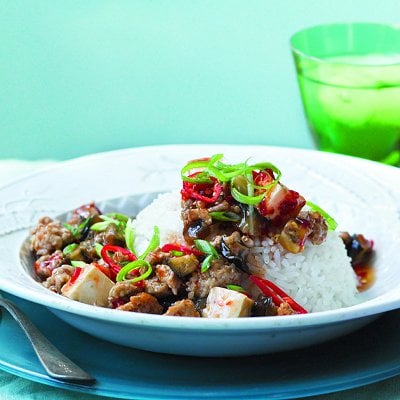
A: Ground pork or chicken are classic. Brown it first, remove, then cook eggplant and return it with the sauce. Tofu (pressed, cubed, and pan-fried) or shrimp (cooked in the last minute) are excellent vegetarian and pescatarian options.
Global Twists on a Classic: Beyond the Basic Recipe
Once you’ve mastered the basic technique, the world is your oyster.
Sichuan-Style Spicy Eggplant (Yuxiang Qiezi)
This is the iconic, deeply flavored version. The sauce base uses doubanjiang (fermented bean paste) and chili bean paste, along with garlic, ginger, and scallions. It’s pungent, spicy, and numbingly delicious (málà). The eggplant is often cut into long strips and fried until very crispy.
Thai Basil Eggplant (Pad Prik Khing)
A drier, herbaceous stir-fry. The sauce is simpler: soy sauce, fish sauce, a touch of sugar, and oyster sauce. The magic comes from stir-frying the eggplant with Thai green chilies and a huge handful of holy basil (or Thai basil) at the very end, which wilts and releases its anise-like aroma.
Japanese Miso Eggplant (Nasu Dengaku or Stir-Fry Style)
Sweet and savory. Use a sauce of white or red miso paste, mirin (sweet rice wine), sake, and a little sugar. For a stir-fry, you can add the miso mixture to the wok with the eggplant and a splash of water, letting it caramelize into a sticky glaze. Garnish with shiso leaves or sesame seeds.
Mediterranean-Inspired
Swap the Asian sauces for a tomato-based sauce with garlic, oregano, and a splash of red wine vinegar. Add capers and kalamata olives at the end. Serve over couscous or with a sprinkle of feta.
The Perfect Companion: What to Serve With Your Eggplant Stir Fry
A great eggplant stir fry is a complete meal in a bowl, but it shines alongside:
- Steamed Jasmine Rice: The absolute classic. The fluffy rice soaks up every last drop of sauce.
- Stir-Fried Greens: A simple side of bok choy, gai lan (Chinese broccoli), or spinach with garlic balances the meal.
- Noodles: Toss the stir-fry with soba, udon, or rice noodles for a hearty noodle bowl.
- Protein: As mentioned, it pairs beautifully with tofu, chicken, shrimp, or thinly sliced beef.
Conclusion: Your Journey to Stir-Fry Mastery Begins Now
The eggplant stir fry is more than a recipe; it’s a fundamental kitchen skill. It teaches you the power of preparation (salting and drying), the importance of high-heat technique (don’t crowd the pan), and the art of building layered flavor (the master sauce formula). By understanding the why behind each step—why we salt, why we use cornstarch, why we cook in batches—you move from blindly following a recipe to truly cooking. You gain the confidence to adapt, to swap in different vegetables, and to experiment with global flavor profiles.
So, the next time you see a beautiful, glossy eggplant at the market, don’t hesitate. Bring it home, salt it, dry it, and get your wok screaming hot. Follow the principles in this guide, and you will consistently produce an eggplant stir fry that is crispy, saucy, deeply flavorful, and utterly craveable. It will become your secret weapon for a spectacular, healthy, and fast meal any night of the week. Now, go seize the wok