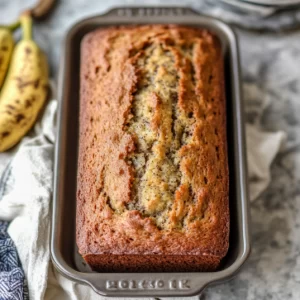
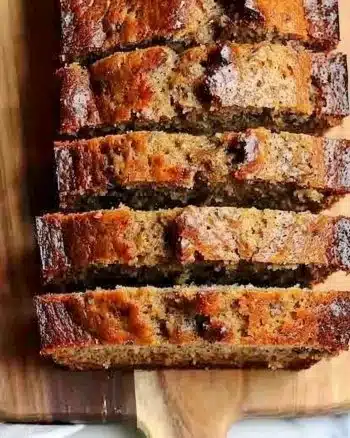
Banana Bread: The Ultimate Guide To Perfect Moist Loaves & Creative Variations
What if we told you that the secret to one of the world's most beloved baked goods lies in a bunch of speckled, seemingly past-their-prime bananas? Banana bread is more than just a recipe; it's a kitchen alchemy that transforms simple, humble ingredients into a loaf of pure comfort. It’s the answer to "what should I do with these overripe bananas?" and the solution to a craving for something sweet, moist, and deeply satisfying. Whether you're a novice baker or a seasoned pro, understanding the nuances of this quick bread can elevate your baking from good to unforgettable. This comprehensive guide will walk you through everything from its fascinating history to troubleshooting your densest loaf, ensuring your next batch is bakery-worthy.
A Slice of History: Where Did Banana Bread Come From?
The story of banana bread is a tale of resourcefulness and innovation, deeply intertwined with modern history. While bananas themselves have been consumed for millennia, the specific baked good we know today is a relatively recent invention. Its rise to fame is often credited to the economic pressures of the Great Depression in the 1930s. With households needing to stretch every ingredient, clever bakers sought ways to use overripe, sweet bananas and available pantry staples like flour, sugar, and baking soda. This necessity became the mother of invention, giving birth to a recipe that was both economical and delicious.
The popularity of banana bread was further cemented during World War II. Rationing made ingredients like butter and sugar scarce, but bananas remained relatively accessible. The recipe's simplicity—often requiring just one bowl and no yeast—made it a practical staple for families. The publication of baking soda and baking powder companies' recipes in the 1940s and 1950s helped standardize and popularize the modern version we bake today. From its humble, Depression-era beginnings, banana bread has evolved into a global phenomenon, a testament to the enduring power of a simple, brilliant idea.
The Science of Perfect Banana Bread: It's All in the Details
Before you even preheat the oven, understanding the why behind the ingredients is crucial. Perfect banana bread is a balance of chemistry and technique.
The Star Ingredient: Overripe Bananas
This is non-negotiable. Overripe bananas (those with dark brown or black skins) are essential for two reasons. First, the starches have fully converted to sugars, providing intense natural sweetness and flavor. Second, they are much softer and easier to mash, contributing significantly to the bread's signature moist texture. Using yellow or green bananas will result in a drier, less flavorful loaf. For the best results, plan ahead and let your bananas ripen on the counter for several days, or speed up the process by placing them in a brown paper bag with an apple.
The Fat Factor: Butter vs. Oil
The choice between butter and neutral oil (like vegetable or canola oil) dramatically affects the final product.
- Butter (creamed with sugar) incorporates air pockets, leading to a slightly lighter, more cake-like crumb. It also adds a rich, distinct flavor.
- Oil yields a uniformly moist and dense texture throughout the loaf, often staying soft for longer. It's also a great dairy-free option.
Many recipes combine both to get the best of both worlds: flavor from butter and moisture from oil.
The Leavening Agents: Baking Soda & Baking Powder
Baking soda is the primary leavener in most recipes. It reacts with the acidic mashed bananas (and sometimes added ingredients like buttermilk or brown sugar) to produce carbon dioxide gas, which makes the bread rise. Baking powder provides an extra boost and ensures rise even if the banana's acidity varies. Using too much can cause a bitter taste and excessive rise followed by a collapse; too little results in a dense, heavy brick. Precise measurement is key.
The Flour: All-Purpose is King
All-purpose flour provides the ideal structure. Its moderate protein content creates enough gluten to hold the bread together without making it tough. Some bakers substitute a portion with whole wheat flour for a heartier, nuttier flavor and added fiber, but this can make the loaf denser. For a lighter texture, stick primarily to all-purpose.
The Sweeteners: Sugar's Role
Granulated sugar sweetens, but it also tenderizes by interfering with gluten formation and retaining moisture. Brown sugar (light or dark) adds a lovely caramel/molasses note and extra moisture due to its inherent liquid content. Many classic recipes use a combination for balanced flavor and texture.
The Classic Banana Bread Recipe: A Step-by-Step Masterclass
Now, let's translate the science into a foolproof, moist banana bread recipe. This foundational version is your blank canvas for endless variations.
Ingredients for One 9x5-inch Loaf:
- 3/4 cup (170g) unsalted butter, softened (or 1/2 cup oil + 1/4 cup butter)
- 3/4 cup (150g) granulated sugar
- 1/2 cup (100g) packed light brown sugar
- 2 large eggs, room temperature
- 1 teaspoon vanilla extract
- 1 1/2 cups (340g) mashed very ripe bananas (about 3-4 medium bananas)
- 1 cup (120g) all-purpose flour
- 1 teaspoon baking soda
- 1/2 teaspoon baking powder
- 1/2 teaspoon salt
- 1/2 cup (120ml) buttermilk, sour cream, or plain yogurt (adds tenderness & tang)
- 1 cup (170g) chopped walnuts or pecans (optional)
- 1 cup (170g) chocolate chips (optional)
Method:
- Prep & Mash: Preheat oven to 350°F (175°C). Grease and flour a 9x5-inch loaf pan, or line it with parchment paper. In a large bowl, mash the bananas thoroughly with a fork or potato masher until mostly smooth with a few small lumps.
- Cream Butter & Sugars: In a separate bowl, using a hand mixer or stand mixer fitted with a paddle attachment, beat the softened butter, granulated sugar, and brown sugar together on medium-high speed until light, fluffy, and pale in color (about 3-4 minutes). This step incorporates air, which is crucial for a good rise.
- Incorporate Wet Ingredients: Add the eggs one at a time, beating well after each addition until fully combined. Scrape down the bowl. Beat in the vanilla extract. Gradually add the mashed bananas and mix on low until just combined.
- Combine Dry Ingredients: In a medium bowl, whisk together the flour, baking soda, baking powder, and salt. This ensures even distribution of the leaveners and prevents pockets of baking soda.
- Combine Wet & Dry: Add the dry ingredients to the wet mixture in three additions, alternating with the buttermilk (start and end with dry ingredients). Mix on low speed just until no flour streaks remain. Do not overmix. Overmixing develops gluten, leading to a tough, dense loaf. A few small lumps are perfectly fine.
- Fold-Ins: Using a spatula, gently fold in any optional add-ins like nuts or chocolate chips.
- Bake: Pour the batter into the prepared loaf pan, smoothing the top with a spatula. Bake for 55-65 minutes, or until a toothpick inserted into the center comes out clean or with a few moist crumbs (not wet batter). If the top browns too quickly, tent it loosely with aluminum foil after 40 minutes.
- Cool: Let the loaf cool in the pan for 10-15 minutes, then run a knife around the edges and transfer it to a wire rack to cool completely. This prevents the bottom from getting soggy. Slicing while warm is tempting but wait at least 1 hour for the best texture and clean slices.
Beyond the Basics: Exciting Banana Bread Variations to Try
Once you've mastered the classic, the world of banana bread variations is your oyster. Here are some crowd-pleasing twists:
Chocolate Banana Bread
For the ultimate indulgence, add 3/4 cup of cocoa powder to the dry ingredients and increase the liquid slightly (add 1-2 tablespoons of water or extra buttermilk). Fold in 1 cup of chocolate chips or chopped chocolate bars. You can also swirl in a mixture of cream cheese and sugar for a marbled effect.
Nutty & Seedy Delights
Toasted walnuts, pecans, or almonds add fantastic crunch and flavor. Toast them on a baking sheet at 350°F for 8-10 minutes before chopping and folding in. For a healthier twist, try pumpkin seeds (pepitas) or sunflower seeds.
Tropical Banana Bread
Add 1 cup of shredded coconut (sweetened or unsweetened) and 1/2 cup of diced dried pineapple or mango to the batter. A teaspoon of coconut extract in the wet ingredients enhances the tropical vibe.
Healthy(ier) Banana Bread
- Vegan Banana Bread: Substitute the eggs with "flax eggs" (1 tbsp ground flaxseed + 3 tbsp water, set for 5 mins) or 1/4 cup unsweetened applesauce. Use coconut oil instead of butter and a plant-based milk in place of buttermilk (add 1 tbsp lemon juice/vinegar to 1 cup milk and let sit 5 mins).
- Whole Grain: Replace up to 1/2 of the all-purpose flour with whole wheat flour or oat flour.
- Reduced Sugar: You can often reduce the sugar by 1/4 cup without major texture issues, relying on the bananas' sweetness. Natural sweeteners like maple syrup or honey can be used but require adjusting other liquids.
Savory Banana Bread
Yes, it's a thing! Reduce the sugar to 1/4 cup, omit chocolate chips, and add 1 cup of sharp cheddar cheese, 1/2 cup of cooked, crumbled bacon, and a diced jalapeño. It's an incredible sweet-savory combo perfect for brunch.
Troubleshooting Guide: Why Did My Banana Bread Fail?
Even experienced bakers encounter issues. Here’s how to diagnose and fix common problems:
"My banana bread is too dense and heavy."
- Cause: Overmixing the batter, old baking soda/powder, not enough fat/liquid, or using underripe bananas.
- Fix: Mix until just combined. Always check the freshness of your leaveners (baking soda should fizz with vinegar; baking powder should bubble in hot water). Ensure bananas are truly black and spotty. Measure flour correctly by spooning it into the measuring cup and leveling off (don't scoop from the bag).
"The top cracked or dome is huge, but the center is underbaked."
- Cause: Oven temperature is too hot, or the loaf pan is too small.
- Fix: Use an oven thermometer to verify temperature. Always use a 9x5-inch pan for standard recipes. If the top is browning too fast, tent with foil.
"My banana bread is dry and crumbly."
- Cause: Overbaking, not enough fat/moisture, or using too much flour.
- Fix: Set a timer for the minimum bake time and check with a toothpick. Ensure you're measuring flour correctly (the spoon-and-level method). Consider adding an extra 1-2 tablespoons of oil or buttermilk next time.
"It stuck to the pan and tore when I removed it."
- Cause: Inadequate pan preparation or insufficient cooling time.
- Fix: Grease the pan thoroughly with butter or shortening, then dust with flour, or use parchment paper. Let it cool in the pan for at least 10-15 minutes before attempting to remove.
Storage, Freezing, and Serving: Keeping Your Banana Bread Perfect
Proper storage is key to maintaining that coveted moist texture.
- Room Temperature: Wrap the cooled loaf tightly in plastic wrap or store in an airtight container for up to 3 days. It will stay soft and fresh.
- Refrigerator: Can extend life to about a week, but refrigeration can dry it out. Bring to room temperature before serving.
- Freezing: Banana bread freezes beautifully. Wrap individual slices or the entire cooled loaf tightly in plastic wrap, then a layer of aluminum foil. Freeze for up to 3 months. Thaw overnight in the refrigerator or at room temperature. You can even toast frozen slices directly in a toaster.
Serving Suggestions: While incredible plain, try toasting a slice and slathering it with salted butter, peanut butter, or cream cheese. A drizzle of honey or a sprinkle of cinnamon sugar elevates it further. It makes a fantastic base for banana bread French toast or a decadent bread pudding.
Conclusion: Your Journey to Banana Bread Mastery
Banana bread is so much more than a simple solution for ripe fruit. It's a versatile, forgiving, and deeply rewarding baking project that connects us to history, science, and pure culinary joy. By understanding the role of each ingredient—the sweet power of overripe bananas, the tenderizing magic of fat, the crucial chemistry of leaveners—you gain control over the final loaf. Armed with the classic recipe, a repertoire of exciting variations, and the know-how to troubleshoot, you are now equipped to bake a perfectly moist, flavorful banana bread every single time.
So, the next time you see those bananas turning speckled on your counter, don't see waste. See an opportunity. An opportunity for a kitchen ritual that fills your home with an irresistible aroma and yields a loaf that brings smiles to everyone who tastes it. From its Depression-era roots to your modern kitchen, banana bread remains a timeless treasure. Now, go forth, mash those bananas, and create your own slice of baking history.