Stuffed Bell Peppers: The Ultimate Guide To A Global Comfort Food Classic
Have you ever wondered why stuffed bell peppers have remained a beloved staple on dinner tables across continents for centuries? What is it about this simple concept—a hollowed vegetable cradling a savory filling—that sparks such universal appeal and endless culinary creativity? From the sun-drenched kitchens of the Mediterranean to the hearty hearths of the American Midwest, this dish has been adapted, perfected, and personalized, proving that great food often lies in the beautiful intersection of simplicity and versatility. This comprehensive guide will take you beyond the basic recipe, exploring the rich history, global variations, scientific cooking techniques, and nutritional power of the humble yet magnificent stuffed bell pepper. Whether you're a novice cook seeking a foolproof weeknight dinner or a seasoned foodie eager to explore new flavor horizons, prepare to become an expert on this timeless culinary chameleon.
A Slice of History: How Stuffed Bell Peppers Conquered the World
The story of stuffed vegetables, known as dolma in various forms across the Middle East and Balkans, is ancient. While the exact origin of the stuffed bell pepper is debated, the practice of filling vegetables with grains, meats, and aromatics dates back to the Ottoman Empire. Bell peppers themselves, native to Central and South America, were introduced to Europe by Spanish and Portuguese explorers in the 16th century. It wasn't long before resourceful cooks combined the new, sturdy pepper vessel with the Old World tradition of stuffing, creating a dish that could feed a family using affordable, accessible ingredients.
In the United States, stuffed bell peppers became a quintessential Depression-era and post-war comfort food. The recipe was a masterclass in economy: a single bell pepper could be bulked up with rice, a small amount of ground meat, and canned tomatoes to create a filling, nutritious meal. This historical context explains the dish's enduring reputation as a "kitchen sink" recipe—a delicious way to use up leftovers and pantry staples. Today, this heritage of frugality and flavor lives on, but with a modern, global twist that celebrates fresh ingredients and bold, international spices.
A World of Flavor: Global Variations of Stuffed Bell Peppers
The genius of the stuffed bell pepper lies in its incredible adaptability. The basic template—a pepper + a filling + a sauce—is a blank canvas for any cuisine's palette.
Mediterranean & Middle Eastern Inspirations
In Greece and Turkey, you'll find gemista or dolma, where peppers are often stuffed with a herb-infused rice mixture, sometimes including pine nuts and currants. The filling is delicately spiced with mint, dill, and oregano, and the peppers are baked in a tomato-based broth until tender. A key characteristic here is the use of short-grain rice that becomes wonderfully creamy and absorbs all the herbal juices. In Lebanon, a similar dish might incorporate a touch of cinnamon or allspice into the meat and rice filling, served with a cooling yogurt sauce on the side.
Latin American Fiestas
Travel south, and the fillings get heartier and spicier. In Mexico, peppers might be stuffed with picadillo—a mixture of ground beef, raisins, olives, and almonds, seasoned with cumin and chili powder. In Puerto Rico, ajíes rellenos often feature a creamy, cheesy filling with a hint of adobo spice, sometimes topped with a fried egg. The use of quinoa, black beans, and corn in these variations adds both texture and a nutritional powerhouse boost, reflecting the region's native ingredients.
Asian Fusion Twists
The Asian approach frequently emphasizes umami and fresh herbs. Think of a filling of minced pork or chicken seasoned with soy sauce, ginger, garlic, and finely chopped water chestnuts for crunch. Topped with a glaze of hoisin or a spicy-sweet chili sauce, these peppers are a flavor bomb. For a vegetarian Vietnamese-inspired version, a mixture of shiitake mushrooms, glass noodles, and carrots seasoned with fish sauce and lime zest offers an elegant, light alternative.
The American Classic Reimagined
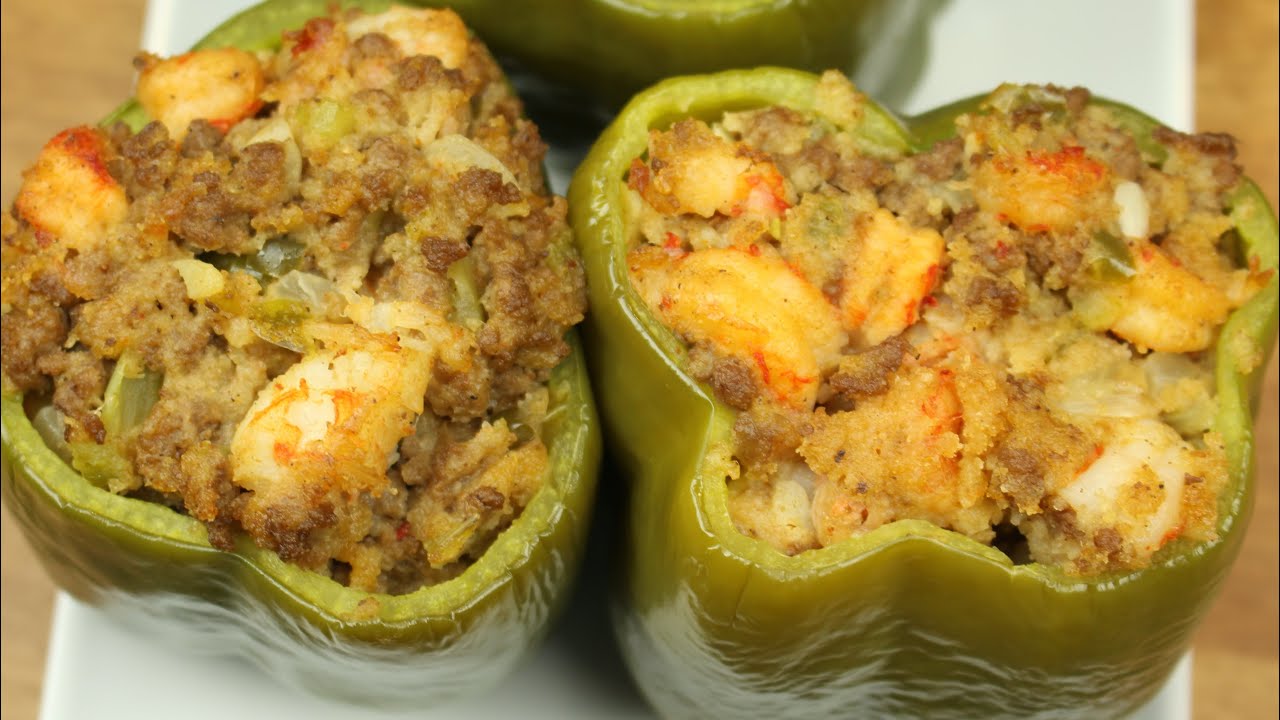
The classic American version—ground beef, rice, tomato sauce, and Italian herbs—is a foundation for endless upgrades. Modern twists include swapping ground beef for turkey, Italian sausage, or lentils for a plant-based option. The rice can be substituted with cauliflower rice, quinoa, or farro for added texture and nutrients. Chefs now experiment with sauces beyond tomato, using creamy cheese sauces, rich enchilada sauces, or a simple drizzle of olive oil and balsamic glaze.
The Science of the Perfect Pepper: Selection, Prep, and Technique
Achieving textural perfection—a pepper that is tender but not mushy, with a filling that is moist and cohesive—requires understanding a few key principles.
Choosing Your Vessel
Not all bell peppers are created equal. For stuffing, you want peppers that stand upright and have thick, sturdy walls. Red, yellow, and orange peppers are generally sweeter and more tender than green ones (which are simply less ripe). Look for peppers with four distinct lobes on the bottom; these tend to be more stable when standing. Size matters too—large peppers (like the "king" or "stuffing" varieties) offer the most cavity space for generous fillings. Avoid any peppers with soft spots, wrinkles, or significant blemishes.
The Crucial Step: Pre-Cooking (Par-Baking or Par-Boiling)
This is the #1 secret to preventing a soggy, undercooked pepper. The pepper wall is dense and needs a head start. You have two excellent options:
- Par-Baking: Place whole or halved peppers in a 400°F (200°C) oven for 15-20 minutes until they begin to soften. This concentrates their flavor and starts the cooking process.
- Par-Boiling: Boil whole peppers for 3-4 minutes in salted water. This is faster and ensures even softening. Pro Tip: After either method, drain the peppers well and pat them dry with a paper towel. Any excess surface water will steam the peppers instead of roasting them, leading to sogginess.
Mastering the Filling: The Holy Trinity of Texture
A great stuffing needs three components:
- A Starch: Rice, quinoa, couscous, or even breadcrumbs to absorb moisture and provide substance.
- A Protein: Ground meat, lentils, chickpeas, or crumbled tofu for heartiness.
- A Binder & Moisture: Egg, cheese, tomato paste, or a splash of broth to hold everything together and prevent dryness.
The Golden Ratio: A common, reliable starting point is 1 part cooked starch : 1 part cooked protein : 0.5 parts binder/moisture elements (like sautéed onions, cheese, etc.). Always cook your starch fully before mixing it into the filling. Adding uncooked rice or quinoa will absorb too much liquid from the pepper and sauce, leaving the filling dry and the pepper undercooked.
The Art of Assembly and Sauce
Don't overstuff! Fill the peppers just to the top, mounding slightly. The filling will settle and expand slightly during cooking. The sauce is not just a topping; it's a crucial cooking medium that steams the peppers and keeps the filling moist. A basic tomato sauce (canned crushed tomatoes with garlic and oregano) is foolproof. For a richer option, mix tomato sauce with a little beef or vegetable broth. Pour about ½ cup of sauce into the bottom of your baking dish before adding the peppers, and spoon more over the top of each pepper. This creates a humid environment in the oven, essential for perfect cooking.
Nutritional Powerhouse: Why Stuffed Bell Peppers Are a Health Hero
Beyond their delicious taste, stuffed bell peppers are a nutritional knockout. Let's break down the components:
- Bell Peppers Themselves: These vibrant vegetables are exceptionally high in Vitamin C (one red pepper provides over 150% of the daily value) and Vitamin A (as beta-carotene), crucial for immune function and eye health. They are also a good source of fiber, Vitamin B6, and folate, all while being very low in calories.
- The Filling Potential: This is where you can tailor the dish to any dietary need. A lean ground turkey or chicken filling keeps the saturated fat low. Plant-based proteins like lentils, black beans, or chickpeas boost fiber and phytonutrients. Whole grains like brown rice or quinoa add complex carbohydrates and sustained energy. Incorporating spinach, onions, and mushrooms into the filling adds vitamins, minerals, and antioxidants.
- A Balanced Meal in One: When constructed thoughtfully, a stuffed pepper can be a complete protein (if combining grains and legumes or using meat), a serving of vegetables, and a source of healthy carbohydrates all in one portable package. This makes it an ideal meal for weight management, muscle repair, and overall vitality. Studies show that colorful vegetables like bell peppers are associated with reduced risks of chronic diseases due to their high antioxidant content.
Common Pitfalls & How to Avoid Them: Your Troubleshooting Guide
Even experienced cooks encounter issues. Here’s how to guarantee success:
- Problem: Soggy, Mushy Peppers.
- Cause: Undercooking the pepper walls first, or using a sauce that is too watery.
- Fix:Always par-cook your peppers. Use a thick, concentrated sauce. If your tomato sauce is thin, simmer it on the stove for 10-15 minutes to reduce and thicken before using.
- Problem: Dry, Crumbly Filling.
- Cause: Not enough moisture or binding agent.
- Fix: Ensure you have an adequate binder (egg, cheese, a spoonful of tomato paste). Add a tablespoon or two of broth or water to the filling mixture before stuffing. Covering the baking dish with foil for the first 20-30 minutes of baking traps steam and prevents drying.
- Problem: Filling Doesn't Hold Together.
- Cause: Too much loose ingredient (like uncooked rice) or not enough binder.
- Fix: Use a proper ratio as mentioned above. Let the mixed filling sit for 5-10 minutes before stuffing; this allows the starches and binders to hydrate and gel slightly.
- Problem: Peppers Won't Stand Up.
- Cause: Uneven cutting or an unstable base.
- Fix: Slice a tiny piece off the bottom of each pepper (the natural "stem" end) to create a flat, stable surface. You can also place the peppers in a casserole dish where they lean against each other for support, or use a muffin tin for individual portions that stand perfectly.
Beyond the Basics: Creative Serving & Presentation Ideas
Stuffed peppers are a canvas for presentation. For an elegant dinner, serve two large, colorful peppers per person on a bed of roasted garlic mashed potatoes or creamy polenta. Drizzle with a high-quality balsamic reduction and a sprinkle of fresh parsley.
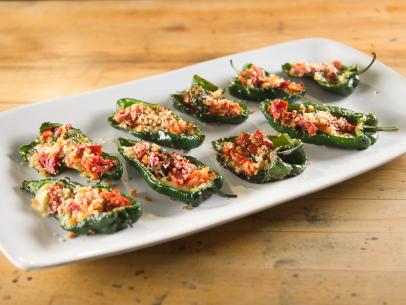
For a casual, family-style meal, slice the stuffed peppers in half after baking and arrange them on a platter. This makes serving easier and looks rustic and inviting. They also make fantastic meal prep heroes. Cook a batch on Sunday; they reheat beautifully in the microwave or oven for quick lunches throughout the week.
Get creative with toppings in the last 5 minutes of baking: a sprinkle of crumbly feta or goat cheese, a handful of toasted pine nuts, a drizzle of pesto or romesco sauce, or a few leaves of fresh basil or cilantro. These final touches add texture, color, and a burst of fresh flavor.
Storing and Reheating: Maximizing Your Stuffed Pepper Investment
Stuffed bell peppers are a gift that keeps on giving. They taste even better the next day as flavors meld.
- Refrigeration: Let cooled peppers cool completely (no more than 2 hours). Store them in an airtight container in the fridge for up to 4 days. Keep the sauce separate if possible to maintain the best texture.
- Freezing: You can freeze them, but be aware that the pepper texture will soften upon thawing. For best results, freeze unbaked peppers. Assemble, cover tightly, and freeze. Bake from frozen, adding 15-20 minutes to the cook time. Alternatively, freeze baked peppers by wrapping each individually in plastic wrap and then foil.
- Reheating: For refrigerated peppers, reheat gently in a 300°F (150°C) oven, covered with foil, until warmed through (about 20 minutes). A splash of water or broth in the dish helps. In the microwave, use a lower power setting to avoid making the pepper rubbery.
Conclusion: Your Journey with Stuffed Bell Peppers Starts Now
From its humble, economical roots to its current status as a globally celebrated, infinitely customizable dish, the stuffed bell pepper truly earns its place in the culinary hall of fame. It teaches us that cooking is not about rigid recipes, but about understanding principles—the science of moisture, the balance of textures, the layering of flavors. You now hold the keys: the historical context, the world of flavor variations, the technical know-how for perfect execution, and the nutritional knowledge to make it a healthful choice.
So, the next time you see those brilliant red, yellow, and green peppers at the market, don't just see a side dish. See a vessel for your creativity, a template for a complete meal, and a connection to kitchens around the world. Grab a pepper, choose your filling adventure, and experience the simple, profound joy of a perfectly cooked stuffed bell pepper. Your table—and your taste buds—will thank you.