Steak With Veggies: The Ultimate Guide To Perfect Pairings And Healthy Eating
Have you ever stared at a beautiful cut of steak and wondered, "What’s the real secret to turning this into a complete, restaurant-worthy, and nutritionally balanced meal?" The answer isn't a fancy sauce or an exotic spice—it’s right there on your plate: steak with veggies. This timeless combination is so much more than just protein and a side. It’s a canvas for culinary creativity, a powerhouse of nutrition, and the cornerstone of countless satisfying dinners. Whether you’re a grill master or a kitchen novice, understanding the synergy between a perfectly cooked steak and thoughtfully prepared vegetables will elevate your cooking from simple to sublime. This guide will walk you through every step, from selecting the ideal cut to mastering techniques that make vegetables the star they deserve to be.
The Foundation: Choosing Your Steak and Understanding Its Role
Before we even touch a vegetable, we must master the main event. The steak you choose dictates everything—from cooking method to flavor profile and, ultimately, its vegetable counterpart. A great steak and vegetable dinner starts with understanding the meat itself.
Decoding Steak Cuts: Flavor, Fat, and Function
Not all steaks are created equal, and this isn't about price tags alone. It’s about marbling (the intramuscular fat), connective tissue, and thickness.
- Ribeye: The king of flavor. Heavy marbling means incredible juiciness and a rich, beefy taste. Its fat renders beautifully, making it ideal for high-heat searing. Pair it with: Robust, earthy veggies like roasted garlic mushrooms or caramelized onions that can stand up to its intensity.
- New York Strip: A leaner, tighter-textured steak with a definite, satisfying chew and a bold beef flavor. Its consistent shape makes it a grilling favorite. Pair it with: Classic companions like grilled asparagus or herb-roasted potatoes.
- Filet Mignon (Tenderloin): The most tender cut, with a mild, buttery flavor and very little fat. Its subtlety means it needs help from accompaniments and sauces. Pair it with: Rich, compound butters or sautéed spinach with garlic and shallots to add dimension.
- Flank or Skirt Steak: These are lean, fibrous, and packed with beefy flavor. They thrive on marinades (acidic components like citrus or vinegar tenderize) and high-heat, quick cooking to a perfect medium-rare. Slice against the grain!Pair it with: The vibrant, charred sweetness of fajita-style bell peppers and onions or a bright chimichurri sauce and grilled zucchini.
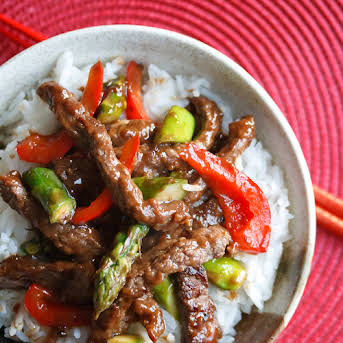
- Sirloin: A versatile, affordable, and leaner option with good beef flavor. Can be grilled, broiled, or pan-seared. Pair it with: Almost anything! A stir-fry with broccoli and snap peas or a simple salt-and-pepper finish with roasted broccolini.
Pro Tip: Thickness matters. A 1.5-inch thick steak allows for a beautiful sear on the outside while keeping the inside perfectly pink. Thinner cuts are more prone to overcooking.
The Critical Role of Temperature: Resting is Non-Negotiable
You’ve seared your steak to a perfect crust. Now, the hardest part: walk away. Letting your steak rest for 5-10 minutes on a warm plate or cutting board is arguably the most important step. During cooking, muscle fibers contract and push juices toward the center. Resting allows these fibers to relax and reabsorb the juices. Cutting into it immediately sends all that precious flavor onto your cutting board, not your plate. This simple act ensures every bite of your steak with veggies is succulent and flavorful.
The Vegetable Symphony: Transforming Sides into Stars
Vegetables in a steak dinner should never be an afterthought. They provide essential texture contrast, acidity, sweetness, and a massive boost of vitamins, minerals, and fiber. The goal is to prepare them in a way that complements, rather than competes with, the steak.
Root Vegetables: Earthy Depth and Hearty Satisfaction
Root vegetables are the bedrock of comfort food. Their natural sugars caramelize beautifully under heat.
- Potatoes: The ultimate classic. Oven-roasted potato wedges tossed in olive oil, rosemary, salt, and pepper are a no-brainer. For a creamier texture, try hasselback potatoes or parsnip purée for a sweeter, more sophisticated twist.
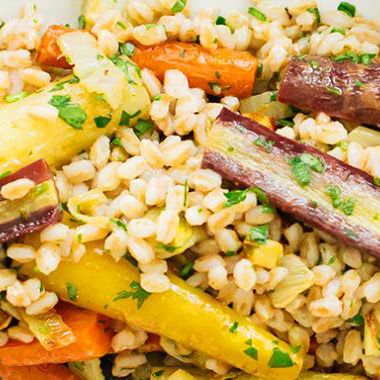
- Carrots & Parsnips: Roasting brings out their innate sweetness. Try them cut into batons with a touch of honey or maple syrup for a glaze that plays off the steak’s savory notes.
- Beets: Roasted beets offer a stunning color and an earthy, sweet flavor. A beet and goat cheese salad with arugula provides a fantastic textural and flavor contrast to a rich steak.
Cruciferous Powerhouses: Texture, Bite, and Nutrition
This family (broccoli, cauliflower, Brussels sprouts) brings a delightful bite and is packed with nutrients.
- Broccoli & Broccolini:Charred broccoli from the grill or a quick sauté with garlic and chili flakes is fantastic. For a creamy option, broccoli purée (similar to a potato purée) is a revelation.
- Brussels Sprouts: Halved and roasted until the edges are crispy and the centers are tender is the goal. A final toss with a balsamic reduction or a sprinkle of Parmesan cheese elevates them to a dish people fight over.
- Cauliflower:Cauliflower "steaks" (thick slices) grilled or roasted are a stunning visual and textural match. Cauliflower rice sautéed with herbs makes a lighter, lower-carb base.
Quick-Cooking Veggies: Brightness and Color
These add freshness and vibrant color to cut through the richness of the steak.
- Asparagus: Grilled or roasted until tender-crisp. A drizzle of lemon juice and a shaving of Parmesan is all it needs.
- Bell Peppers & Onions: The holy trinity of flavor. Sliced and grilled until deeply caramelized (the fajita method) or roasted on a sheet pan with the steak. Their natural sugars are a perfect counterpoint.
- Green Beans:Blanched then sautéed with almonds or garlic for a crisp-tender bite.
- Mushrooms: A umami bomb. Sautéed in butter and thyme until deeply browned, they add a meaty, savory depth that complements the steak beautifully. Portobello caps grilled whole make a substantial "steak-like" vegetarian option to serve alongside.
Mastering the Cook: Techniques for Perfect Steak and Veggies
How you cook your components is as important as what you choose. The goal is efficiency and harmony on the plate.
The Two-Zone Fire: Grill Master Strategy
If you’re grilling, establish a hot zone (direct heat) and a cool zone (indirect heat).
- Sear: Place thick-cut steaks (like ribeye or strip) directly over the hot zone for 2-3 minutes per side to develop a crust.
- Move & Finish: Transfer the steak to the cool zone, close the lid, and cook until your desired internal temperature (use a meat thermometer! 130-135°F for medium-rare).
- Veggie Time: While the steak finishes, place your veggies (bell peppers, onions, asparagus, zucchini slices) directly over the hot zone. They cook quickly and get gorgeous char marks. Toss them in a bowl with oil and seasoning first.
The One-Pan Wonder: Stovetop to Oven
This is a weeknight hero. Use a heavy, oven-safe skillet (like cast iron).
- Sear: Pat steak dry, season generously, and sear on high heat for 2-3 minutes per side.
- Veggie Prep: While the steak sears, quickly toss chopped hearty veggies (potatoes, carrots) in the rendered fat in the pan. If using quick-cooking veggies (mushrooms, peppers), add them later.
- Finish Together: Once the steak is seared, you can either:
- Transfer the whole skillet to a preheated oven (400°F/200°C) to finish the steak and roast the veggies simultaneously.
- Remove the steak to rest, and finish cooking the veggies on the stovetop.
- Deglaze: After removing everything, add a splash of wine, broth, or water to the hot pan, scrape up the browned bits (fond), and reduce to make a quick, pan sauce.
The Sheet Pan Supremacy: Effortless Cleanup
This method is about cohesion. Cut your steak (if using a larger cut like sirloin) and all your veggies into similar-sized pieces.
- Toss Everything: In a large bowl, toss steak pieces and veggies with oil, salt, pepper, and herbs. Crucial: If using quick-cooking veggies (peppers, onions) and slow-cooking ones (potatoes), cut the slow ones smaller or add them to the pan 10-15 minutes earlier.
- Roast: Spread everything in a single layer on a parchment-lined sheet pan. Overcrowding steams instead of roasts. Roast at 425°F (220°C), stirring halfway, until steak is done and veggies are tender-caramelized.
- Finish: In the last 2 minutes, switch to broil for extra char. Rest the steak pieces before serving.
The Alchemy of Seasoning: Beyond Salt and Pepper
Seasoning is where personality comes in. It bridges the gap between steak and vegetables.
Building Layers of Flavor
- Dry Rubs (Pre-Cook): Apply 30-60 minutes before cooking. A classic is coarse salt and cracked black pepper. For more complexity, add garlic powder, onion powder, smoked paprika, or dried herbs like rosemary or thyme. The salt draws out moisture, which then reabsorbs, seasoning deeply.
- Marinades (Pre-Cook, 2-24 hours): Great for leaner, tougher cuts (flank, skirt). A base of acid (citrus juice, vinegar) + oil + aromatics (garlic, onion, herbs) + sweetener (honey, sugar). The acid tenderizes, the oil carries flavor, and the sweetener promotes caramelization.
- Finishing Salts & Sauces (Post-Cook): This is your final touch. A compound butter (softened butter mixed with herbs, garlic, citrus zest) placed on the hot steak is a luxury. A quick pan sauce made from deglazing the pan is pure gold. A sprinkle of flaky sea salt (like Maldon) adds texture and a burst of salinity. A drizzle of high-quality extra virgin olive oil or truffle oil adds richness.
Herb and Spice Pairings to Try
- Rosemary + Thyme: Classic with beef, perfect for roasted potatoes or mushrooms.
- Garlic + Parsley: The ultimate finishing combo for almost any veggie.
- Smoked Paprika + Cumin: Adds a warm, smoky depth, fantastic for roasted sweet potatoes or a black bean and corn salsa to serve alongside.
- Chili Flakes + Lime: For a spicy, bright finish on grilled peppers and onions or a cabbage slaw.
The Weeknight Warrior: Meal Prep and Assembly Strategies
A steak with veggies dinner can be a 30-minute reality, not a weekend project.
Smart Prep Ahead
- On Sunday: Trim and portion steaks (freeze if not using within 2 days). Wash and dry all vegetables. Chop sturdy veggies (onions, peppers, carrots) and store in airtight containers. Make a batch of your favorite dry rub or marinade.
- The Night Of: Take steak from fridge 20-30 minutes before cooking to take the chill off (promotes even cooking). Toss pre-chopped veggies with oil and seasoning. Cook using your chosen method (sheet pan is fastest for full meals).
The Art of Assembly
How you plate matters for the eating experience.
- Rest the Steak: Always let it rest, then slice against the grain for maximum tenderness.
- Veggie Base: Create a bed of your vegetable medley on the plate.
- Steak on Top: Place the sliced steak over the vegetables. This allows any steak juices to drizzle down.
- Sauce Finish: Drizzle your pan sauce, compound butter, or a simple salsa verde or chimichurri over the top.
- Fresh Element: Add a final pop with fresh herbs (chopped parsley, cilantro), a squeeze of citrus (lemon or lime), or a few microgreens.
The Power Plate: Nutritional Synergy of Steak and Veggies
This meal isn’t just delicious; it’s a nutritional powerhouse when built consciously.
- Steak: An exceptional source of complete protein, containing all nine essential amino acids crucial for muscle repair, immune function, and hormone production. It’s also rich in heme iron (the most easily absorbed form), vital for oxygen transport in blood, and vitamin B12, essential for nerve function and DNA synthesis. It provides zinc for immune health and selenium, a powerful antioxidant.
- Veggies: They provide dietary fiber, which aids digestion, promotes satiety (feeling full), and helps regulate blood sugar. They are packed with vitamins (A, C, K, folate), minerals (potassium, magnesium), and thousands of phytonutrients and antioxidants that combat inflammation and oxidative stress. The variety of colors indicates a variety of these protective compounds.
- The Combination: The fat in steak (especially in marbled cuts) aids in the absorption of fat-soluble vitamins (A, D, E, K) from your vegetables. The fiber from veggies helps moderate the absorption of nutrients and manages the overall glycemic load of the meal, creating a perfectly balanced, sustained-energy plate. According to the USDA, a 3-ounce serving of lean beef provides about 22 grams of high-quality protein, while just one cup of broccoli provides over 100% of the daily recommended vitamin K and more than 100% of vitamin C.
Addressing Common Questions
Q: Can I make a healthy steak dinner if I’m on a budget?
A: Absolutely! Sirloin, flank, or skirt steak are excellent, flavorful, and more affordable than premium ribeye or filet. Use them in stir-fries, fajitas, or salads where the meat is sliced thin and stretched across the plate. Focus on seasonal and frozen vegetables, which are often cheaper and just as nutritious.
Q: How do I avoid overcooking my steak?
A:Use an instant-read meat thermometer. It’s the only surefire way. Pull your steak from the heat at these temperatures (it will carry over 5-10°F):
- Rare: 120-125°F (49-52°C)
- Medium-Rare: 130-135°F (54-57°C) - The Gold Standard for flavor and juiciness.
- Medium: 140-145°F (60-63°C)
- Medium-Well: 150-155°F (66-68°C)
- Well-Done: 160°F+ (71°C+)
Q: What’s a simple, foolproof seasoning blend?
A: The "Salt-Pepper-Garlic" Trinity never fails. Use 1 part coarse kosher salt : 1 part freshly cracked black pepper : 1/2 part garlic powder (not garlic salt). Apply generously 40 minutes before cooking or right before it hits the pan.
Q: I don’t like the taste of certain veggies. How can I make them more palatable?
A:Fat is flavor. Roast or sauté vegetables in a healthy fat like olive oil, avocado oil, or even a little butter. Caramelization is key. Cook them long enough to develop brown, crispy edges—this concentrates sugars and adds complexity. Acid brightens. A final squeeze of lemon juice or a dash of vinegar can balance bitterness (especially in greens like broccoli or Brussels sprouts).
Conclusion: Your Journey to the Perfect Steak with Veggies Starts Now
Mastering the art of steak with veggies is a journey from understanding basic principles to expressing your own culinary creativity. It’s about respecting the ingredients—choosing a steak that fits your method and budget, treating vegetables as equal partners with their own textures and flavors, and employing simple techniques like proper searing, resting, and strategic seasoning. This meal is the ultimate flexible framework: a rich, protein-packed canvas awaiting your personal touch with the vibrant, healthful colors of the produce world. So, fire up that grill, preheat your oven, or heat your cast iron. Choose your cut, pick your veggies, and remember the sacred resting period. In that simple act of combining a perfectly cooked steak with thoughtfully prepared vegetables, you’ve created more than just dinner. You’ve crafted a balanced, deeply satisfying, and utterly delicious expression of good food. Now, go enjoy every single bite.