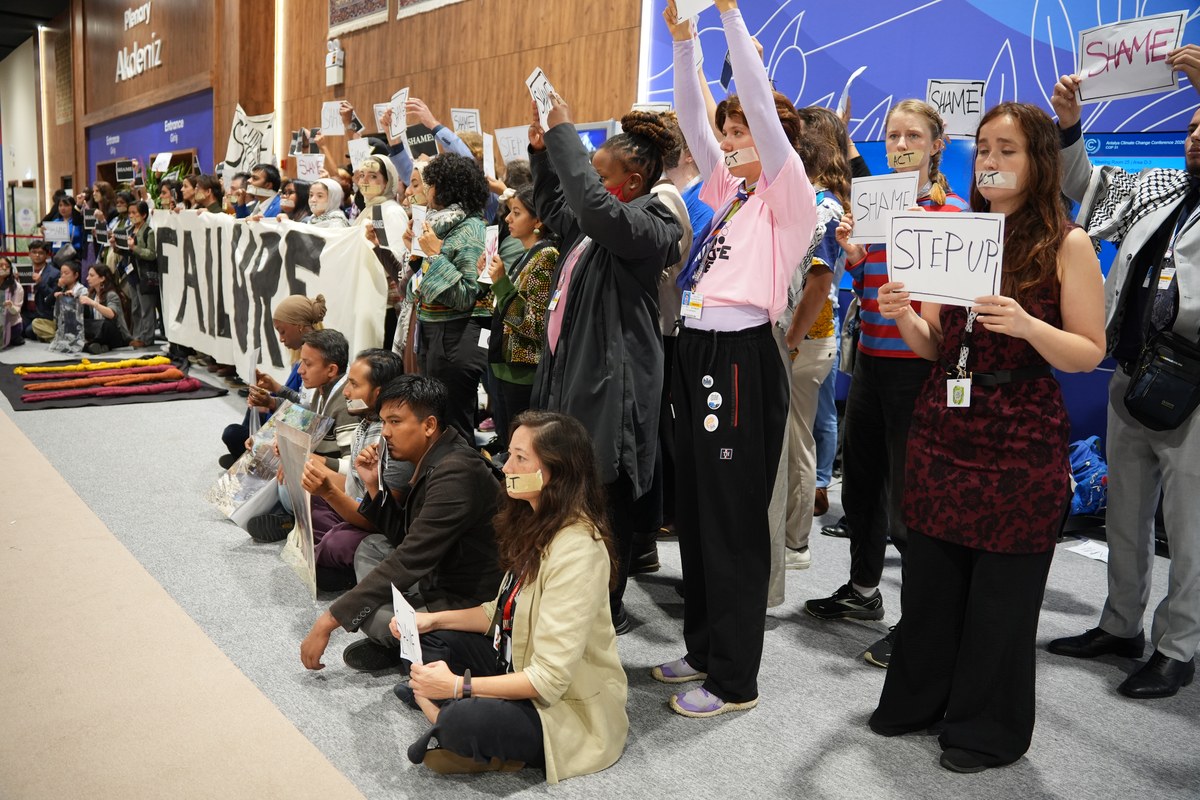
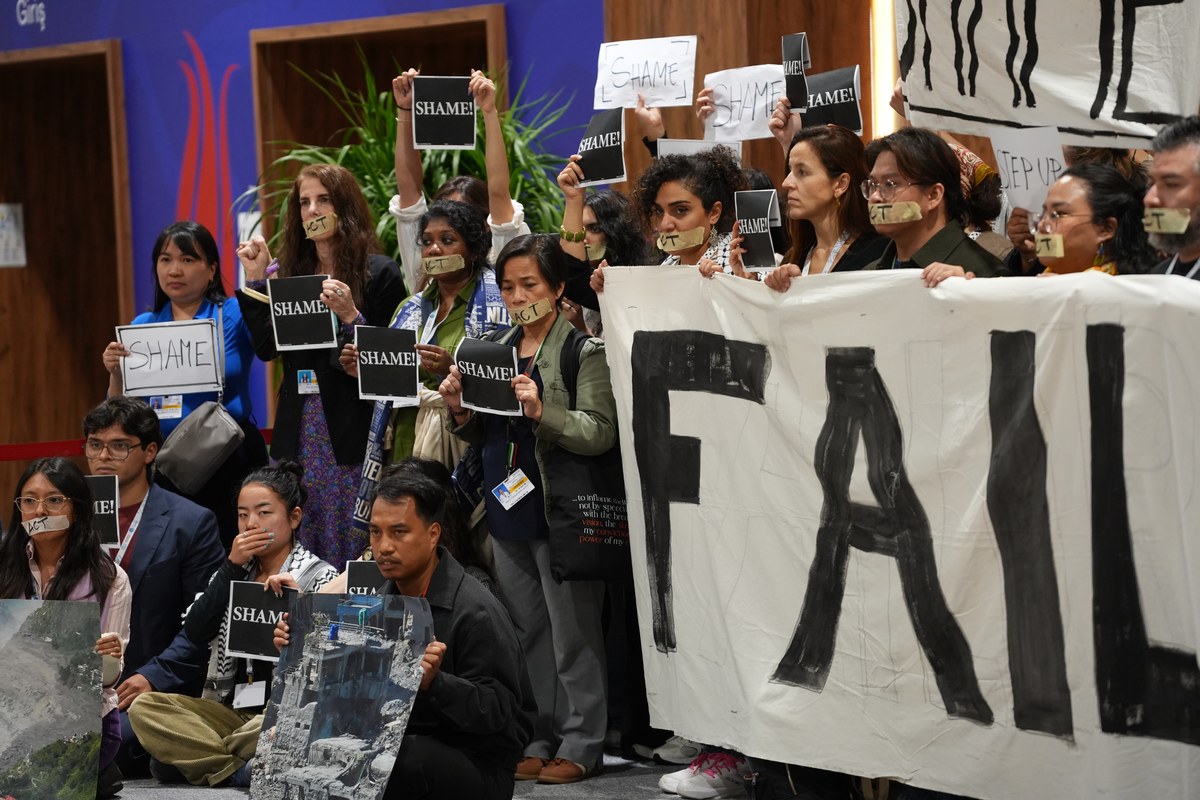
What happened? The COP31 climate summit in Antalya, Türkiye, ended on Sunday without its main political agreement, the “cover decision”, after the EU and other countries refused to accept a draft with no mention of fossil fuels. It was the first such failure since the Copenhagen summit in 2009. We reported the news separately in our story on COP31 ending without a climate deal; this piece explains why it happened.
What is a cover decision, and what was the Antalya Pact? Each COP is the annual meeting of the countries that signed the 1992 UN climate convention, the Kyoto Protocol and the Paris Agreement, and it has many agenda items. On top of those, the host country proposes a set of broader agreements meant to speed up climate action. If countries adopt them, they become the cover decision, which the host names. Türkiye called its draft the Antalya Pact. The Indian Express explained that it went through several rounds of changes but never won consensus, and was dropped.
Why could one country’s objection sink it? UN climate talks decide by consensus, so a rejection by even one country is enough to block a text. Here the objectors were the EU and several others. UN News said the EU called the lack of any reference to fossil fuels “unconscionable”, and Panama and the Marshall Islands also withheld support.
Why were fossil fuels the sticking point? Burning coal, oil and gas accounts for nearly three-quarters of annual greenhouse gas emissions, yet these fuels still meet over 80 per cent of the world’s energy needs, according to The Indian Express. At COP28 in Dubai in 2023, countries agreed to transition “away from fossil fuels in energy systems in a just, orderly and equitable manner”, S&P Global noted, but that language has not appeared in a COP decision since. The Indian Express said the EU had the backing of more than 130 countries this time and “went for broke”: it wanted an agreement with a fossil-fuel phase-out provision or no agreement at all.
Who was on the other side? UN News said negotiators could not bridge differences between climate-vulnerable nations and countries pushing for a stronger commitment to move away from coal, oil and gas, and those seeking to protect economies heavily dependent on fossil fuel exports. Saudi Arabia, speaking for the Arab League, defended the draft’s references to carbon capture and storage and rejected suggestions that the technology was greenwashing. The Indian Express added that the US, under President Donald Trump, has walked out of the Paris Agreement and the UN climate convention, which has shifted the balance of power somewhat towards China and other large developing countries.
What else was in dispute? S&P Global said the final draft called for electricity to make up 35 per cent of energy consumption by 2035, and for carbon capture, utilisation and storage to reach gigaton scale by 2035. The Indian Express said just 23 per cent of the world’s final energy is consumed as electricity today, and that many countries wanted any extra electrification to come only from clean sources. An early draft aimed to triple adaptation finance to US$120 billion by 2035, but later drafts dropped the number because developed countries would not set aside a specific sum under their existing US$300 billion climate finance commitment.
What is India’s stand? Ahead of the summit, Environment Minister Bhupender Yadav said: “There will not be any phase out of fossil fuels because we will have to give access to energy to the common people,” Deccan Herald reported. India has long argued for a “phase-down” rather than a “phase-out”, and coal still generates most of its electricity, according to The Declaration. After the collapse, Yadav said India “engaged constructively and tirelessly” and that “the absence of a cover decision does not pause climate action”, while acknowledging that India also had concerns about parts of the rejected text.
Does this change anything for India or the world right now? The rejected draft carried no formal standing, S&P Global reported, so none of its targets, including the 35 per cent electrification goal, bind any country. UN Secretary-General António Guterres said the world is now on course to exceed the 1.5°C warming limit and that “there is no ambiguity in the science”.
What happens next? The unresolved issues, from the fossil fuel transition to climate finance, move to COP32 in Addis Ababa, Ethiopia, next year. The Indian Express said many of the contentious issues will return there.
More to read



Behind the story
Read the sources and explore the context for yourself.
- The Indian Idiot: COP31 ends without a climate deal for the first time since 2009 (23 Nov 2026)theindianidiot.com
- The Indian Express (Amitabh Sinha): COP31 ends without agreement as countries clash over fossil fuel phase-out (23 Nov 2026)indianexpress.com
- UN News: COP31 ends without climate pact as UN chief warns there is ‘no ambiguity in the science’ (22 Nov 2026)news.un.org
- S&P Global: COP31: Antalya talks unravel over fossil fuels, carbon capture (22 Nov 2026)spglobal.com
- Deccan Herald: Fossil fuel phase-out: India rejects COP31 roadmap over energy accessdeccanherald.com
- The Declaration: India won’t sign COP31 electrification pledge or back fossil-fuel phase-out, Yadav saysthedeclaration.in