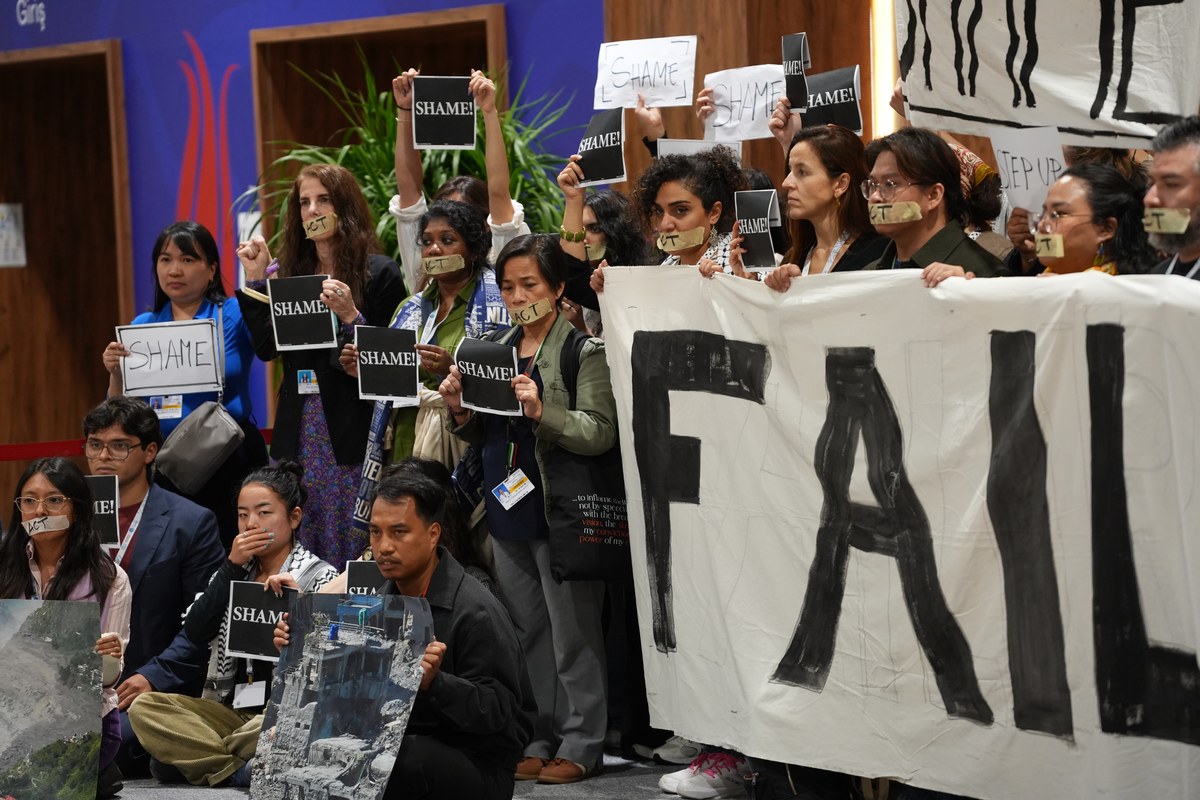
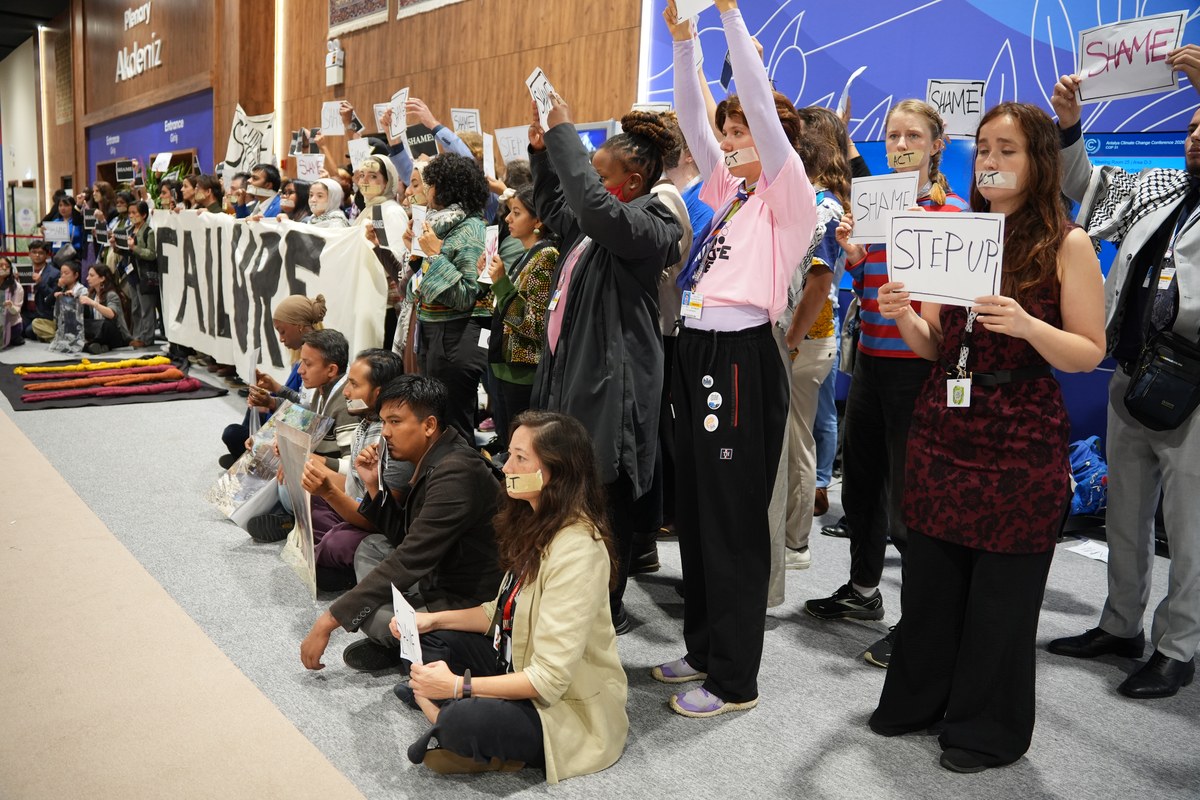
The COP31 climate summit in Antalya, Türkiye, ended on Sunday (22 November) without a climate deal, after two weeks of talks and two days of overtime. Countries could not agree on the main “cover decision”, called the Antalya Pact, because the European Union and several other countries refused to accept a draft that did not mention fossil fuels. It is the first time a UN climate conference has ended without such an agreement since COP15 in Copenhagen in 2009, S&P Global and The Indian Express reported.
The UN works by consensus, so one country’s rejection is enough to block a text. COP31 President Murat Kurum, Türkiye’s environment minister, said: “I understand that there is no agreement on this text. For that reason, these decisions have not been adopted.” Türkiye is hosting the summit with Australia as co-president.
The EU told the closing session that the text failed to “meet the moment” and called the omission of any reference to fossil fuels or a transition away from them “unconscionable”, according to UN News. Panama and the Marshall Islands also withheld support. Saudi Arabia, speaking for the League of Arab States, defended the references to carbon capture and storage in the draft, and Ghana, for the African Group, said the group would not stand in the way of consensus despite shortcomings on finance and loss and damage.
According to S&P Global, the final draft had no mention of fossil fuels. It called for electricity to make up 35 per cent of energy consumption by 2035, said carbon capture, utilisation and storage should reach gigaton scale by 2035, and acknowledged that the world is on track to miss the 1.5°C limit. Countries also did not agree on a specific target for tripling adaptation finance. Australia’s Chris Bowen, who served as President of Negotiations, described “the most complicated and fraught geopolitical environment in living memory” and “unbridgeable red lines”.
India’s Environment Minister Bhupender Yadav said: “The absence of a cover decision does not pause climate action.” He said India “engaged constructively and tirelessly” with the presidencies, adding: “While concerns remain over certain elements of the cover decision, we remain committed to dialogue and constructive engagement until the very end to build consensus.” The Indian Express reported that India had reservations about some elements of the rejected text.
UN Secretary-General António Guterres called the outcome “deeply disappointing”. “There may be no consensus in the negotiating room. There is no ambiguity in the science,” he said in a statement.
The failure to agree on the cover decision does not mean COP31 produced nothing. The Indian Express noted that the conference also took decisions on several other agenda items. The unresolved questions, from fossil fuels to climate finance, move to COP32 in Addis Ababa, Ethiopia. We explain why the talks broke down in a separate explainer.
More to read




Behind the story
Read the sources and explore the context for yourself.
- UN News: COP31 ends without climate pact as UN chief warns there is ‘no ambiguity in the science’ (22 Nov 2026)news.un.org
- The Indian Express (Amitabh Sinha): COP31 ends without agreement as countries clash over fossil fuel phase-out (23 Nov 2026)indianexpress.com
- S&P Global: COP31: Antalya talks unravel over fossil fuels, carbon capture (22 Nov 2026)spglobal.com