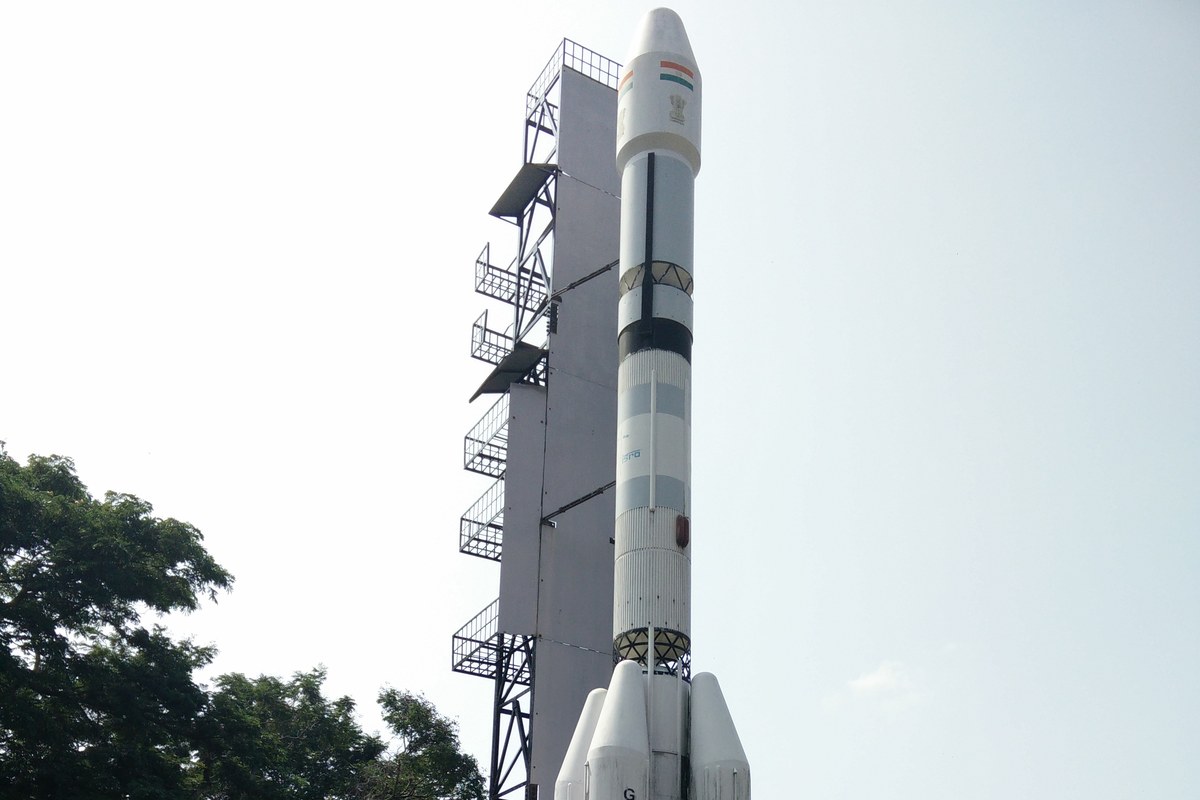
ISRO’s GSLV-F18 rocket successfully placed the NVS-03 navigation satellite in orbit on Friday night (30 October), giving a much-needed boost to NavIC, India’s own satellite navigation system.
The rocket lifted off at 11.51 pm, as scheduled, from the second launch pad at the Satish Dhawan Space Centre in Sriharikota. Around 18 minutes later, the satellite was placed in a geosynchronous transfer orbit. It was the 20th flight of the Geosynchronous Satellite Launch Vehicle.
“Mission Success! GSLV-F18 has successfully placed NVS-03 in the intended orbit. Congratulations!” ISRO posted on X.
View @isro’s post on X
“With this launch, we have restored NavIC constellation operation as we need a minimum of four satellites to perform positioning, navigation and timing services,” ISRO chairman V Narayanan said.
“The satellite is healthy, and the solar panel has been deployed,” he added. ISRO will now carry out further operations to take the satellite to its intended final orbit.
NavIC had been short of working satellites because of ageing spacecraft and failed atomic clocks, and its previous satellite, NVS-02, never reached its final orbit after its January 2025 launch. NVS-03 carries an indigenous atomic clock and adds the L1 signal used by GPS, which is expected to improve compatibility with other navigation systems and widen NavIC’s civilian use. Our explainer from before the launch has the full background on why the mission mattered.
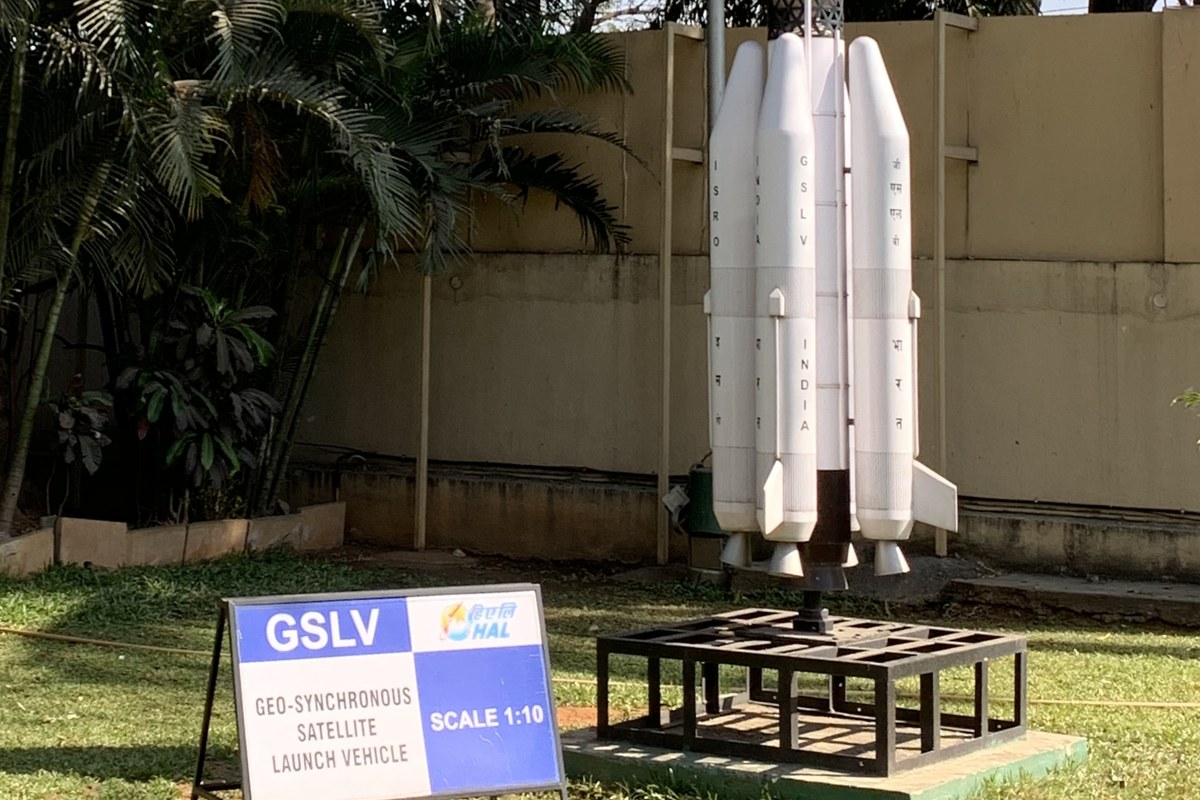
According to Space.com, it was the 14th launch of the GSLV Mark II, a three-stage rocket that stands 52 metres tall. Twelve of those 14 launches have been successful.
Prime Minister Narendra Modi congratulated ISRO’s scientists and engineers. “This mission marks an important step in strengthening NavIC, our indigenous satellite navigation system. Equipped with enhanced capabilities, NVS-03 will further our pursuit of self-reliance in critical technologies and support navigation services that benefit our people,” he wrote on X.
More to read




Behind the story
Read the sources and explore the context for yourself.
- The Times of India: ISRO’s GSLV-F18/NVS-03 mission successful; NavIC constellation gets a boost (31 Oct 2026)timesofindia.indiatimes.com
- ISRO (@isro) on X: Mission Success! GSLV-F18 has successfully placed NVS-03 in the intended orbit (31 Oct 2026)x.com
- Narendra Modi (@narendramodi) on X: Congratulations to ISRO on the successful launch of GSLV-F18 carrying NVS-03 (31 Oct 2026)x.com
- Space.com: India launches next-gen navigation satellite to orbit (31 Oct 2026)space.com
- The Indian Idiot: NVS-03 launch explained: What ISRO’s GSLV-F18 mission means for NavIC (30 Oct 2026)theindianidiot.com