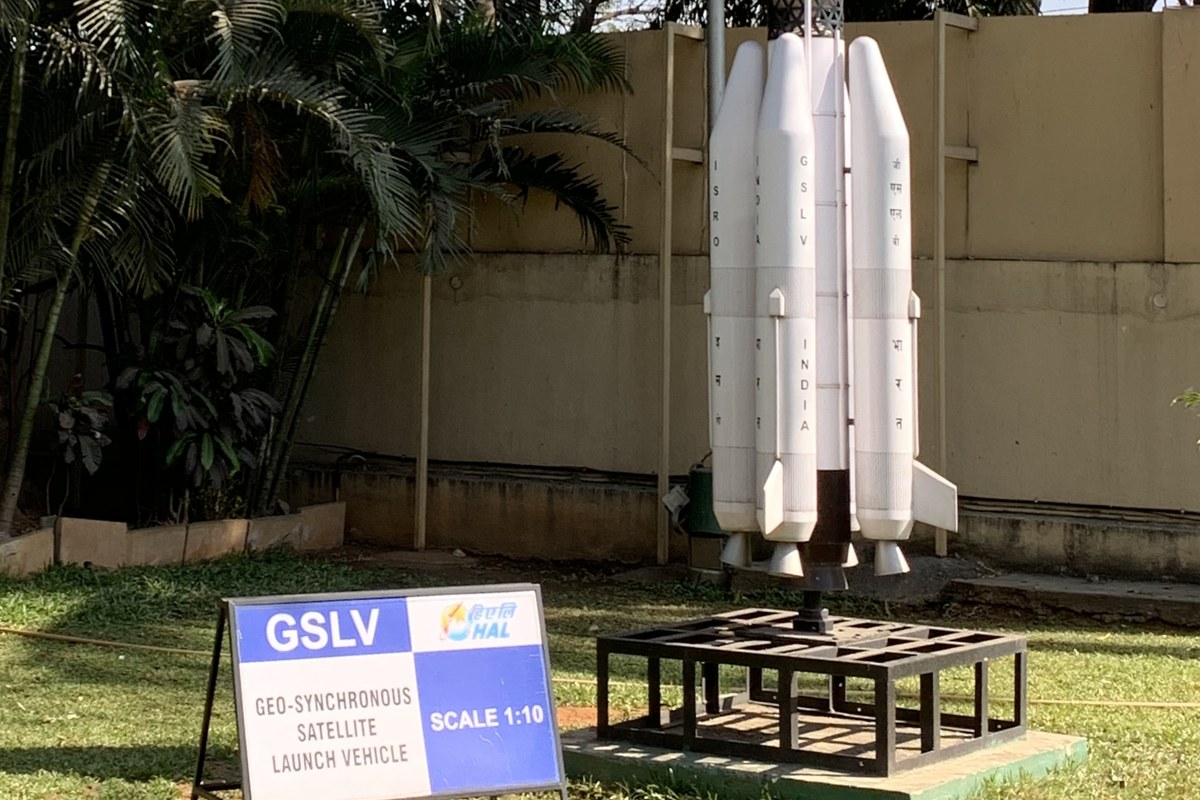
The NVS-03 launch, scheduled for 11.51 pm on Friday (30 October), is ISRO’s attempt to shore up NavIC, India’s own satellite navigation system. The satellite is to fly on the GSLV-F18 rocket from the second launch pad at the Satish Dhawan Space Centre in Sriharikota.
“Launch Day! The GSLV-F18/NVS-03 Mission is scheduled for launch today, 30 October 2026, at 23:51 hrs IST from Satish Dhawan Space Centre (SDSC SHAR), Sriharikota,” ISRO posted on X.
View @isro’s post on X
What is NavIC? It is India’s regional version of GPS. India decided to build it after the 1999 Kargil War showed the risk of depending on another country’s navigation system. NavIC was designed as a seven-satellite constellation, but it needs at least four working satellites to function on its own.
Why does it need help? Ageing satellites and failed atomic clocks have weakened it. IRNSS-1F finished its 10-year design life in March 2026, and its last working atomic clock stopped three days later. NVS-02, launched in January 2025, never reached its final orbit because of a loose electrical connector. According to government information cited by The Hindu, only three of the constellation’s 11 satellites can currently do their main job.
What does NVS-03 carry? It has an indigenous rubidium atomic clock, developed by ISRO’s Space Applications Centre, alongside imported clocks. Precise clocks matter because a timing error of one microsecond can put a location off by about 300 metres.
It will also add the L1 signal to NavIC’s existing L5 and S-band signals. GPS already uses L1, so this makes NavIC work with more existing receivers, including supported smartphones and wearables.
How will it get there? The 50-metre, three-stage rocket, weighing 420 tonnes at lift-off, is to put the 2,232 kg satellite into a transfer orbit. The satellite will then raise its own orbit to reach its final slot at 32.5 degrees East. To avoid a repeat of the NVS-02 failure, ISRO will fly it with its pyro valves already open, The Hindu reported.
What next? A good launch is only the first step; NVS-03 still has to reach its slot and start working. NVS-04 and NVS-05 were meant to follow six months after NVS-03, but no fresh dates have been announced.
More to read




Behind the story
Read the sources and explore the context for yourself.
- ISRO (@isro) on X: Launch Day! GSLV-F18/NVS-03 Mission (30 Oct 2026)x.com
- The Hindu: ISRO’s crucial GSLV-F18 launch carrying navigation satellite NVS-03 (30 Oct 2026)thehindu.com
- The Hindu: ISRO GSLV-F18 NVS-03 navigation satellite launch live updates (30 Oct 2026)thehindu.com
- India Today: ISRO NVS-03 launch: How new satellite aims to restore India’s NavIC system (30 Oct 2026)indiatoday.in