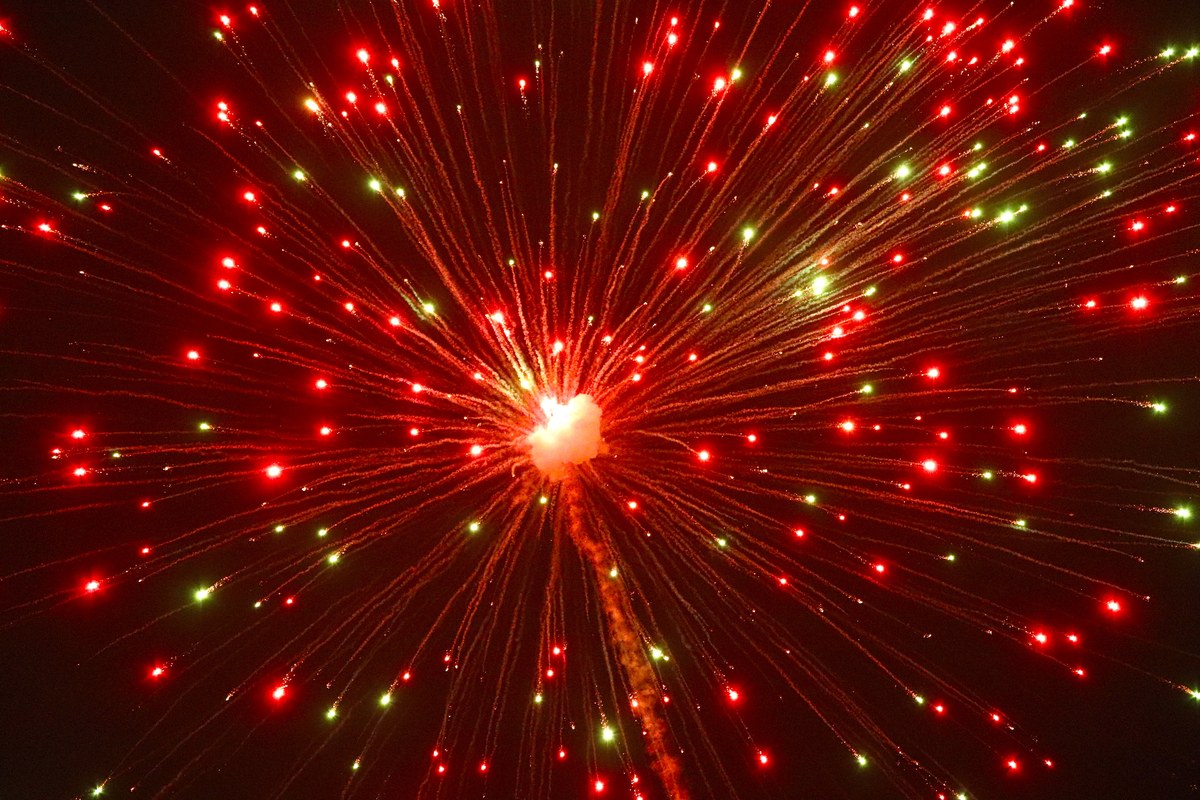
Firecrackers accounted for an estimated 71.1% of Delhi's PM2.5 pollution between 1 am and 9 am on Monday (9 November), right after Diwali, according to source-apportionment estimates by the Indian Institute of Tropical Meteorology (IITM), Pune. On Tuesday (10 November) their share fell to 29.8%, but they were still the largest identified source, The Economic Times reported.
The Indian Express reported that firecrackers made up 43.4% of PM2.5 over the same hours on the night before Diwali and just 5.6% from 1 am to 9 am on 7 November. In the run-up to Diwali, other sources were bigger: secondary organic aerosols (20.8%), mixed biofuel burning (18.1%), waste burning (11.6%) and secondary inorganic aerosols (10.3%) led the list in the IITM window before Diwali morning.
After Diwali night, the picture flipped. On Monday, vehicles contributed 6.9%, secondary inorganic aerosols 5%, secondary organic aerosols 4.5% and waste burning 1.1%. On Tuesday, secondary organic aerosols were second at 17.5%, followed by vehicles and secondary inorganic aerosols at 11.7% each, wood burning at 10.7% and waste burning at 7.7%, according to the figures reported by The Economic Times.
The estimates come with caveats. IITM flagged uncertainties in atmospheric processes, source characteristics and observations, and the numbers cover only the 1 am to 9 am window on each date, not full days. The Economic Times reported standard deviations of 104.1 percentage points for Monday and 27.7 for Tuesday, which signals wide variability. Potassium, a common fireworks tracer, is also released by biomass burning, which can blur the split. “The source-apportionment estimates are derived using the best available source profiles, scientifically established methodologies, and practices accepted by the scientific community,” IITM said, The Indian Express reported.
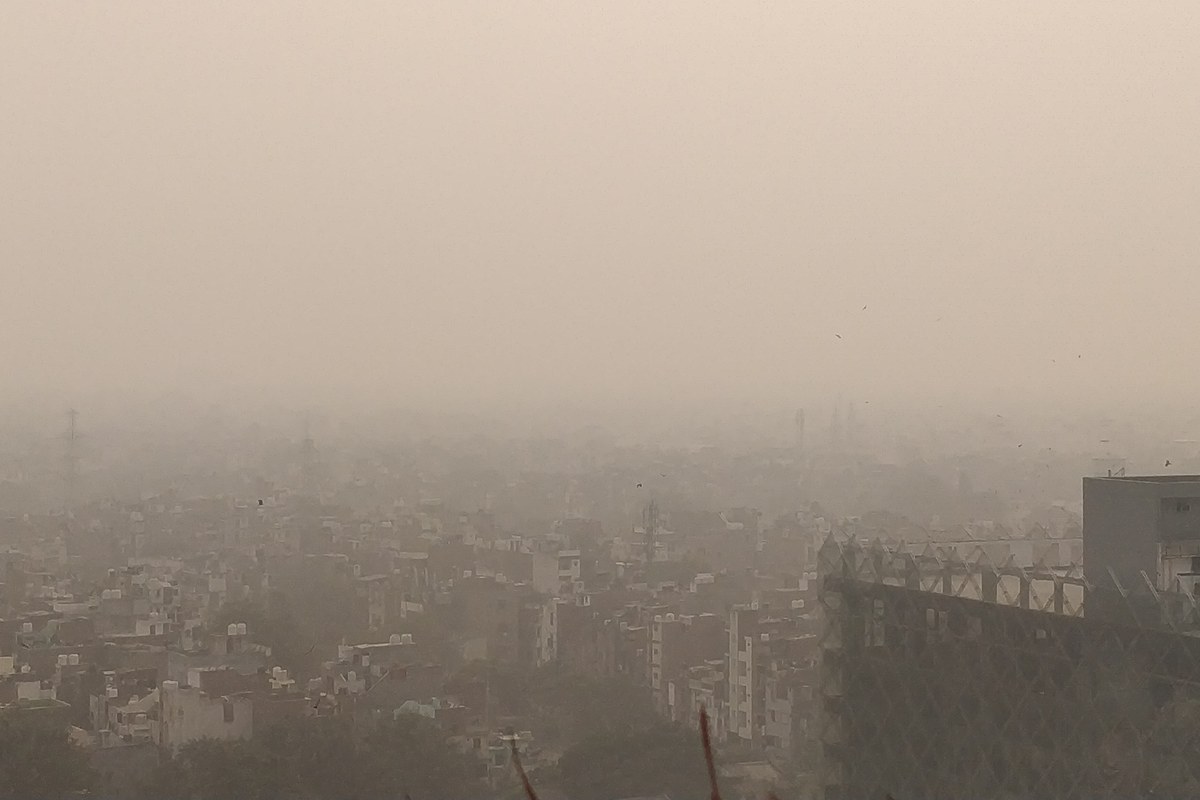
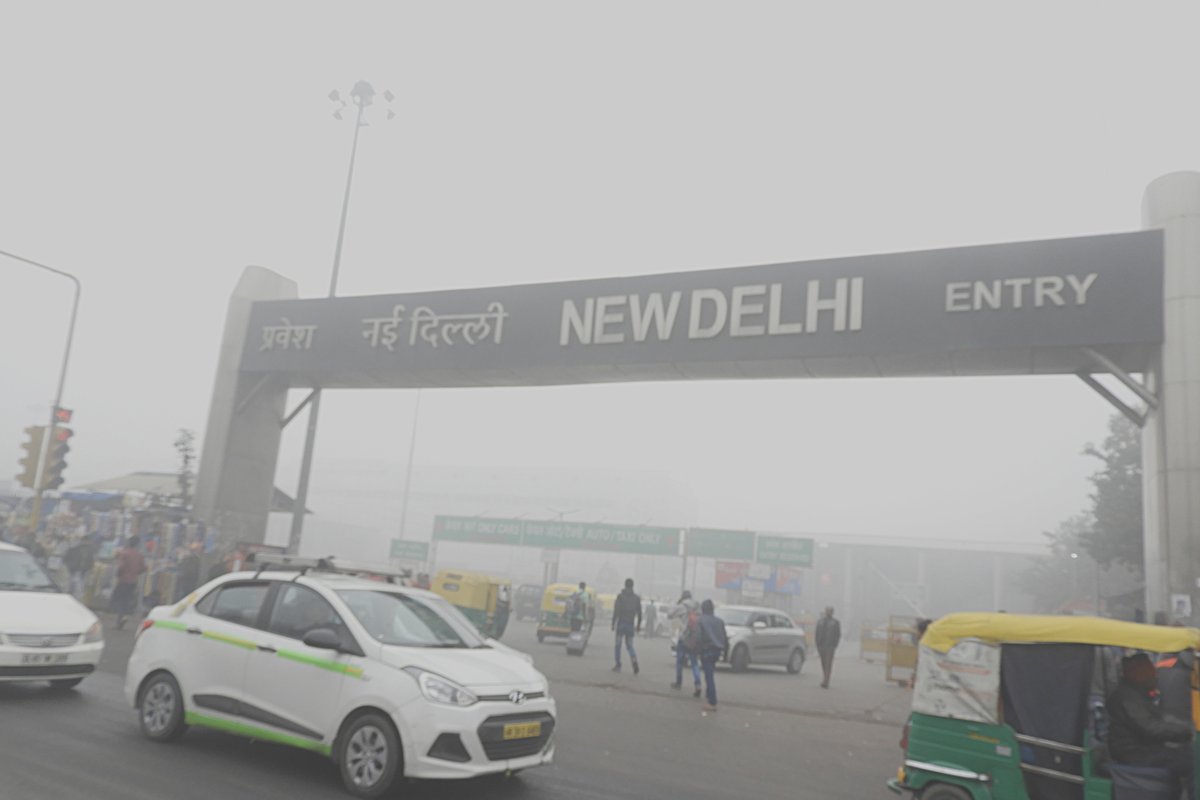
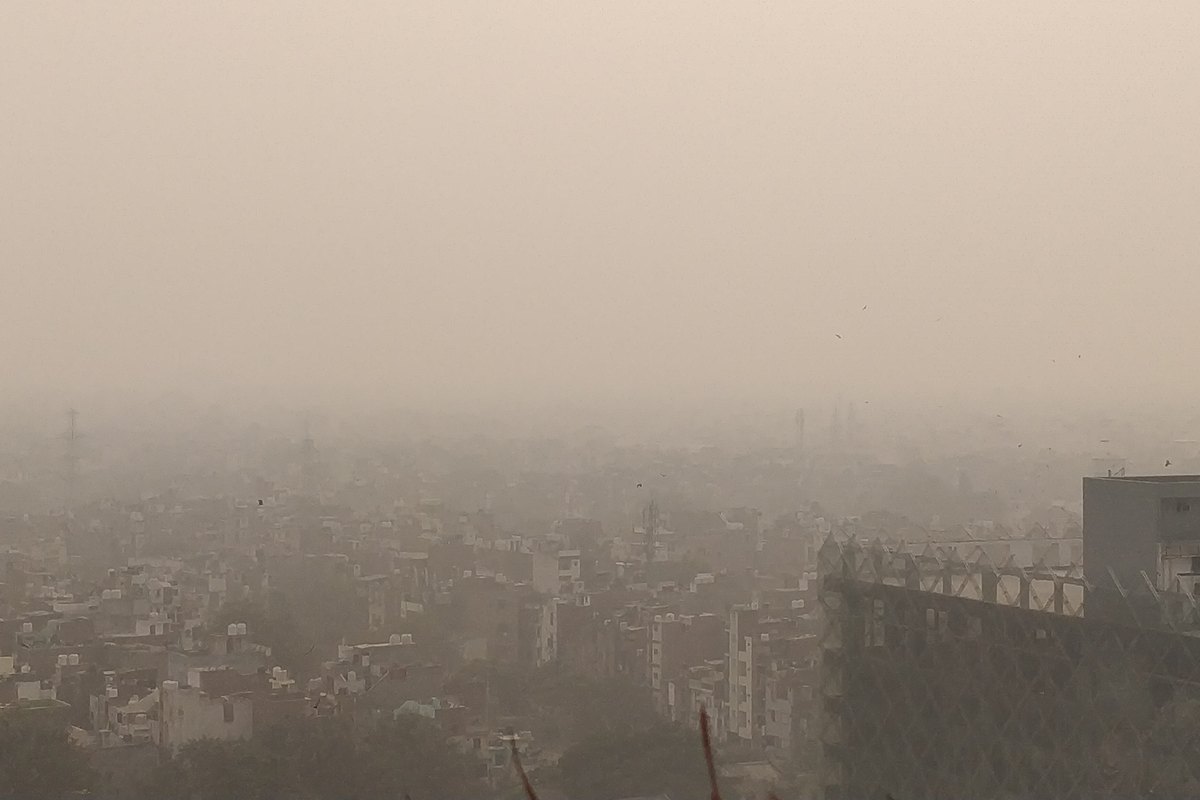
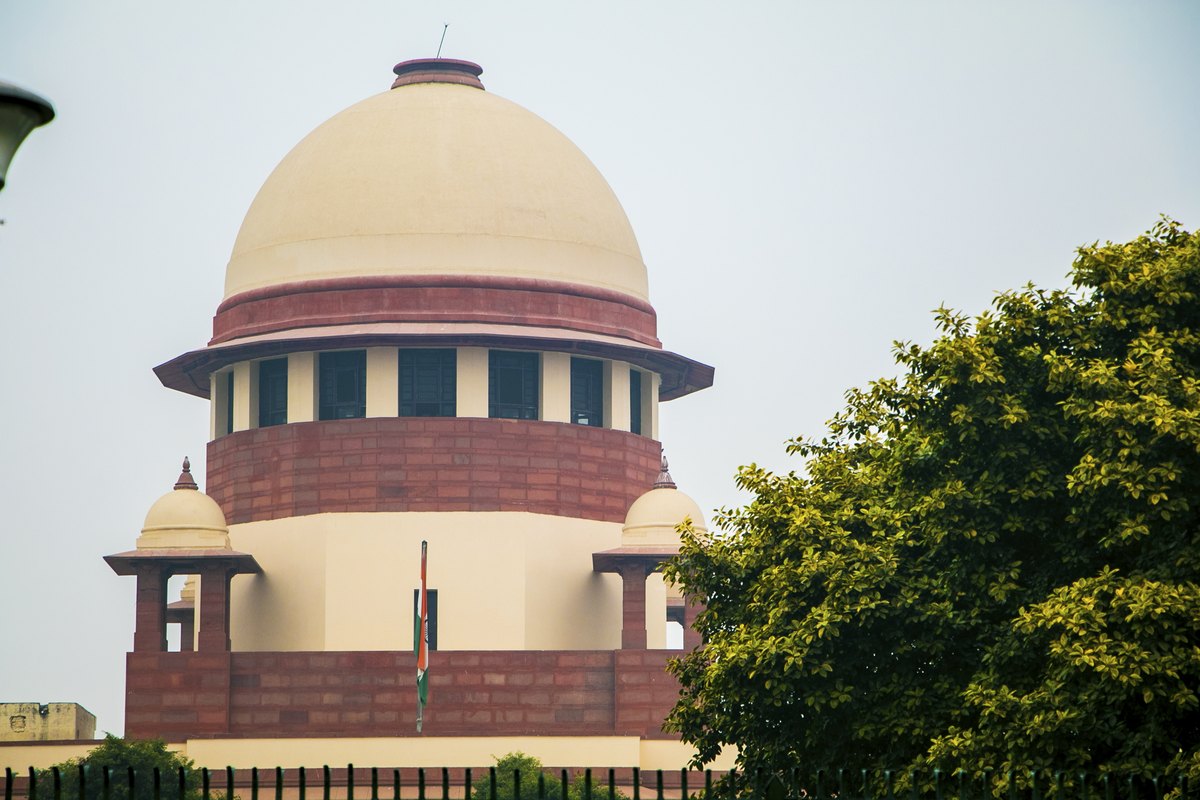
The Supreme Court had allowed green crackers for limited hours on 7 and 8 November and said a complete ban would apply from 9 November, Hindustan Times reported. Delhi's air stayed in the “poor” category on Tuesday, with an AQI of 299 at 4 pm, and slipped to “very poor” at 312 on Wednesday, The Economic Times said. Chamber of Trade and Industry chairman Brijesh Goyal argued that firecrackers were being unfairly blamed and called for more focus on stubble burning, according to ANI.
As The Indian Idiot reported earlier, dozens of Delhi's air monitors went blank on Diwali night, and the city's AQI touched 483 on Diwali morning.
More to read

Behind the story
Read the sources and explore the context for yourself.
- The Indian Express: Delhi's Diwali pollution decoded: Firecrackers accounted for 71%, vehicles 7% (10 Nov 2026)indianexpress.com
- The Economic Times: Firecrackers, vehicle emissions, aerosols among top sources of Delhi pollution, IITM estimates show (11 Nov 2026)economictimes.indiatimes.com
- Hindustan Times: Firecrackers were responsible for 71% of air pollution on Diwali night in Delhi: Study (11 Nov 2026)hindustantimes.com
- The Indian Idiot: Delhi AQI data gap: dozens of air monitors went blank on Diwali nighttheindianidiot.com
- The Indian Idiot: Delhi AQI hits 483 on Diwali after worst festival-eve air in 10 yearstheindianidiot.com