Thai Basil Chicken: The Ultimate Guide To Thailand's Most Addictive Stir-Fry
Have you ever wondered why Thai basil chicken—known as pad krapow gai in Thailand—inspires such fierce loyalty and craving among food lovers worldwide? Is it the explosive punch of holy basil and chilies? The savory-sweet umami of the sauce clinging to every morsel of chicken? Or the simple, profound satisfaction of a perfectly cooked fried egg crowning the whole glorious mess? This isn't just another stir-fry; it's a culinary icon, a street food staple that has transcended its humble origins to become a global phenomenon. Whether you've devoured it from a Bangkok street cart or a trendy Western Thai restaurant, its magnetic appeal is undeniable. This guide will dismantle the dish piece by piece, exploring its history, perfecting your technique, and unlocking the secrets to making an authentic Thai basil chicken that rivals any you've ever tasted.
The Legend of Pad Krapow: A Dish Forged in Thai Street Food Culture
To understand Thai basil chicken, you must first understand its birthplace: the chaotic, aromatic, and vibrant world of Thai street food. Pad krapow is not a dish born in a royal kitchen but in the sizzling woks of street vendors (hawkers) serving hungry workers and students. Its name literally translates to "stir-fried holy basil," with pad meaning stir-fry and krapow referring to the specific, peppery herb that is its soul. While chicken (gai) is the most common protein in the West, the dish's versatility is key to its success. Vendors use whatever is on hand—pork, beef, shrimp, or even tofu—making it a democratic and adaptable masterpiece of Thai cuisine.
The dish's power lies in its balance of extremes: the fierce heat of Thai chilies against the anise-like perfume of holy basil, the deep savory notes of fish sauce and oyster sauce cut by a touch of sugar, all served over a bed of jasmine rice to absorb the magnificent sauce. It is the ultimate comfort food for Thais, a quick, affordable, and deeply flavorful meal available 24/7. Its global rise mirrors the worldwide love for Thai food, which consistently ranks among the most popular cuisines internationally. In fact, according to various global food trend reports, Thai dishes like pad Thai and green curry are perennial favorites, but pad krapow has a fiercely devoted following that often cites it as their top choice for its intense, uncomplicated flavor punch.
The Holy Trinity: Non-Negotiable Ingredients for Authentic Flavor
You cannot make authentic Thai basil chicken with a generic grocery list. The flavor profile is built on a specific, non-negotiable trinity of ingredients that define the dish. Substituting these will result in a delicious stir-fry, but it will not be pad krapow.
1. The Soul: Thai Holy Basil (Krapow)
This is the single most critical component. Thai holy basil (Ocimum tenuiflorum or Ocimum sanctum) is distinct from the sweet basil (Genovese) used in Italian pesto or even the Thai sweet basil (horapha) used in curries. Holy basil has a peppery, clove-like, slightly astringent flavor with hints of anise and mint. When cooked at high heat, its aroma intensifies dramatically, releasing a fragrance that is unmistakably krapow. It wilts quickly but holds its character. If you cannot find fresh holy basil, dried holy basil is a distant second, and sweet basil is a common but incorrect substitute that will change the dish's fundamental identity. Seek it out at Asian grocery stores, farmers markets with Thai vendors, or grow your own—it's a hardy plant.
2. The Heat: Thai Bird's Eye Chilies (Prik Kee Noo)
These small, potent chilies are the engine of heat in traditional pad krapow. Their heat is sharp, immediate, and clean, not slow-building like some other chilies. The number used is a personal and regional preference, but a standard street vendor version might use 5-10 chilies, minced, for a dish serving two. For a milder version, reduce to 1-2. Remove the seeds for less heat. Do not substitute with jalapeños or serranos if you seek authenticity; their flavor profile is different. If you only have larger red chilies, use them, but understand the character will shift. The chilies are typically fried with the garlic and shallots to infuse the oil with their fiery essence before the protein is added.
3. The Umami Foundation: Fish Sauce and Oyster Sauce
The savory depth of pad krapow comes from a combination of fish sauce (nam pla) and oyster sauce. Fish sauce provides the salty, fermented, fishy (in a good way) backbone. Oyster sauce adds a thicker, sweeter, more complex umami with a slight caramel note. A classic ratio might be 1.5 tablespoons fish sauce to 1 tablespoon oyster sauce for a pound of meat. Light soy sauce can be a vegetarian substitute for fish sauce, but it lacks the same fermented depth. For a truly authentic taste, these two sauces are essential. They create the "taste of the sea" that balances the herbal and spicy notes.
Mastering the Technique: The Wok Hei of Home Cooking
The magic of Thai basil chicken happens in minutes, but it demands respect for technique. The goal is "wok hei"—that elusive, smoky, "breath of the wok" flavor that comes from extreme high heat and rapid cooking. On a home stove, we simulate this.
Step 1: Mise en Place (Everything in its Place). This is non-negotiable. Have all ingredients prepped and within arm's reach: chicken minced or sliced, garlic and shallots minced, chilies chopped, basil leaves washed and dried, sauces measured in a small bowl, and a splash of water or stock ready. The actual cook time is under 5 minutes. Any hesitation leads to steamed, not stir-fried, ingredients.
Step 2: Heat the Wok or Pan. Use a carbon steel wok if possible, but a heavy-bottomed skillet or cast-iron pan works. Get it smoking hot before adding oil. A high smoke-point oil like peanut, avocado, or refined coconut oil is best. Swirl to coat. The oil should shimmer and possibly smoke slightly.
Step 3: Fry the Aromatics. Add the garlic, shallots, and chilies. Stir-fry for 15-30 seconds until fragrant and just starting to color. Do not let them burn. This step infuses the oil with the foundational flavors.
Step 4: Cook the Protein. Add the chicken. Spread it in a single layer to make contact with the hot surface. Let it sear for 30 seconds before stir-frying. Cook until it's no longer pink but still slightly underdone, as it will cook further in the sauce. This is usually 2-3 minutes for minced chicken.
Step 5: Sauce and Finish. Push the chicken aside and pour the sauce mixture into the hot spot of the wok. It should sizzle immediately. Stir to combine with the aromatics and chicken. Let it bubble for 30 seconds to thicken slightly. Finally, add the Thai holy basil and toss vigorously for 10-15 seconds until just wilted. The residual heat will cook it perfectly. Remove from heat immediately to prevent the basil from turning black and losing its aroma.
Pro Tip: If your stove struggles to get the pan hot enough, cook in two batches to avoid steaming the ingredients. A wok ring on a gas burner can help concentrate the heat.
The Perfect Plate: Assembly and the Iconic Fried Egg
The presentation of Thai basil chicken is as important as the cooking. It is almost always served over a bed of steamed jasmine rice (khao hom mali). The rice is not a side; it's an essential component that soaks up the glorious, saucy goodness. The ratio should be about 1 cup of cooked rice per serving of pad krapow.
Crowning the dish is the fried egg (khai dao). This is not a soft-poached egg but a crispy-edged, sunny-side-up egg with a runny yolk. The yolk, when pierced, creates a rich, silky sauce that mingles with the basil chicken sauce. To make it: heat a little oil in a small pan, crack in a fresh egg, and cook until the whites are set and crispy at the edges, but the yolk remains liquid. A dash of fish sauce or a sprinkle of white pepper on the egg while cooking is a common street vendor touch.
For serving, garnish with nothing more than perhaps a few extra basil leaves. The dish is about bold, unadorned flavor. The combination of textures—crispy egg, tender chicken, wilted basil, and fluffy rice—is part of its addictive quality.
Health & Nutrition: A Protein-Packed Dish with Caveats
From a nutritional standpoint, Thai basil chicken is a high-protein, low-carb meal when served without excess rice. A typical serving (with 150g of chicken) provides around 300-350 calories, 25-30g of protein, and 15-20g of fat, primarily from the cooking oil and chicken. The herbs and aromatics offer small amounts of vitamins and antioxidants.
However, there are significant considerations:
- Sodium Content: The combination of fish sauce and oyster sauce makes this dish very high in sodium. A single serving can contain over 1000mg of sodium, nearly half the recommended daily limit. Those on low-sodium diets must use reduced-sodium sauces or dilute them with water.
- Oil Usage: Authentic street food uses a fair amount of oil for the wok hei effect. Home cooks can control this by using a non-stick pan and measuring oil (1-2 tbsp for 2 servings).
- Spice Level: The capsaicin in chilies boosts metabolism slightly and has anti-inflammatory properties, but it can irritate sensitive stomachs.
- Balanced Meal: To make it healthier, serve with a large portion of steamed or stir-fried vegetables on the side, like green beans or broccoli, to add fiber and nutrients. Cauliflower rice is a popular low-carb alternative to jasmine rice.
Global Variations and Creative Twists
The genius of Thai basil chicken is its template-like nature, inspiring countless variations while retaining its core spirit.
- Regional Thai Variations: In some regions, ground pork (moo) is more common than chicken. Others add a splash of nam prik pao (roasted chili paste) for a smoky, deeper heat. A touch of palm sugar is sometimes used instead of white sugar.
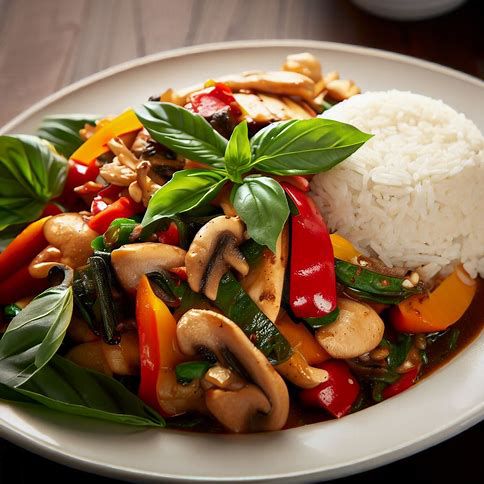
- Westernized Restaurant Versions: Many Western Thai restaurants use Italian sweet basil due to availability, resulting in a milder, sweeter dish. They often tone down the heat significantly and may add bell peppers for color and sweetness. The sauce might be thicker and gloopier from cornstarch.
- Healthy & Dietary Adaptations:
- Vegetarian/Vegan: Use crumbled firm tofu, tempeh, or a plant-based ground "meat." Substitute soy sauce or vegan "fish" sauce for the fish sauce. Ensure oyster sauce is vegan (some contain oysters).
- Low-Carb/Keto: Serve over cauliflower rice or zucchini noodles (zoodles). Ensure sauces are sugar-free or use a keto-friendly sweetener like erythritol.
- Extra Veggie-Loaded: Finely chop mushrooms (shiitake or oyster) and add them with the aromatics. Diced bell peppers or green beans can be added with the chicken for more volume and nutrients.
- Fusion Twists: Some chefs incorporate elements from other cuisines—a dash of smoked paprika for a Spanish note, or the addition of kimchi for Korean fusion. The core technique remains the same, but the flavor profile expands.
Storage, Reheating, and Meal Prep Mastery
Thai basil chicken is an excellent candidate for meal prep, but its components have different storage needs.
- Cooked Chicken Mixture: Store the cooked pad krapow (without basil if you want it freshest) in an airtight container in the refrigerator for 3-4 days. The flavors actually meld and improve overnight.
- Fresh Basil: Store leftover holy basil like fresh herbs: wrap in a damp paper towel and place in a plastic bag in the fridge. It lasts 3-5 days. For longer storage, you can freeze it, but texture will suffer for fresh use. It's better to buy fresh for each cooking session.
- Reheating: Reheat the chicken mixture gently in a pan with a splash of water or oil to prevent drying. Do not microwave if you can help it, as it makes the texture rubbery. Add a few fresh basil leaves at the end of reheating to revive the aroma.
- Assembly: For meal prep, store the chicken mixture and rice separately. Assemble bowls by reheating rice, topping with chicken, and frying a fresh egg just before serving. This maintains the best texture for all components.
Troubleshooting: Common Mistakes and How to Fix Them
Even experienced cooks can stumble with this simple-seeming dish. Here’s how to diagnose and fix issues:
- "My dish tastes bland." This is the most common complaint. Cause: Insufficient frying of aromatics (garlic/shallots/chilies), not using enough salt (fish sauce), or using old, wilted basil. Fix: Fry aromatics until deeply fragrant but not burnt. Taste your sauce before adding—it should be boldly salty, sweet, and savory. Use fresh, vibrant holy basil and add it at the very end.
- "The basil turned black and slimy."Cause: Overcooking the basil or adding it too early. Fix: Add basil in the last 10-15 seconds of cooking, just until it wilts. Turn off the heat immediately. The residual heat will finish it.
- "The dish is too watery."Cause: Adding too much liquid (water/stock) or not reducing the sauce enough. Chicken releases water as it cooks if the pan isn't hot enough. Fix: Ensure your wok is smoking hot before adding chicken to get a good sear. Use the minimal amount of liquid (just enough to help steam the basil at the end). Let the sauce bubble and thicken for 30 seconds after adding.
- "It's not spicy enough (or too spicy)."Cause: Using the wrong chilies or incorrect quantity. Fix: For more heat, increase the number of Thai bird's eye chilies or leave the seeds in. For less, use fewer chilies, remove seeds and membranes, or substitute with a milder chili. Remember, you can always add more heat later with a chili oil garnish, but you can't take it out.
- "It doesn't taste like restaurant pad krapow."Cause: Likely using sweet basil instead of holy basil, or not achieving high enough heat (missing wok hei). Fix: Source Thai holy basil. Get your pan as hot as possible, cook in batches if needed to avoid steaming, and don't be afraid of a little smoke. The charred bits at the bottom of the wok (fond) are flavor gold.
The Cultural Significance: More Than Just a Meal
In Thailand, pad krapow is a cultural touchstone. It is the quintessential "aahaan raan krob" (shophouse food)—humble, accessible, and eaten by everyone from construction workers to office executives. Its status is such that there are annual pad krapow festivals and competitions. It represents Thai ingenuity: taking a few potent, affordable ingredients and transforming them into something greater than the sum of its parts through technique and balance.
For Thais living abroad, a craving for pad krapow is a powerful pang of nostalgia, a direct taste of home. Its simplicity makes it a gateway dish for foreigners new to Thai cuisine—less intimidating than a complex curry but equally rewarding. It embodies the Thai culinary principle of balancing salty (fish sauce), spicy (chilies), sour (lime, sometimes), sweet (sugar), and bitter (basil). Mastering this dish at home means you've grasped a fundamental pillar of Thai cooking.
Conclusion: Your Journey to Pad Krapow Mastery
Making exceptional Thai basil chicken is less about following a rigid recipe and more about understanding the why behind each step. It’s about respecting the power of holy basil, the necessity of high heat, and the alchemy of fish sauce and oyster sauce. It’s a dish that rewards attention to detail but forgives minor adjustments based on your palate. Start with the holy trinity of authentic ingredients, master the quick, hot stir-fry technique, and embrace the ritual of serving it over jasmine rice with a crispy fried egg.
The next time you crave that unmistakable, addictive flavor, you won’t need to order in. You’ll have the knowledge to create it yourself, your kitchen filling with the smoky, peppery perfume of a Bangkok street stall. Thai basil chicken is more than a recipe; it’s a skill, a flavor adventure, and a direct line to the vibrant heart of Thai street food culture. Now, heat your wok, find your holy basil, and get stir-frying. Your taste buds—and your dinner table—will thank you.