Chocolate Lava Cake: The Decadent Dessert That's Easier Than You Think
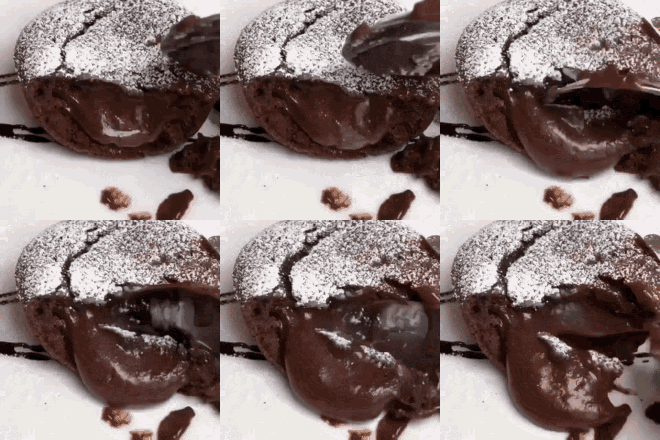
Have you ever sliced into a seemingly ordinary chocolate cake, only to be rewarded moments later with a warm, silky river of molten chocolate flowing onto your plate? That magical moment of discovery is the hallmark of a perfectly executed chocolate lava cake, a dessert that has captivated hearts and taste buds for decades. It’s the ultimate paradox: a cake with a firm, cake-like exterior that gives way to a liquid, intensely chocolatey core. This isn't just a dessert; it's an experience, a showstopper that feels like a gourmet restaurant masterpiece but is surprisingly achievable in a home kitchen. Whether you're a novice baker looking to impress or a seasoned pro seeking the perfect gooey center, understanding the science, technique, and little secrets behind this treat is the key to unlocking its legendary status. This guide will walk you through everything you need to know, from its fascinating history to foolproof methods for achieving that perfect lava flow every single time.
The allure of the chocolate lava cake lies in its dramatic contrast of textures and temperatures. The outer cake is tender and springy, while the interior is a warm, viscous ganache that feels like liquid silk. This combination hits all the right notes for a chocolate lover: a crisp exterior, a molten center, and a deep, sophisticated cocoa flavor. It’s a dessert that feels indulgent and special, perfect for celebrations, romantic dinners, or simply because you deserve a little luxury. But beneath its elegant presentation lies a surprisingly simple concept: an underbaked custard. The "lava" isn't magic; it's a carefully calibrated batter where the edges set while the center remains soft and fluid. Mastering this balance is the difference between a disappointing dry cake and a breathtaking culinary moment.
In the pages that follow, we’ll demystify this iconic dessert. We’ll travel back to its accidental invention in a New York kitchen, break down the food science that makes the lava possible, and provide a meticulously tested, easy chocolate lava cake recipe with pro-level tips. We’ll troubleshoot common pitfalls, explore creative variations, and answer all your burning questions about storage, reheating, and make-ahead strategies. By the end, you’ll not only have the knowledge to bake a flawless molten chocolate cake but also the confidence to adapt and experiment, making this spectacular dessert a reliable star in your culinary repertoire. Get ready to transform your next dessert course from ordinary to unforgettable.
The Fascinating History of Chocolate Lava Cake
An Accidental Discovery in New York
The story of the chocolate lava cake is a classic tale of culinary serendipity, and it all begins in the early 1980s at the famed restaurant Le Bernardin in New York City. The credited inventor is the legendary chef Jean-Georges Vongerichten, who, according to lore, was attempting to bake a traditional chocolate cake. In a moment of either haste or intuition, he pulled the cakes from the oven too early. Expecting a dry, undercooked disaster, he instead discovered that the exterior was perfectly set while the center remained a luscious, warm liquid. This happy accident wasn't just a mistake; it was the birth of a phenomenon. The dessert was an instant hit, offering diners a novel, interactive experience—the thrill of breaking through a cake to reveal hidden treasure. This accidental creation perfectly captured the late 20th-century dining trend towards experiential and theatrical desserts, where the act of eating became part of the entertainment.
The technique quickly spread from high-end restaurants to the broader culinary world. Its popularity was fueled by its impressive presentation and the sheer delight of the molten surprise. Within a few years, chocolate lava cake became a staple on dessert menus across America and eventually the globe, a symbol of indulgence and chef-driven creativity. What’s fascinating is how a simple error in timing birthed a dessert so precise that it now requires intentional, careful execution. The "accident" is now a deliberate technique, a testament to how innovation often arises from unexpected results. This history underscores a key lesson for home bakers: sometimes, understanding the why behind a method is more important than rigidly following a rule.
From Restaurant Staple to Home Kitchen Favorite
While the molten chocolate cake reigned supreme in fine dining for years, its transition to home kitchens was inevitable. Food magazines, cooking shows, and later, the internet, began sharing recipes that promised the restaurant experience at home. The challenge was adapting a technique designed for commercial convection ovens and precise restaurant timing to unpredictable home ovens. Early home recipes often resulted in either fully baked cakes or complete collapses, leading to frustration. However, as bakers shared tips and recipes were refined, a reliable formula emerged. The key was recognizing that the "lava" is essentially a underbaked chocolate custard, stabilized by the surrounding cake batter.
Today, the chocolate lava cake is a beloved classic for home entertaining. It’s a go-to for Valentine’s Day, anniversaries, and birthday dinners because it feels extravagant yet is made from pantry staples. Its status has been cemented by its appearance in countless cookbooks, food blogs, and even pre-made mixes. This democratization of a once-exclusive dessert is a perfect example of how culinary trends trickle down. The home version has also inspired countless adaptations, from flavor infusions to gluten-free and vegan takes, proving the robustness of the core concept. The journey from a chef’s happy accident to a worldwide dessert icon illustrates how a single, brilliant idea can evolve and permeate every level of food culture, all because it delivers a moment of pure, unadulterated joy.
The Science Behind the Perfect Lava Center
The Role of Ingredients in Creating the Molten Core
Achieving that signature molten chocolate center isn't magic—it's a precise interplay of ingredients and physics. At its heart, a lava cake is a hybrid: a thin layer of cake batter surrounding a core of rich, unbaked chocolate custard. The custard’s liquid state is due to its high fat and egg content, which sets at a higher temperature than the flour-based cake edges. The primary players are chocolate and butter, which form the ganache-like base. When melted together, they create a stable, glossy mixture. The eggs, particularly the yolks, are crucial. They provide emulsification and structure but, when not fully coagulated, remain fluid. The small amount of flour and sugar in the batter contributes to the set exterior without thickening the center too much.
Understanding the role of each component allows for intelligent substitutions. For instance, using high-quality chocolate with a higher cocoa butter content (around 54-60%) ensures a smoother, more fluid lava. Cocoa butter has a lower melting point than the chocolate solids, contributing to the liquid center. The ratio of egg whites to yolks also matters. Some recipes use more yolks for a richer, creamier center, while others use whole eggs for a slightly firmer set. Sugar not only sweetens but also interferes with protein coagulation, helping to keep the center soft. This is why reducing sugar can sometimes lead to a firmer, less gooey result. The science is clear: the lava cake center is a carefully engineered suspension of fat, cocoa solids, and eggs that remains liquid at baking temperatures that set the surrounding flour-based matrix.
Why Baking Time is Everything
If the ingredient ratios set the stage, baking time is the conductor of the symphony. This is the single most critical variable in chocolate lava cake success. The goal is to bake just long enough for the edges to set into a tender cake while the center remains below the coagulation point of the egg yolks and chocolate. This window is astonishingly small—often just 8 to 12 minutes in a hot oven (around 425°F or 220°C). An extra minute can mean the difference between a glorious river of chocolate and a dry, fully baked cake. The heat must penetrate from the outside in, creating a gradient of doneness.
Several factors influence this timing. Ramekin material matters: ceramic or porcelain retains heat differently than metal, requiring slight adjustments. Oven calibration is huge; a convection oven will cook faster than a conventional one. The starting temperature of the batter—if it’s cold from the fridge, it will need a minute or two longer. The most reliable test is visual: the edges should be puffed and set, while the top may look slightly underdone and soft to the touch. A gentle jiggle of the ramekin should show a slight movement in the center, like Jell-O. Learning to read these cues is more effective than relying solely on the clock. Remember, carryover cooking will continue once the cakes are out of the oven, so pulling them out when the center looks almost set is key. This delicate balance is what makes the lava cake both thrilling and slightly intimidating, but with practice, it becomes second nature.
Essential Ingredients for Success
The Chocolate: Quality Over Quantity
In a dessert where chocolate is the star, its quality is non-negotiable. For the best chocolate lava cake, you need baking chocolate or high-quality chocolate chips with a cocoa content between 54% and 70%. This range provides a deep, complex flavor without being overly bitter or sweet. Avoid using chocolate chips labeled "melting" or "baking" wafers, as they often contain stabilizers that can affect texture. The chocolate should be chopped finely for even melting. Couverture chocolate, with its higher cocoa butter content, will yield the silkiest lava but is more expensive and can be trickier to work with. For most home bakers, a good-quality semisweet or bittersweet baking bar from a reputable brand is the sweet spot.
The type of chocolate also influences the final flavor profile. A bittersweet chocolate (70%) will give a more intense, sophisticated cocoa taste, while a semisweet (60%) is a bit milder and sweeter, often preferred by those who find dark chocolate too strong. Consider a blend: using 70% for part of the chocolate and 60% for the rest can create a nuanced flavor. Never use milk chocolate for the lava center; its lower cocoa solids and higher milk content will not set properly and will likely result in a runny, unstable mess. The chocolate is the soul of your molten chocolate cake, so investing in a decent bar is the first step toward success.
Butter, Eggs, and Sugar: The Supporting Cast
Unsalted butter is essential for controlling salt levels. It should be melted and cooled slightly before mixing with the chocolate to prevent the eggs from cooking if added too hot. The butter contributes richness and a tender crumb to the cake edges. Eggs provide structure, leavening, and emulsification. Using room-temperature eggs is crucial; they incorporate more easily into the batter, creating a more uniform emulsion that bakes evenly. Some recipes call for separating eggs, using yolks for the lava and whipped whites for a lighter cake exterior. This is a more advanced technique but yields an exceptionally airy edge.
Granulated sugar sweetens the batter and, as mentioned, helps inhibit gluten formation and protein coagulation. It also contributes to a slightly crisp crust. The amount of sugar can be tweaked slightly based on the chocolate’s sweetness, but drastic reductions will alter the texture. For a more complex flavor, you can substitute up to 1/4 of the granulated sugar with light brown sugar, which adds a subtle caramel note and moisture. These supporting ingredients may seem simple, but their precise measurement and proper handling are what transform a chocolate-butter mixture into a cohesive, bakeable batter that performs its dual function flawlessly.
Flour: The Structural Component
In a chocolate lava cake, flour is used sparingly—just enough to provide structure to the outer cake without thickening the center. Typically, only 2-3 tablespoons of all-purpose flour are used for a 4-serving recipe. This minimal amount means the gluten development must be carefully managed. Overmixing the batter once the flour is added is a cardinal sin; it develops gluten, leading to a tough, dense cake edge instead of a tender, cakey one. The flour should be sifted with any other dry ingredients (like a pinch of salt or a teaspoon of espresso powder) and folded in gently until just combined.
Some adventurous bakers experiment with alternative flours. Gluten-free all-purpose flour blends can work 1:1, but results may vary in texture. Using a small amount of almond flour or cocoa powder (in addition to the melted chocolate) can enhance flavor and structure for those avoiding gluten, but these additions require careful adjustment of liquids. The key takeaway is that flour’s job is not to make a fluffy cake but to create a thin, set shell that contains the molten core. Respect its limited role, and your lava cake will have the perfect contrast between firm edge and soft center.
Step-by-Step Guide to Homemade Chocolate Lava Cake
Equipment You'll Need
The right tools make the process smoother and ensure consistent results. You’ll need 4-6 ramekins (4-6 ounce capacity). Ceramic or porcelain is ideal for even heat distribution. Metal ramekins will cook faster and may brown too much on the edges. A kitchen scale is highly recommended for precision, especially for weighing chocolate and butter. A double boiler or a heatproof bowl set over a pan of simmering water is the safest way to melt chocolate and butter without scorching. A whisk and a rubber spatula are essential for mixing. A pastry brush is useful for greasing ramekins with butter and then dusting with cocoa powder or flour. Finally, an oven thermometer is a wise investment to verify your oven’s actual temperature, as many home ovens run hot or cold.
Preparing the Ramekins: The Non-Negotiable Step
This step is absolutely critical for easy release and a clean presentation. Greasing and flouring (or cocoa-dusting) the ramekins is mandatory. Start by brushing the insides generously with softened butter, paying special attention to the corners and up the sides. Then, dust each ramekin with unsweetened cocoa powder (preferred for its dark color and lack of sweetness) or all-purpose flour, rotating to coat evenly, and tapping out the excess. The cocoa powder prevents any potential white flour streaks and adds a subtle chocolate flavor to the cake’s exterior. Some bakers also use a combination: butter, then cocoa, then a light dusting of flour for extra insurance. Do not skip this, even if your ramekins are non-stick. The batter is delicate and will stick without this barrier, turning your elegant dessert into a frustrating crumbly mess.
Mixing the Batter: Technique Matters
Begin by melting the chopped chocolate and butter together in a double boiler, stirring until smooth. Allow this mixture to cool slightly—it should be warm, not hot, to avoid cooking the eggs. In a separate bowl, whisk together the eggs and sugar until well combined, pale, and slightly thickened. This incorporates air and ensures the sugar is fully dissolved. Gently pour the warm chocolate-butter mixture into the egg-sugar mixture while whisking constantly. This tempers the eggs, preventing them from scrambling. Then, sift in the flour (and salt, if using) and fold gently with a spatula until just incorporated. The batter will be thick, glossy, and smooth. Do not overmix at this stage. A few small lumps of flour are better than overworked batter. The final batter should be thick enough to coat the back of a spoon but still pourable.
Baking and Testing for Doneness
Preheat your oven to 425°F (220°C). Place the prepared ramekins on a baking sheet for easy handling. Divide the batter evenly among the ramekins, filling them about 3/4 full. Tap the sheet gently on the counter to release any large air bubbles. Bake for 9-12 minutes. Start checking at the 8-minute mark. The cakes are done when the edges are set and puffed, the tops look dry and slightly cracked, and the centers jiggle slightly when the ramekin is shaken. Do not bake until the tops look fully set; they will continue to cook from residual heat. If you gently press the center with a fingertip (carefully!), it should feel soft but not liquid. This visual and tactile test is more reliable than the clock, as oven temperatures vary. Remember, underbaking is the goal; you can always bake a minute more, but you can’t undo overbaking.
Inverting and Serving Immediately
The moment of truth has arrived. Have your serving plates ready. Run a thin, sharp knife around the edge of each ramekin to loosen the cake. Place a plate upside-down over the ramekin. Holding the plate and ramekin together firmly with a kitchen towel or oven mitt (they will be hot), invert them in one confident motion. The cake should release with a soft plop. If it sticks, give it a gentle shake or tap on the bottom. Serve immediately. The lava cake is a fleeting masterpiece; the center will begin to set within a minute or two of being inverted. For the full experience, your guests should cut into it right away to witness the warm chocolate flow. This immediacy is part of the magic, so time your baking to coincide perfectly with the end of your meal.
Common Mistakes and How to Avoid Them
Overbaking: The #1 Enemy of Lava
This is the most frequent and heartbreaking error. An overbaked chocolate lava cake has no lava—just a dry, solid chocolate cake. The causes are usually an oven that runs too hot, baking for too long, or using ramekins that are too large (which spreads the batter thin and cooks it faster). The solution is vigilance. Use an oven thermometer to confirm temperature. Start checking at the minimum time in the recipe. Learn the visual cues: set edges, a slightly cracked top, and a jiggly center. If your first attempt is overbaked, adjust the time down by a minute or two next time. Remember, it’s better to slightly underbake and have a very soft center than to overbake. The residual heat will finish the job once it’s out.
Skipping the Greasing and Dusting Step
We’ve touched on this, but it bears repeating. Forgetting to properly prepare the ramekins is a guaranteed way to have a lava cake that refuses to release. The batter is essentially a rich, delicate custard that will bond with any ungreased surface. Even a tiny spot missed with butter will cause sticking. Take the time to brush every nook and cranny with softened butter and then dust thoroughly with cocoa powder. The cocoa powder also acts as a secondary barrier and adds flavor. After inverting, if a cake sticks, gently run a knife around the edges again while it’s still in the ramekin, then try inverting once more. But prevention is infinitely easier than rescue.
Using the Wrong Chocolate
As emphasized, chocolate choice is pivotal. Using low-quality chocolate or chocolate chips with additives will yield a waxy, dull lava that may not flow properly. Milk chocolate is too soft and sweet. White chocolate lacks cocoa solids and won’t create a true "lava." Stick to bittersweet or semisweet baking chocolate with 54-70% cocoa. Also, ensure your chocolate and butter are melted together and cooled properly. If the chocolate mixture is too hot when added to the eggs, it will cook them, creating a scrambled, grainy texture. The mixture should be warm to the touch, not steaming. Let it sit for 5-10 minutes after melting before combining with the eggs.
Delicious Variations to Try
White Chocolate Lava Cake
For a sweeter, more delicate twist, substitute the dark chocolate with high-quality white chocolate (use about 10% more by weight, as white chocolate is less dense). The "lava" will be a creamy, vanilla-infused white chocolate ganache. To balance the sweetness, add the zest of an orange or a tablespoon of citrus liqueur like Grand Marnier to the batter. You can also swirl a teaspoon of raspberry or strawberry jam into the center of each ramekin before adding the batter for a fruity surprise. Garnish with fresh berries and a dusting of powdered sugar.
Peanut Butter Swirl Lava Cake
Chocolate and peanut butter are a match made in heaven. For this variation, mix 1/4 cup of smooth peanut butter with 2 tablespoons of powdered sugar and a pinch of salt until smooth. After filling the ramekins with chocolate batter, drop a teaspoon of the peanut butter mixture into the center. It will melt and swirl during baking, creating a molten peanut butter core that mingles with the chocolate lava. You can also add 1/4 cup of chopped peanut butter cups to the batter for chunks of peanut butter chocolate throughout. Serve with a drizzle of chocolate sauce and a sprinkle of crushed peanuts.
Boozy Lava Cakes: Espresso, Bourbon, and More
Infusing your chocolate lava cake with liqueurs or spirits adds a sophisticated adult note. Espresso powder (1-2 teaspoons dissolved in the warm chocolate-butter mixture) deepens the chocolate flavor without making it taste like coffee. For a boozy kick, add 1-2 tablespoons of liqueur like Kahlúa, Amaretto, Bourbon, or Grand Marnier to the melted chocolate-butter mixture. The alcohol evaporates somewhat during baking, leaving behind a flavorful essence. For a minty twist, use peppermint schnapps and garnish with a candy cane. Be cautious with the amount; too much liquid can affect the set of the cake. These variations are perfect for dinner parties and make the dessert feel extra special.
Serving Suggestions and Pairings
Classic Companions: Ice Cream and Berries
The classic accompaniment to a hot chocolate lava cake is a scoop of good-quality vanilla ice cream. The contrast between the warm, molten center and the cold, creamy ice cream is heavenly. For an extra touch, use vanilla bean ice cream or a salted caramel variety. Fresh berries—raspberries, strawberries, or blackberries—add a bright, acidic counterpoint to the rich chocolate. A simple dusting of powdered sugar or a drizzle of chocolate sauce or raspberry coulis elevates the presentation. For a restaurant-worthy plate, pipe a line of sauce on the plate, place the cake in the center, add a quenelle of ice cream, and scatter a few berries around. A sprig of mint adds a pop of color.
Beverage Pairings: From Milk to Wine
Choosing the right drink can enhance the dessert experience. For a family-friendly option, cold milk or a milkshake is a nostalgic pairing. For adults, consider a dessert wine like a Ruby Port or a Banyuls, whose sweetness and fruitiness complement the chocolate without overpowering it. A glass of cold milk stout (like Left Hand Milk Stout) offers a creamy, coffee-chocolate harmony. For coffee lovers, a small cup of espresso or a caffè mocha doubles down on the chocolate theme. If you’re serving a boozy lava cake, match the liqueur in the cake with a similar note in the drink, like a Bourbon with a bourbon-infused cake. The goal is balance: the beverage should cleanse the palate and highlight the dessert’s flavors, not compete with them.
Storage, Reheating, and Make-Ahead Tips
Can You Refrigerate or Freeze Lava Cakes?
The nature of a chocolate lava cake makes it best served immediately from the oven, as the center is designed to be liquid and will firm up significantly as it cools. However, you can prepare components ahead. The batter can be made up to 2 days in advance and stored in the refrigerator in a covered container. Give it a quick whisk before using, as it may separate slightly. The baked, cooled cakes can be refrigerated for up to 2 days, but the lava will solidify completely, turning into a dense, fudgy cake. They can be gently reheated, but the results are never as perfect as fresh-from-the-oven. Freezing is not recommended for the assembled cakes, as the ice crystals can disrupt the delicate texture of the custard center. If you must freeze, do so after baking and cooling, wrapped tightly, for up to 1 month, but expect a compromised texture upon thawing and reheating.
Reheating Without Overcooking
If you have leftover baked cakes (or if you need to make them ahead for a party), you can reheat them, but it requires care. Do not microwave; it will cook the exterior unevenly and likely overcook the center. The best method is to reheat in a preheated 350°F (175°C) oven for 5-8 minutes, just until warm to the touch. Check frequently. Alternatively, you can use a steam method: place the cake in a ramekin, cover the ramekin tightly with foil, and set it over a pan of simmering water on the stove for 4-6 minutes. The steam gently warms the cake through without further baking the exterior. Serve immediately after reheating. For a party, you can bake the cakes slightly less (about 2 minutes under), let them cool completely, then reheat all at once just before serving. This is a professional trick that allows for perfect timing during a dinner party.
Frequently Asked Questions About Chocolate Lava Cake
Q: Why didn't my lava flow?
A: The most common reasons are overbaking (the center fully set) or batter too cold when it went into the oven (it needs a hot start to set the edges quickly). Ensure your oven is properly preheated and start checking at the minimum bake time. Also, using too much flour or not enough chocolate/butter in the batter can result in a firmer center.
Q: Can I make chocolate lava cake in a different pan?
A: While ramekins are traditional and provide the ideal ratio of edge to center, you can use a muffin tin (for individual cakes) or even a single, larger soufflé dish for a shared dessert. Adjust baking time: larger volumes need slightly longer, but the risk of overbaking the center increases. For a single cake, bake at 400°F for 12-15 minutes, checking for jiggle.
Q: Can I make the batter ahead of time?
A: Yes! As mentioned, the batter can be refrigerated in a sealed container for up to 48 hours. Let it come to room temperature for 30 minutes before filling ramekins and baking. You can also fill the prepared ramekins with batter, cover, and refrigerate for a few hours. Add 1-2 minutes to the baking time if starting from cold.
Q: What’s the difference between chocolate lava cake and chocolate fondant?
A: The terms are often used interchangeably, but traditionally, a chocolate fondant (French for "melted") is a more precise term for the cake with a liquid center. "Lava cake" is a more popular, descriptive American term. Some chefs distinguish a fondant as having a more cake-like, soufflé-like texture, while a lava cake is denser and more custardy. In practice, they refer to the same concept.
Q: How do I know if my oven is accurate?
A: Use an oven thermometer. Place it in the center of your oven and preheat. Compare the reading to your oven’s setting. If there’s a discrepancy, adjust your oven’s calibration (consult your manual) or simply bake at the temperature shown on the thermometer. This small step can solve many baking mysteries.
Q: Can I make a vegan or gluten-free version?
A: Yes, but substitutions require care. For gluten-free, use a 1:1 gluten-free all-purpose flour blend. For vegan, replace eggs with a mixture of aquafaba (chickpea brine) whipped to soft peaks for lift and ground flaxseed mixed with water for binding. Use coconut oil or a vegan butter substitute for the butter, and ensure your chocolate is dairy-free. The texture will differ, but a molten center is possible with experimentation.
Conclusion
The chocolate lava cake is more than just a recipe; it’s a masterclass in culinary contrast and timing. From its accidental birth in a bustling New York kitchen to its status as a global symbol of decadence, this dessert has earned its place in the pantheon of classics. By understanding the science—the delicate balance between a set exterior and a fluid core—and mastering the key techniques of ingredient quality, precise mixing, and vigilant baking, you can consistently create a dessert that elicits gasps of delight. The beauty of this guide is that it empowers you to move beyond fear and into creative exploration, whether you’re sticking to the classic or swirling in peanut butter, infusing with bourbon, or adapting for dietary needs.
So, the next time you crave a moment of pure, unadulterated indulgence, remember that the magic of the molten chocolate cake is well within your reach. It requires no special equipment, just attention to detail and the confidence to trust your senses over the clock. Preheat your oven, prepare your ramekins with care, and get ready to serve a dessert that never fails to impress. That moment when the warm chocolate flows forth is the payoff for a little patience and precision—a delicious reminder that sometimes, the most spectacular results come from the simplest, most carefully executed ideas. Now, go forth and create your own lava cake magic. Your kitchen, and your taste buds, will thank you.