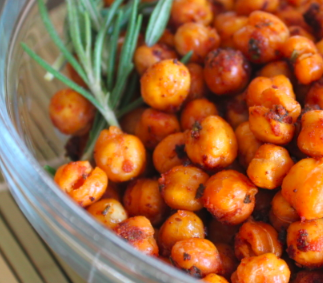
The Ultimate Guide To Roasted Chickpeas: Crunchy, Healthy, And Irresistible Snacks
Have you ever cracked open a can of chickpeas, drained them, and wondered what magic could transform these humble, soft legumes into the perfect crunchy snack? The answer is simpler—and more delicious—than you might think: roasting. Roasted chickpeas have surged from a clever kitchen hack to a global snack phenomenon, gracing grocery store aisles and becoming a staple in health-conscious pantries worldwide. But this isn't just about a satisfying crunch; it's about unlocking a nutritional powerhouse, a versatile culinary canvas, and a sustainable snacking solution that fits seamlessly into any lifestyle. Whether you're a busy professional, a fitness enthusiast, or simply someone who loves a good, flavorful bite, understanding the world of roasted chickpeas will revolutionize your snack game. This comprehensive guide will walk you through everything from the science of achieving ultimate crispness to endless flavor possibilities, ensuring you never look at a can of chickpeas the same way again.
Why Roasted Chickpeas Are the Snack Revolution You've Been Waiting For
The journey of the chickpea from a soft, canned staple to a crunchy, roasted delight represents a perfect storm of nutrition, convenience, and taste. In a world saturated with highly processed, nutrient-poor snacks, roasted chickpeas offer a beacon of hope for those seeking guilt-free satisfaction. They bridge the gap between a healthy staple and a craveable treat, making them a cornerstone of modern mindful eating. Their appeal isn't a fleeting trend; it's built on solid fundamentals of plant-based protein, dietary fiber, and incredible adaptability. This section dives deep into what makes roasted chickpeas a non-negotiable item in your kitchen, exploring their nutritional credentials and the fundamental principles that separate a soggy attempt from a golden, crispy masterpiece.
The Unbeatable Nutritional Profile of Your New Favorite Snack
Let's start with the hard facts. A single ½-cup serving of cooked chickpeas provides about 7 grams of plant-based protein and 6 grams of soluble and insoluble fiber. When roasted, they become a concentrated source of these nutrients in a lightweight, crunchy form. This combination is a powerhouse for several reasons. The protein helps promote feelings of fullness and supports muscle repair, making roasted chickpeas an excellent post-workout or mid-afternoon pick-me-up. The fiber, particularly the soluble type, feeds the beneficial bacteria in your gut, supporting digestive health and contributing to stable blood sugar levels, which helps avoid the energy crashes associated with sugary snacks.
Beyond protein and fiber, chickpeas are rich in essential vitamins and minerals. They are an excellent source of folate (vitamin B9), crucial for cell growth and metabolism, and manganese, a trace mineral involved in bone formation, blood clotting, and reducing inflammation. They also provide significant amounts of iron, phosphorus, and B-vitamins like thiamine and B6. For those following vegan or vegetarian diets, they offer a vital source of iron and protein that is often harder to obtain from plant sources alone. The roasting process itself doesn't destroy these nutrients; in fact, it can make some minerals more bioavailable. This means when you crunch into a roasted chickpea, you're not just enjoying a tasty snack—you're fueling your body with a complex array of essential nutrients that support overall vitality and long-term health.
The Science of Crisp: Mastering the Roasting Technique
So, why do some batches of roasted chickpeas turn out gloriously crispy while others are disappointingly chewy or soft? The answer lies in moisture management and heat application. The primary enemy of crispness is water. Canned chickpeas contain a significant amount of liquid trapped within their starchy interior and on their surface. The first and most critical step is drying them thoroughly. After draining, spreading them on a clean kitchen towel or paper towels and patting them dry is non-negotiable. For best results, let them air-dry for 15-20 minutes after patting.
The second key is removing the loose skins. While not mandatory, rubbing the dried chickpeas between your hands or a clean towel will loosen and discard many of the thin, papery skins. These skins trap steam and moisture during roasting, preventing the chickpea interior from drying out and crisping properly. Removing them exposes more surface area to direct heat, resulting in a more uniformly crisp texture.
Temperature and timing are the final pieces of the puzzle. A hot oven, typically between 400°F (200°C) and 425°F (220°C), is ideal. The high heat rapidly evaporates residual moisture and creates a Maillard reaction—the chemical process responsible for browning and developing complex, savory flavors. Roasting time varies (25-40 minutes) depending on size and desired crispness. They must be stirred or shaken halfway through for even cooking. The ultimate test of doneness is the cooling test: chickpeas will crisp up significantly as they cool on the baking sheet. If they feel soft straight from the oven, they often need a few more minutes. Patience is a virtue here; resist the urge to eat them hot and soft!
Flavor is Your Canvas: A World of Seasoning Possibilities
This is where the true fun begins. The mild, nutty base flavor of chickpeas makes them the ultimate neutral canvas for any spice blend or seasoning profile you can imagine. The possibilities are limited only by your imagination, allowing you to create custom snacks that cater to any craving or cuisine. The general rule is to toss the thoroughly dried chickpeas in oil and seasonings before roasting. The oil helps the spices adhere and promotes even browning.
For classic flavors, think smoked paprika, garlic powder, and a pinch of cayenne for a savory, slightly spicy kick. Cumin and coriander offer a warm, earthy, almost Mexican-inspired note. For something umami-rich, try a mix of nutritional yeast, onion powder, and a dash of tamari or soy sauce (add the liquid sauce after roasting while they're still hot for best adhesion). Sweet tooth? Toss with a little cinnamon, coconut sugar, and a pinch of salt before roasting. Global inspirations are easy: za'atar for Middle Eastern flair, curry powder for Indian vibes, or everything bagel seasoning for an all-purpose favorite. You can also experiment with fresh herbs like rosemary or thyme (add them in the last 5 minutes of roasting to prevent burning) or a squeeze of fresh citrus juice after roasting for brightness. The key is to start with a base recipe and then get creative, tasting as you go.
From Pantry Staple to Gourmet Snack: Practical Applications and Creative Recipes
Understanding the "how" and "why" is just the beginning. The real joy of roasted chickpeas comes from integrating them into your daily life in exciting ways. They are far more than just a standalone snack eaten from a bowl. Their versatile texture and flavor-absorbing quality make them a fantastic ingredient that can elevate salads, soups, grain bowls, and even desserts. This section explores the practical, everyday applications of roasted chickpeas, providing actionable ideas to ensure you get the most out of every batch. We'll also troubleshoot common problems and share secrets for long-term storage that maintain that coveted crunch.
Beyond the Bowl: Innovative Ways to Use Roasted Chickpeas
Think of roasted chickpeas as the crunchy, protein-packed equivalent of croutons. Toss a handful into your favorite green salad for a nutrient-dense, gluten-free crunch that holds up better than bread-based croutons, even with dressing. They are a game-changer in grain bowls like quinoa or farro, adding textural contrast to soft grains, roasted vegetables, and creamy dressings. For soup lovers, use them as a topping for chili, lentil soup, or tomato soup instead of crackers or oyster crackers. They add substance and a wonderful textural element.
Their utility extends to main dishes, too. Crushed roasted chickpeas make an excellent, breadcrumb-free coating for chicken or fish before baking or air-frying, providing a crispy, flavorful crust. They can be pulsed in a food processor to create a chickpea "panko" for casserole toppings. For a quick, protein-forward snack plate, pair them with nuts, seeds, and dried fruit. And for the adventurous, there's even a trend of using them in sweet applications: toss with melted dark chocolate and a pinch of sea salt for a decadent, healthier treat, or mix into trail mix with cacao nibs and coconut flakes. Their adaptability means one batch can serve multiple purposes throughout your week.
Troubleshooting: Why Are My Roasted Chickpeas Soggy? (And How to Fix It)
This is the most common frustration for beginners. If your chickpeas are soft, chewy, or lose crispness quickly, here is your diagnostic and fix list:
- Insufficient Drying: This is the #1 culprit. After draining, you must pat them bone-dry with towels and let them air-dry for at least 15 minutes. Any surface moisture will steam them instead of roasting them.
- Skipping the Skin Removal: While not always fatal, the skins are moisture traps. Taking the 2 minutes to rub them off in a towel makes a massive difference in final crispness.
- Oven Temperature Too Low: Your oven must be fully preheated. An oven that hasn't reached temperature will stew the chickpeas in their own moisture. Use an oven thermometer to verify accuracy if you suspect your oven runs cool.
- Crowding the Pan: If chickpeas are touching, they steam each other. Use a large, rimmed baking sheet and spread them in a single, even layer with space between each. Roast in multiple batches if necessary.
- Under-Roasting: They must roast until deeply golden and firm. They will crisp as they cool, but if they are pale and soft coming out, they need more time. The cooling test is your best friend.
- Humidity: On very humid days, roasted chickpeas can absorb moisture from the air and soften faster. Store them in an absolutely airtight container with a food-safe desiccant packet (like those from seaweed snacks) for best results.
Storing for Maximum Crunch: Keeping Your Roasted Chickpeas Fresh
Proper storage is essential for enjoying your batch over several days. The cardinal rule is to let them cool completely on the baking sheet after roasting. Trapped heat will create steam and make them soggy. Once at room temperature, transfer them to an airtight container. Glass jars with rubber seals or high-quality plastic containers work best. For extra insurance against humidity, you can add a food-safe desiccant packet (reuse one from a store-bought snack bag) to the container. Store them in a cool, dark, dry pantry. They will stay crisp for 1-2 weeks. If they do soften slightly, you can re-crisp them by spreading them on a baking sheet and warming in a 300°F (150°C) oven for 5-10 minutes. Avoid the microwave, as it will make them chewy.
The Bigger Picture: Roasted Chickpeas in a Healthy, Sustainable Lifestyle
Choosing roasted chickpeas over conventional snacks is a decision that ripples out beyond your personal health. It touches on sustainable eating, budget-friendly meal prep, and aligning your food choices with broader ethical and environmental values. This final deep dive connects the dots between your crunchy snack and the larger ecosystem of food production, waste reduction, and mindful consumption. We'll also address some frequently asked questions that often arise when people first discover this versatile food.
A Sustainable and Budget-Friendly Choice
From a sustainability standpoint, chickpeas are a star. As a legume, they have a unique ability to fix nitrogen in the soil through a symbiotic relationship with bacteria. This means they naturally enrich the soil they grow in, reducing the need for synthetic fertilizers that are energy-intensive to produce and can pollute waterways. Compared to many animal-based protein sources, chickpeas have a dramatically lower water footprint and carbon footprint. Choosing them as a regular protein source is a simple way to reduce your environmental impact.
Economically, they are a powerhouse of affordability. A single can of chickpeas costs pennies and yields a substantial amount of roasted snacks. This makes them an incredibly accessible source of high-quality protein and fiber, especially important in times of rising food costs. They have a long shelf life in their dried or canned form, reducing food waste from spoilage. By transforming a pantry staple into a premium-tasting snack, you're practicing smart economics and reducing reliance on expensive, single-use packaged snacks. It’s a win for your wallet, your health, and the planet.
Answering Your Top Questions About Roasted Chickpeas
Q: Can I use dried chickpeas instead of canned?
A: Absolutely! In fact, many purists prefer it. You'll need to soak dried chickpeas overnight, then cook them until tender (about 45-60 minutes) before following the drying and roasting process. This method gives you more control over texture and sodium content. Ensure they are completely dry before roasting, as they will have more surface moisture than canned.
Q: Are roasted chickpeas good for weight loss?
A: They can be an excellent tool. The combination of protein and fiber promotes satiety, helping you feel full longer and potentially reducing overall calorie intake. However, they are still calorie-dense. Portion control is key—a standard serving is about ¼ to ½ cup. They are a nutrient-dense swap for empty-calorie snacks like chips or cookies.
Q: Do roasted chickpeas cause gas or bloating?
A: Chickpeas contain oligosaccharides, a type of fiber that can cause gas in some people. Soaking dried chickpeas and discarding the soaking water can help reduce this. Starting with smaller portions and gradually increasing intake allows your digestive system to adjust. Rinsing canned chickpeas thoroughly also helps. If you have a sensitive stomach, start with 2-3 tablespoons and see how you feel.
Q: What's the difference between roasted chickpeas and store-bought "chickpea snacks"?
A: Many commercial versions are extruded or puffed, not truly roasted whole chickpeas. They often contain added oils, starches, and preservatives to achieve crunch and shelf stability. Homemade roasted chickpeas are whole food, with you controlling every ingredient—oil type, salt level, and seasonings. The texture is also different; homemade tends to be denser and more substantial, while some puffed versions are lighter and airier. Reading labels is key; the ingredient list should be short: chickpeas, oil, salt, spices.
Conclusion: Your Crunchy, Healthy Journey Starts Now
Roasted chickpeas are so much more than a passing food fad. They represent a fundamental shift in how we think about snacking—away from processed emptiness and toward whole-food nourishment that doesn't compromise on pleasure. From the critical first steps of drying and skinning to the infinite world of seasoning creativity, you now hold the keys to creating a snack that is uniquely yours. Whether you enjoy them straight from the bowl, scattered over a vibrant salad, or crushed as a crispy coating, you are making a choice that benefits your body, your budget, and the environment. The beauty of this humble legume is its democratic appeal; it requires no special equipment, minimal ingredients, and a little patience to achieve crunch perfection. So, the next time you hear that familiar crunch-crunch-crunch from your kitchen, know that you're not just making a snack—you're participating in a delicious, sustainable, and smart food revolution. Your ultimate roasted chickpeas adventure is just beginning.