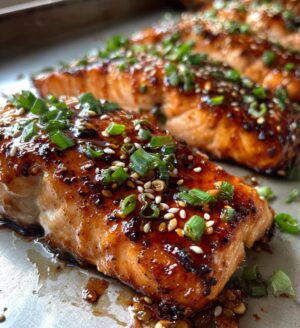
Teriyaki Salmon: The Ultimate Guide To Perfect Glazed Salmon At Home
Have you ever wondered why teriyaki salmon is the undisputed champion of weeknight dinners and impressive dinner parties alike? It’s that magical combination of a sticky, sweet-savory glaze and flaky, moist fish that seems to defy the odds of home cooking. But what if you could master it completely, turning out restaurant-quality results every single time? This guide will transform you from a teriyaki enthusiast into a true teriyaki salmon connoisseur, covering everything from the sauce’s fascinating history to the secret techniques that guarantee perfection.
The Sweet and Savory Story: A Brief History of Teriyaki
Before we dive into the pan, let’s take a quick trip to Japan. The term "teriyaki" is a compound word: teri means "gloss" or "luster," and yaki means "to grill or broil." It describes the beautiful, shiny glaze that forms on the food. While teriyaki is now synonymous with a specific sauce, its origins are simpler. Traditionally, it was a method of cooking—grilling fish or meat and basting it with a mixture of soy sauce, mirin, and sugar to create that signature sheen and flavor. The dish we know and love today, especially teriyaki salmon, became popular in the mid-20th century as Japanese immigrants brought their culinary traditions to Hawaii and the West Coast of the United States, adapting the sauce with local ingredients like pineapple and ginger. This evolution is why many American-style teriyaki salmon recipes include brown sugar and fresh aromatics, creating a richer, more complex flavor profile than the original.
The Heart of the Dish: Mastering the Teriyaki Sauce
Forget store-bought bottles. The real magic happens when you make the sauce from scratch. A phenomenal teriyaki sauce is a delicate balance of five core components: umami (from soy sauce), sweetness (from sugar or honey), acidity (from rice vinegar or citrus), aroma (from ginger and garlic), and body (from mirin or sake). Getting this balance right is the single most important factor in your teriyaki salmon success.
The Non-Negotiable Ingredients for Authentic Flavor
Your pantry checklist is simple but specific. Start with low-sodium soy sauce or tamari for a gluten-free option—this gives you control over saltiness. Mirin is the secret weapon; this sweet Japanese rice wine adds depth, a mild acidity, and helps the sauce thicken and cling beautifully. If you can’t find mirin, a splash of sake with a pinch of sugar works in a pinch. For sweetness, granulated sugar is traditional, but brown sugar or honey add a lovely caramel note. Fresh ginger and garlic are absolutely essential—grate them finely to release maximum flavor and aroma. Finally, a touch of rice vinegar brightens the whole concoction. Whisk these together, and you have the foundation.
Pro-Tips for Sauce Perfection
- Simmer, Don’t Boil: Gently simmer your sauce for 10-15 minutes. A rolling boil can make it too thin or cause crystallization. You want it to reduce by about one-third, thickening to a syrupy consistency that will coat the back of a spoon.
- Cornstarch Slurry for Extra Gloss: For a restaurant-level, glassy glaze, mix 1 teaspoon of cornstarch with 1 tablespoon of cold water. Whisk this slurry into your simmering sauce in the final 2 minutes of cooking. It will transform into a thick, shiny, clingy glaze perfect for teriyaki salmon.
- Taste and Adjust: Always taste your sauce before adding it to the fish. Is it too salty? Add a teaspoon of honey or pineapple juice. Not sweet enough? A bit more sugar. Not complex? A dash of toasted sesame oil at the end works wonders. This is your sauce—make it sing for your palate.
Choosing Your Canvas: Selecting the Perfect Salmon Fillet
The sauce may be the star, but the fish is the stage. Your choice of salmon directly impacts the final texture and flavor of your teriyaki salmon. Fresh, high-quality salmon is ideal. Look for fillets with firm, resilient flesh and a vibrant, deep pink or orange color (depending on the variety). The flesh should smell clean and like the ocean, not fishy. If fresh isn’t an option, frozen salmon fillets are an excellent, often more affordable choice. Thaw them slowly in the refrigerator overnight for the best texture. Avoid any fillets with excessive liquid in the package or a dull, grayish appearance.
Skin-On vs. Skin-Off: The Great Debate
This is a crucial decision. Skin-on salmon is the champion for pan-searing. The skin acts as a protective barrier, preventing the delicate flesh from overcooking and sticking to the pan. It renders down into crispy, salty perfection that is a sublime textural contrast to the soft, glazed fish. When serving, you can easily slide a spatula between the skin and the flesh. Skin-off fillets are easier to eat and are perfect for baking or broiling, where the skin wouldn’t get crispy anyway. For the ultimate pan-seared teriyaki salmon, always choose skin-on. Pat the skin very dry with a paper towel before seasoning—this is the #1 tip for achieving shatteringly crisp skin.
Cooking Methods: From Stovetop to Oven
You have your sauce and your fish. Now, how do you bring them together? There are three primary methods, each with its own advantages for teriyaki salmon.
1. The Pan-Seared Method (The Classic)
This is the most popular for a reason. It yields a crispy skin and a beautifully caramelized, sticky glaze.
- Step 1: Pat your salmon fillets dry. Season generously with salt and pepper on both sides.
- Step 2: Heat a non-stick or well-seasoned cast-iron skillet over medium-high heat. Add a tablespoon of neutral oil (like avocado or vegetable oil).
- Step 3: Place the fillets skin-side down in the hot pan. Press gently for 10 seconds to prevent curling. Cook undisturbed for 4-5 minutes, until the skin is deep golden brown and crispy. You can gently lift with a spatula to check.
- Step 4: Flip the fillets and cook for another 2-3 minutes on the flesh side, depending on thickness.
- Step 5: Reduce heat to low. Pour about ¼ cup of your prepared teriyaki sauce into the pan. As it bubbles and thickens, spoon it continuously over the fillets for 1-2 minutes until a glossy glaze forms. Serve immediately, spooning extra pan sauce over the top.
2. The Broiled Method (Effortless and Even)
Broiling is fantastic for hands-off cooking and ensures even glazing.
- Step 1: Place salmon fillets on a parchment-lined baking sheet or in a broiler-safe dish. Season with salt and pepper.
- Step 2: Brush a thin layer of teriyaki sauce over the top of each fillet.
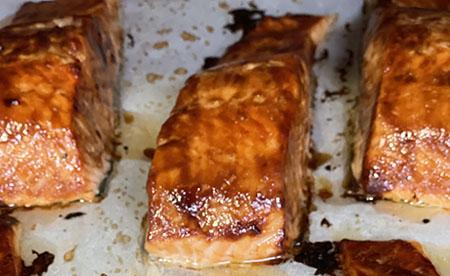
- Step 3: Broil on high, 6-8 inches from the heat source, for 6-8 minutes. The sauce will bubble and caramelize.
- Step 4: Remove from oven, brush with more sauce, and let rest for 2 minutes before serving. This method is less likely to create a sticky mess on your stovetop.
3. The Marinated Method (Deep Flavor Penetration)
For maximum flavor infusion, marinate the salmon before cooking.
- Step 1: Place salmon fillets in a shallow dish or resealable bag. Pour about half of your teriyaki sauce over them, turning to coat. Marinate in the refrigerator for 15-30 minutes. Do not marinate longer than 1 hour, as the soy sauce can start to "cook" the fish and make it mushy.
- Step 2: Remove salmon from marinade, letting excess drip off. Discard the used marinade (it contains raw fish juices).
- Step 3: Cook using the pan-seared or broiled method, brushing with the reserved, unused fresh teriyaki sauce during the final minutes of cooking to create the glaze.
The Health halo: Why Teriyaki Salmon is a Nutritional Powerhouse
Beyond its irresistible taste, teriyaki salmon is a poster child for a healthy meal. Salmon is one of the most nutrient-dense foods on the planet. It’s famously rich in omega-3 fatty acids (EPA and DHA), which are crucial for heart health, brain function, and reducing inflammation. A single 3-ounce serving provides well over 50% of the daily recommended intake. It’s also an excellent source of high-quality protein, B vitamins (especially B12 and niacin), selenium, and vitamin D. The teriyaki sauce, when made with controlled sugar and low-sodium soy sauce, adds minimal empty calories. The ginger and garlic contribute antioxidants and anti-inflammatory compounds. Paired with steamed vegetables and brown rice, this meal is a balanced, fitness-friendly powerhouse that feels like a treat.
Building the Perfect Plate: Serving and Pairing Suggestions
A great teriyaki salmon deserves great company. The goal is to balance the rich, sweet-savory fish with fresh, acidic, and textured elements.
- The Classic Base: A bed of steamed jasmine or sushi rice is traditional and soaks up the glorious sauce beautifully. For a healthier twist, use cauliflower rice or quinoa.
- Vegetable Partners: Choose vegetables that can cook quickly or be prepared ahead. Steamed broccoli or asparagus are perfect. Sautéed snap peas or green beans with a touch of garlic add crunch. A simple cucumber salad with rice vinegar and sesame seeds provides a refreshing, acidic counterpoint.
- Garnish Galore: Never underestimate the power of garnish. Toasted sesame seeds and thinly sliced scallions (green onions) are mandatory. A sprinkle of shredded nori (seaweed) adds umami. A few leaves of fresh cilantro or mint can brighten the plate.
- Soup or Salad: Start the meal with a light miso soup or a seaweed salad. For a heartier meal, a small sesame ginger salad with a light vinaigrette works wonders.
Common Pitfalls and How to Avoid Them
Even with a great recipe, small mistakes can derail your teriyaki salmon. Here’s how to sidestep the most common issues:
- Problem: The sauce burns or becomes a sticky, hardened mess.
- Solution: Your heat is too high. Always add sauce to a reduced-heat pan. The sugar in the sauce can caramelize and burn quickly over high flame. Use the "brush during the last few minutes" method instead of pouring a large amount at the start.
- Problem: The salmon is dry and overcooked.
- Solution: Salmon continues to cook from residual heat (carryover cooking). Remove it from the heat 1-2 minutes before it looks done. It should be slightly translucent in the very center when you take it off the pan. It will finish cooking as it rests. Invest in an instant-read thermometer—salmon is perfect at 125-130°F for medium-rare, or 135°F for medium.
- Problem: The skin isn’t crispy.
- Solution:PAT IT DRY. This is the golden rule. Any moisture on the skin will steam it, making it soggy. Also, ensure your pan is properly heated before adding the salmon. Don’t overcrowd the pan; give each fillet space.
- Problem: The flavor is one-dimensional (just sweet or just salty).
- Solution: Your sauce ratio is off. Taste it before using! It should have a clear balance—you should taste the salty umami of soy, the round sweetness of sugar/mirin, and a hint of acidity and aromatics. Adjust with a splash of vinegar for brightness or a pinch of sugar for depth.
Beyond the Fillet: Creative Teriyaki Salmon Adventures
Once you’ve mastered the basic teriyaki salmon fillet, explore these fantastic variations:
- Teriyaki Salmon Skewers: Cut salmon into 1-inch cubes and thread onto skewers with bell peppers and onions. Marinate, then grill or broil. Perfect for parties.
- Teriyaki Salmon Bowl (Poke-Style): Flake cooked, glazed salmon over a bowl of rice with avocado, edamame, cucumber, and pickled ginger. Drizzle with extra sauce and a touch of spicy mayo.
- Teriyaki Salmon Lettuce Wraps: Serve flaked teriyaki salmon in butter lettuce or romaine leaves with shredded carrot, cilantro, and a squeeze of lime. A low-carb, fresh, and fun meal.
- Teriyaki Salmon Fried Rice: Use leftover teriyaki salmon (cold or room temp) to top a bowl of homemade fried rice. The sauce from the salmon beautifully coats the rice and vegetables.
Your Teriyaki Salmon Questions, Answered
Q: Can I use teriyaki marinade as a sauce?
A: Yes, but with a crucial caveat. Never use the marinade that touched raw salmon as a sauce without boiling it first. It contains harmful bacteria from the raw fish. The safe method is to reserve a portion of the unused sauce before marinating, or make a fresh batch specifically for glazing. If you must use the marinade, bring it to a rolling boil in a small saucepan for 5 minutes to kill any pathogens.
Q: What’s the difference between teriyaki and eel sauce (unagi no tare)?
A: Great question! They are similar but distinct. Eel sauce (unagi no tare) is typically thicker, sweeter, and less salty than standard teriyaki sauce. It often includes additional ingredients like kabayaki (a sweetened soy-based sauce used for eel) or even ketchup for a unique tang. For teriyaki salmon, stick to the classic soy-mirin-sugar-ginger-garlic profile.
Q: Can I make teriyaki sauce ahead of time?
A: Absolutely! Homemade teriyaki sauce stores brilliantly. Let it cool completely, then transfer to an airtight container. It will keep in the refrigerator for up to 2 weeks. The flavors often meld and improve after a day. Gently reheat before using to thin it out and restore its glossy, pourable consistency.
Q: Is teriyaki salmon high in sugar?
A: It can be, depending on the recipe. A restaurant or store-bought version can have 10-15 grams of sugar per serving. By making it at home, you control the sugar. You can easily reduce the sugar in the recipe by 25-30% without sacrificing flavor, especially if you use a touch of grated apple or pineapple for natural sweetness. Using a natural sweetener like coconut aminos (which is lower in sugar) is another excellent option.
Conclusion: Your Journey to Teriyaki Mastery
Teriyaki salmon is more than just a recipe; it’s a culinary technique that balances science and soul. It’s the art of creating a glaze that is at once sticky and glossy, sweet and savory, complex yet comforting. By understanding the history, respecting the ingredients, mastering the sauce, and nailing the cooking technique, you unlock a skill that will serve you for a lifetime. You’ll never need to rely on a bottle from the store again. You now hold the keys to a dish that brings joy to the table, nourishes the body, and never fails to impress. So, grab that fresh salmon, whisk together that glorious sauce, and experience the profound satisfaction of creating perfect teriyaki salmon with your own two hands. Your taste buds—and your dinner guests—will thank you.