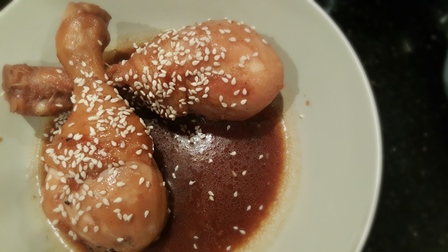
Honey Soy Chicken: The Irresistible Sweet And Savory Fusion You Need To Master
Have you ever wondered why honey soy chicken has become a global phenomenon, gracing everything from weeknight dinner tables to upscale restaurant menus? It’s more than just a tasty glaze; it’s a masterclass in flavor balance that taps into our deepest cravings for sweet, salty, and umami-rich satisfaction. This dish isn’t just a recipe—it’s a versatile culinary chameleon that promises a succulent, glossy finish every single time. Whether you’re a kitchen novice or a seasoned home cook, understanding the magic behind this iconic combination will revolutionize your poultry preparation forever. Let’s dive deep into the world of honey soy chicken, uncovering its secrets, techniques, and endless possibilities.
The Perfect Harmony: Decoding the Honey Soy Flavor Profile
The genius of honey soy chicken lies in its flawless flavor balance. On one side, you have the deep, complex salinity of soy sauce, which brings not just saltiness but a profound umami backbone—that savory, almost meaty fifth taste. On the other, there’s honey, contributing a clean, floral sweetness that caramelizes beautifully under heat. When these two are married, often with the bridge of aromatics like garlic and ginger, they create a glaze that is greater than the sum of its parts. The result is a dish that is simultaneously glossy and sticky, rich yet bright, and deeply satisfying without being cloying.
This balance is crucial. Too much soy sauce and the dish becomes harsh and salty; too much honey and it’s a sugary mess. The ideal ratio typically hovers around a 1:1 or 2:1 (soy:honey) base, but it must be adjusted with acid (like rice vinegar or citrus) and heat (chili flakes or fresh peppers) to create a full-spectrum taste experience. Think of it as a culinary yin and yang—each component defines and elevates the other. This harmony is why the flavor profile translates so well across different cooking methods, from stir-fries to roasted whole chickens.
The Foundation: Essential Ingredients for Authentic Flavor
Building an exceptional honey soy chicken starts with sourcing the right components. Using subpar ingredients will result in a flat, one-dimensional glaze. The quality of your soy sauce and honey is non-negotiable for a truly authentic taste.
The Soy Sauce: Your Umami Powerhouse
Not all soy sauces are created equal. For the best results, opt for naturally brewed soy sauce over chemically produced versions. Look for terms like "traditionally brewed" or "fermented." Within this category, the type matters:
- Japanese Koikuchi Shoyu: The standard, all-purpose soy sauce. It has a balanced, slightly sweet, and less salty profile than many Chinese counterparts, making it a fantastic, versatile base.
- Chinese Light Soy Sauce: Thinner, saltier, and more assertive. Use it if you want a punchier, more pronounced soy flavor.
- Dark Soy Sauce: Thicker, sweeter, and used primarily for color and a richer molasses-like note. It’s often used in combination with light soy sauce.
- Tamari: A gluten-free alternative (traditionally Japanese) that is richer and smoother. Excellent for those with sensitivities.
For a depth of flavor, consider a blend. A common pro tip is to use a mix of regular soy sauce and a splash of mushroom soy sauce or a teaspoon of fish sauce for an extra layer of savory complexity. Always taste your soy sauce before using; some can be very salty.
The Honey: The Sweetness with Character
Honey isn’t just a sweetener; it contributes flavor and viscosity. The type of honey you choose subtly influences the final dish:
- Wildflower or Clover Honey: These are mild, all-purpose options that let the other ingredients shine.
- Orange Blossom or Wildflower Honey: These offer a delicate floral note that can add a beautiful aromatic dimension.
- Buckwheat Honey: Dark, robust, and molasses-like. Use sparingly for a more intense, earthy sweetness.
- Avoid ultra-processed, clear "supermarket" honey if possible, as it often lacks nuanced flavor.
For a thicker, shinier glaze, you can substitute a portion of the honey with brown sugar or hoisin sauce, which adds a slight fermented sweetness and thickness.
The Supporting Cast: Aromatics and Acid
These are the flavor amplifiers that transform a simple glaze into a sophisticated sauce.
- Garlic & Ginger: Non-negotiable. Freshly minced garlic and ginger provide a pungent, aromatic base that cooks down into a mellow, integral part of the sauce. Pro tip: Sauté them briefly in oil before adding the liquid ingredients to "bloom" their flavor.
- Acid: A touch of rice vinegar, mirin (a sweet Japanese rice wine), sake, or even a squeeze of orange or pineapple juice cuts through the richness and balances the sweet/salty profile. It brightens the entire dish.
- Heat:Red pepper flakes, a dash of sriracha, or a finely chopped fresh chili like Thai bird’s eye or jalapeño add a welcomed kick that contrasts the sweetness.
- Oil:Sesame oil (added at the end) provides a distinct nutty aroma. A neutral oil like canola or vegetable is used for initial cooking.
A classic, foundational marinade/glaze ratio might look like:
- 1/4 cup soy sauce
- 1/4 cup honey
- 2 tablespoons rice vinegar or mirin
- 1 tablespoon toasted sesame oil
- 3-4 cloves garlic, minced
- 1 tablespoon fresh ginger, grated
- 1 teaspoon red pepper flakes (optional)
Mastering the Technique: From Marinade to Glaze
The method you choose dictates the final texture and intensity of the honey soy flavor. Each technique offers a unique path to deliciousness.
Marinating: Infusing Flavor from the Inside Out
Marinating is about penetration and tenderization. The salt in the soy sauce helps break down muscle proteins, while the honey and sugars can create a slight tacky surface. For bone-in, skin-on pieces (thighs, drumsticks), marinate for at least 2 hours, or ideally overnight. For boneless, skinless breasts (which are leaner and more prone to drying out), 30 minutes to 2 hours is sufficient. Always marinate in the refrigerator. Never reuse a marinade that has touched raw poultry. If you want to use it as a basting sauce or glaze, set aside a portion before adding the raw chicken, or boil it thoroughly for 5 minutes to kill bacteria.
The Art of Glazing: Achieving that Signature Shine
Glazing is the final, glorious step where the sauce reduces and clings. This is done during the last 5-10 minutes of cooking. Whether you're baking, grilling, or stir-frying:
- Cook the chicken mostly through using your primary method (e.g., bake at 375°F/190°C for 25-30 minutes for thighs).
- Brush on a generous layer of your reserved, boiled (if necessary) glaze.
- Increase the heat (switch to broil/grill, or turn up the stir-fry heat) to rapidly caramelize the sugars.
- Turn and brush repeatedly every 1-2 minutes until the sauce is thick, sticky, and glossy. Watch closely! Sugar burns easily.
This process creates the visual and textural hallmark of the dish: a lacquered, finger-licking coating.
Cooking Method Showdown: Which One is for You?
- Baking/Roasting: The easiest, most hands-off method. Perfect for a set-and-forget weeknight. Place marinated chicken on a rack over a baking sheet to allow air circulation. Finish under the broiler for perfect glaze. Result: Juicy, evenly cooked meat with a slightly less crisp skin than grilling.
- Grilling/Broiling: Delivers maximum smoky char and crispiness. The direct, high heat caramelizes the glaze incredibly fast. Requires vigilance to prevent burning. Ideal for bone-in pieces and skewers. The smoky flavor pairs magically with the sweet-savory sauce.
- Stir-Frying: The fastest method. Cut chicken into bite-sized pieces. Stir-fry in a very hot wok or skillet until browned and cooked through. Remove, then quickly cook the aromatics, add the glaze, return chicken, and toss to coat. Results in a saucy, cohesive dish perfect for serving over rice. The chicken stays tender due to the brief cook time.
- Pan-Searing: A great middle ground. Sear skin-side down first to render fat and get crispy skin, then flip, add glaze, and finish in the oven (if oven-safe pan) or on the stovetop. Gives you crispy skin and a controlled glaze.
Beyond the Basics: Exciting Variations and Global Twists
The honey soy template is a launchpad for creativity. Once you master the base, the world is your oyster.
Asian-Inspired Variations
- Honey Soy Garlic Chicken: Amp up the garlic. Use 6-8 cloves and add a final sprinkle of toasted garlic chips for crunch.
- Honey Soy Ginger Chicken: Double the ginger and add a touch of freshly grated galangal for a sharper, more citrusy note.
- Korean-Style (Honey Soy Bulgogi): Use Korean soy sauce (or regular with a touch of pear juice for natural tenderizing), add sesame seeds, and serve with ssamjang on the side for wrapping in lettuce.
- Japanese Teriyaki Adjacent: Use a mix of soy sauce, mirin, sake, and sugar (honey can replace the sugar). The mirin provides a distinct, glossy sheen and milder sweetness.
Global Fusion Ideas
- Honey Soy BBQ Chicken: Add smoked paprika, cumin, and a dash of Worcestershire sauce to the glaze. Finish on the grill for smoke.
- Citrus-Honey Soy: Add orange zest and juice to the glaze. Garnish with fresh cilantro and toasted sesame seeds.
- Spicy Honey Sriracha Soy: Replace red pepper flakes with a generous spoonful of sriracha or gochujang (Korean fermented chili paste) for a fermented, complex heat.
- Pineapple Honey Soy: Add crushed pineapple and its juice to the glaze for a tropical, tangy twist. Perfect for skewers.
Serving Suggestions: Building the Perfect Plate
Honey soy chicken is a star protein that shines in a supporting cast. Its rich sauce demands complementary elements.
- The Classic: Steamed jasmine rice or fried rice is the ultimate vehicle to soak up every last drop of the glorious glaze.
- Noodle Bowls: Toss shredded chicken with soba noodles, udon, or rice noodles, and steamed vegetables like bok choy, broccoli, and bell peppers. The sauce acts as the dressing.
- Light & Fresh: Serve over a crisp salad with Asian-inspired dressing (rice vinegar, sesame oil, a touch of honey). The warm chicken wilts the greens slightly.
- Wrap It Up: Use the chicken as a filling for lettuce wraps (like romaine or butter lettuce) with shredded carrots, cucumber, and fresh herbs (mint, cilantro, basil).
- Garnish Grandly: Elevate your dish with:
- Toasted sesame seeds
- Thinly sliced scallions (green onions)
- Fresh cilantro or Thai basil
- A final drizzle of chili oil or togarashi (Japanese spice blend)
- Lime wedges on the side for a squeeze of acidity.
Health and Nutrition: A Balanced Perspective
While delicious, honey soy chicken is often viewed as an indulgence. With mindful adjustments, it can fit into a balanced diet.
- The Sugar Factor: Honey and soy sauce (which contains some natural sugars) are the primary sources. To reduce sugar:
- Use a sugar-free honey alternative or reduce honey by 1/3 and compensate with a touch of stevia or erythritol (note: these won't caramelize the same way).
- Opt for a low-sodium soy sauce or tamari to cut sodium, which indirectly helps manage overall intake.
- Thicken the sauce with a cornstarch slurry (1 tsp cornstarch + 1 tbsp water) instead of reducing a large volume of sugary liquid.
- Protein Power: Chicken breast is a lean, high-quality protein source, essential for muscle repair and satiety. Chicken thighs offer more flavor and moisture but have higher fat content.
- Sodium Savvy: Soy sauce is notoriously high in sodium. Using low-sodium versions and controlling portion size of the glaze (where most sodium resides) is key. Rinsing marinated chicken before cooking can remove some surface salt, but also removes flavor.
- Make it a Balanced Meal: The key is in the accompaniments. Load up on non-starchy vegetables (steamed, roasted, or stir-fried) to add fiber, vitamins, and volume. Pair with a complex carbohydrate like brown rice or quinoa instead of white rice for sustained energy. A typical restaurant serving can have 600-900+ calories; a homemade version with controlled sauce and extra veggies can easily be 400-550 calories.
Troubleshooting Common Pitfalls: Why Your Dish Might Be Failing
Even experienced cooks hit snags. Here’s how to fix the most common issues:
- "My chicken is dry and tough."
- Cause: Overcooking, especially with lean breast meat.
- Fix: Use a meat thermometer. Remove chicken from heat at 155-160°F (68-71°C) for breasts; it will carry over to 165°F (74°C). For thighs, 170-175°F (77-80°C) is fine. Marinate (especially with an acidic component like vinegar) to help tenderize. Baste frequently during cooking to keep the surface moist.
- "My glaze is runny and won't thicken."
- Cause: Not reducing enough, or too much liquid.
- Fix: Simmer the glaze uncovered on high heat after adding the chicken. Make a cornstarch slurry (mix 1 tsp cornstarch with 1 tbsp cold water) and whisk it into the simmering glaze. It will thicken in 30-60 seconds.
- "My glaze is burning before the chicken cooks."
- Cause: Sugar caramelizes and burns at high temperatures.
- Fix:Apply the glaze later in the cooking process (last 5-10 minutes). Cook the chicken to near-doneness first, then add the glaze and finish. If stir-frying, add the sauce only after the chicken is removed and veggies are cooked, then return chicken to coat.
- "It's too salty!"
- Cause: Too much soy sauce, or using regular soy sauce in a reduced sauce.
- Fix:Dilute with a splash of water, pineapple juice, or unsalted chicken broth. Add more honey or a pinch of sugar to balance. In the future, start with less soy sauce and use low-sodium soy sauce. Always taste your glaze before applying.
- "The flavor is one-dimensional."
- Cause: Missing key layers—acid, aromatics, or depth.
- Fix: Ensure you have fresh garlic and ginger. Add a tangy element (vinegar, citrus). Introduce umami boosters like a dash of fish sauce, mushroom soy, or even a tiny bit of miso paste. Let the chicken marinate for longer.
Storing and Reheating Like a Pro
Leftover honey soy chicken is a gift—it often tastes even better the next day as flavors meld.
- Storage: Let chicken cool to room temperature (max 2 hours). Store in an airtight container in the refrigerator for 3-4 days. Keep the glaze separate if possible to prevent sogginess, or store together if you plan to reheat gently.
- Reheating: The goal is to warm through without further drying out or burning the glaze.
- Best Method: Reheat gently in a skillet with a splash of water or extra glaze over low-medium heat. Cover with a lid to steam it back to tenderness.
- Microwave: Place on a microwave-safe plate, cover loosely, and heat in 30-second bursts. Do not overheat.
- Oven: Warm at 300°F (150°C) covered with foil for 15-20 minutes.
- Freezing: Marinated chicken (in a freezer bag, with air squeezed out) freezes well for up to 3 months. Thaw in the refrigerator overnight before cooking. Cooked chicken with glaze can also be frozen, but the texture of the glaze may change slightly upon thawing (it can become grainy). Reheat gently in a sauce as above.
Conclusion: Your Journey to Glazed Perfection Starts Now
Honey soy chicken is so much more than a simple recipe—it’s a fundamental culinary technique that teaches you about balance, caramelization, and the transformative power of a good glaze. By understanding the roles of each ingredient, mastering the timing of the glaze application, and experimenting with global variations, you unlock a world of flavorful, impressive meals. It’s the perfect solution for a quick, guaranteed crowd-pleaser that feels special without requiring special skills.
So, the next time you wonder what to cook, remember the magic of that sweet and savory union. Grab your favorite soy sauce, a jar of good honey, and some fresh garlic and ginger. Follow the principles of balance and timing, and you’ll consistently produce chicken that is juicy, glossy, and explosively flavorful. It’s a dish that promises satisfaction in every sticky, glistening bite. Now, go create your own signature version—your taste buds will thank you.