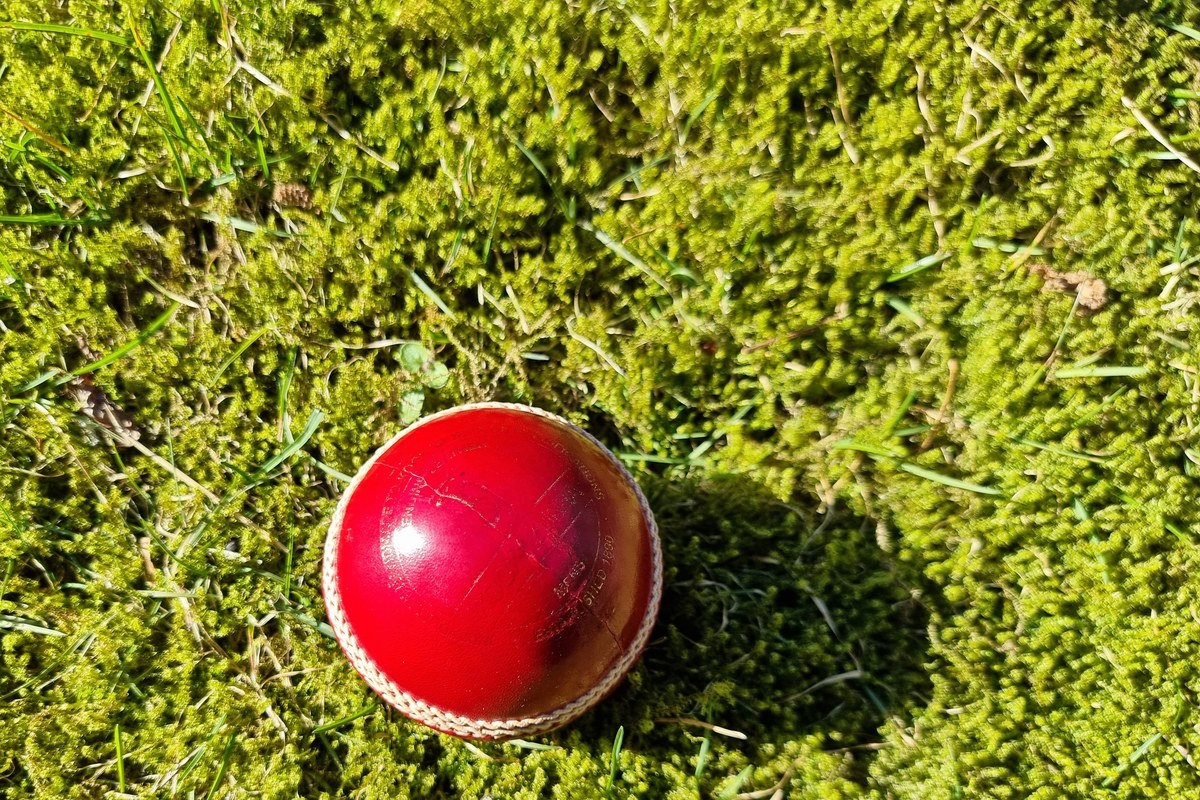
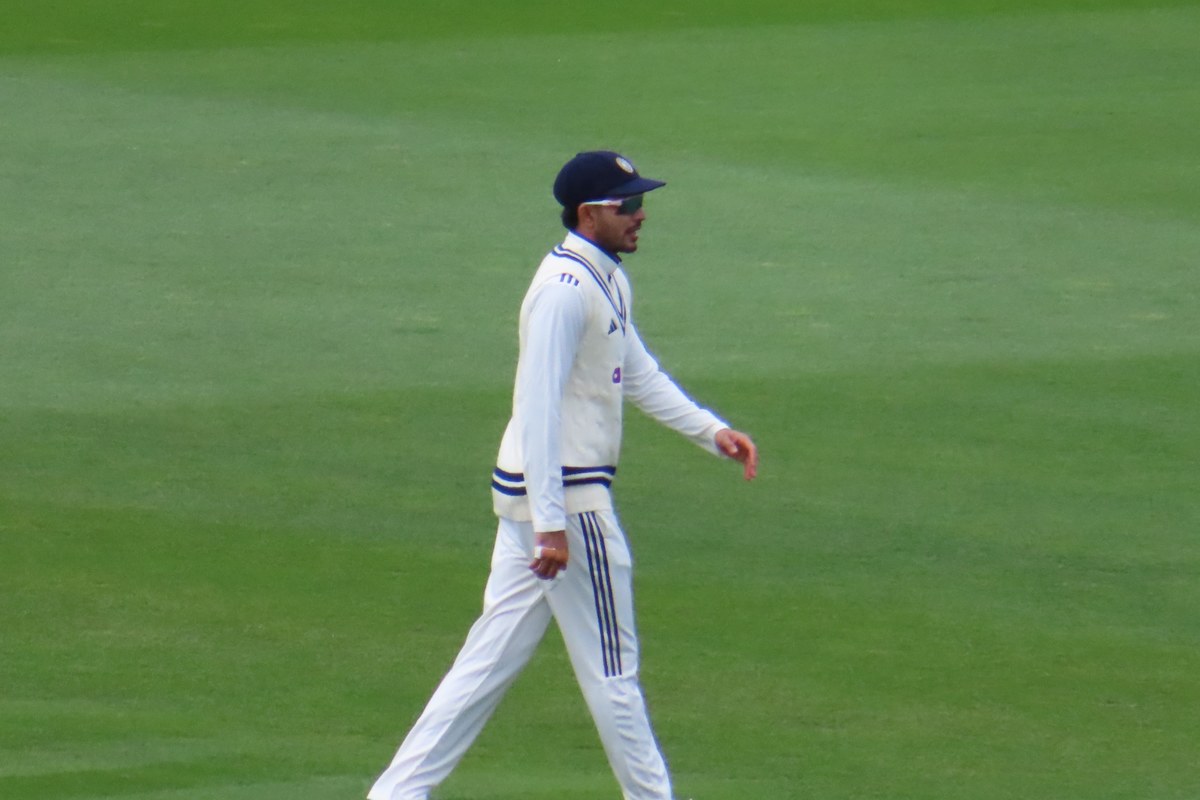
What is the saliva ban? Bowlers and fielders can no longer rub spit on the cricket ball to shine it. The ICC’s ban on saliva came back into focus on Monday (23 November), when India captain Shubman Gill asked the ICC to revisit it after the first Test against New Zealand in Wellington ended in a draw. Gill said the Kookaburra ball went soft after 25-30 overs and that teams should be able to maintain it better.
Why was saliva banned in cricket? It was a Covid-19 health measure. In 2020, the ICC Cricket Committee, chaired by Anil Kumble, heard from the head of the ICC Medical Advisory Committee, Dr Peter Harcourt, about the “elevated risk of the transmission of the virus through saliva”. The committee unanimously recommended that using saliva to polish the ball be prohibited. The same medical advice said it was “highly unlikely” the virus could pass through sweat, so players could still use sweat to shine the ball.
Why did the ban become permanent? When international cricket resumed in July 2020, the saliva rule came with it as a temporary measure. In September 2022, the ICC’s men’s Cricket Committee, then chaired by Sourav Ganguly, recommended making it permanent, and the new playing conditions took effect on 1 October 2022. The ICC said that during the ban players had “resorted to the use of sweat to shine the ball, which has proven to be effective”.
Why did bowlers ever use saliva? Fielding sides traditionally used saliva to maintain the shine on one side of the ball and help generate swing, Sportstar noted. Gill argues that without it, and with a ball that goes soft early, bowlers struggle on flat pitches. “Edges don’t carry. So almost your caught-behind dismissal goes out of the game,” Gill said, as quoted by The Indian Express, describing how a soft ball hurts bowlers.
Is Gill the first to ask for it back? No. After the Champions Trophy semi-final win over Australia in March 2025, Mohammed Shami urged the ICC to lift the ban and bring reverse swing back, The Times of India reported. He found support from former New Zealand seamer Tim Southee and former South Africa pacer Vernon Philander.
Could it return? No change has been announced. New Zealand captain Tom Latham said: “Certainly from a saliva point of view, I am not sure that will change, obviously what the world’s been through.” The ICC has not announced any review in the reports reviewed. Both earlier steps, in 2020 and 2022, were recommended by the ICC’s Cricket Committee. Read The Indian Idiot’s news report on Gill’s comments for what he said at the press conference.
More to read


Behind the story
Read the sources and explore the context for yourself.
- ICC: Cricket Committee recommends prohibition of saliva to shine the ball (2020)icc-cricket.com
- ICC: ICC makes changes to Playing Conditions (Sept 2022)icc-cricket.com
- The Hindu: Shubman Gill on saliva ban and Kookaburra ball (24 Nov 2026)thehindu.com
- The Indian Express: Balls going soft in 25-30 overs, no saliva makes it tough: Gill’s complaints (24 Nov 2026)indianexpress.com
- Sportstar: Why Shubman Gill wants ICC to reverse saliva ban in Test cricket (24 Nov 2026)sportstar.thehindu.com
- The Times of India: Shubman Gill wants ICC to revisit Covid-era ban on saliva (24 Nov 2026)timesofindia.indiatimes.com
- The Indian Idiot: Shubman Gill asks ICC to revisit saliva ban after Wellington Test draw (24 Nov 2026)theindianidiot.com