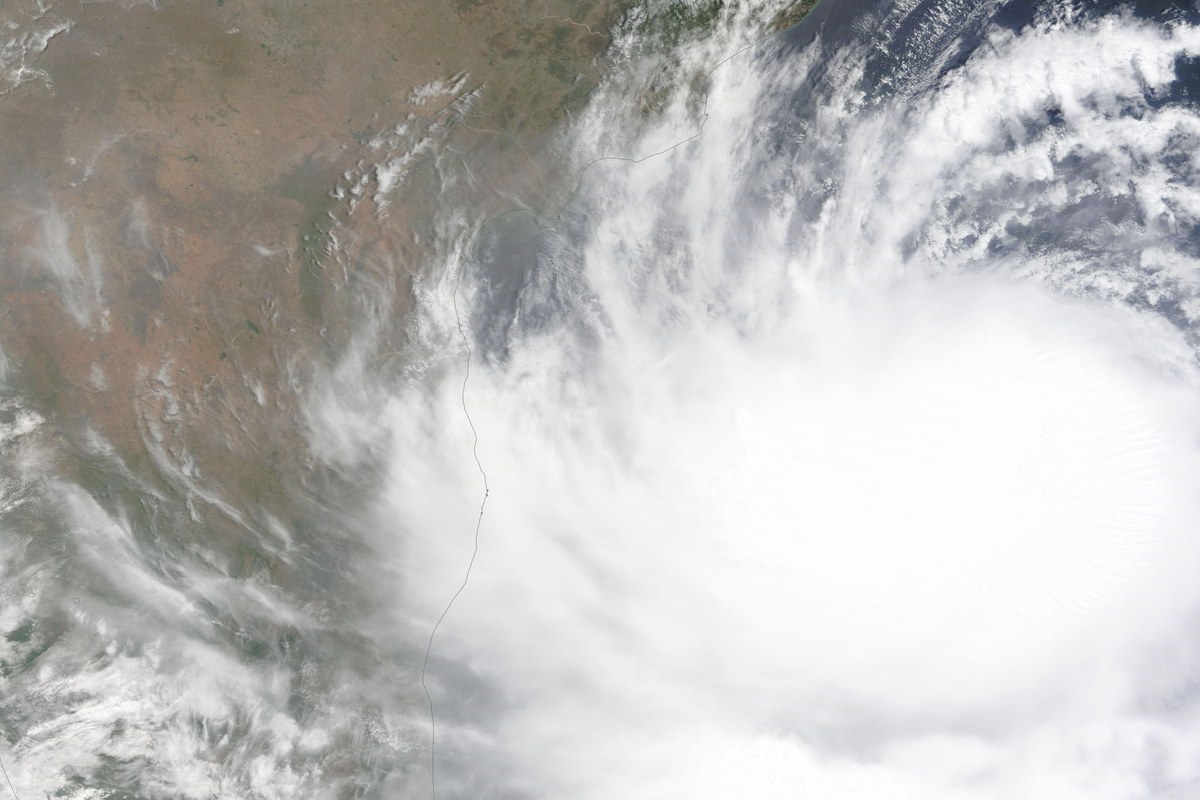
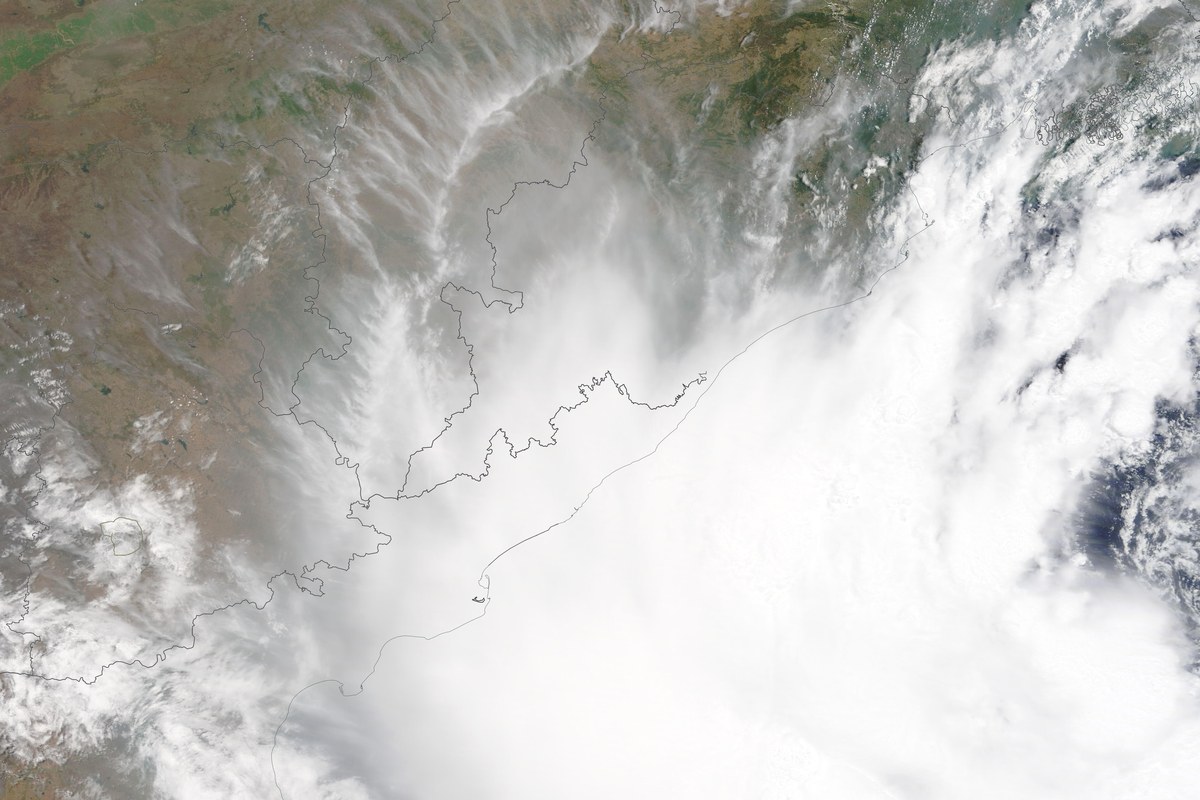
Cyclone Akvan was forecast to hit Odisha as a severe cyclonic storm with winds of 90-100 kmph. It crossed the coast near Gopalpur on Friday morning (20 November) with sustained winds of 70-80 kmph, gusting to 90 kmph, and weakened into a deep depression within hours, according to Hindustan Times and The Hindu. So why did it lose strength?
What did officials say? Officials said the storm weakened because of vertical wind shear, a broad and poorly organised circulation, and its rapid movement over the sea, Hindustan Times reported.
What is wind shear? It is a change in wind speed or direction with height. India Today explained that winds at different heights began blowing in different directions, which disrupted the storm’s structure. In simple terms, a cyclone needs its core to stay upright and organised; when upper and lower winds pull in different directions, the storm struggles to hold together and cannot keep strengthening.
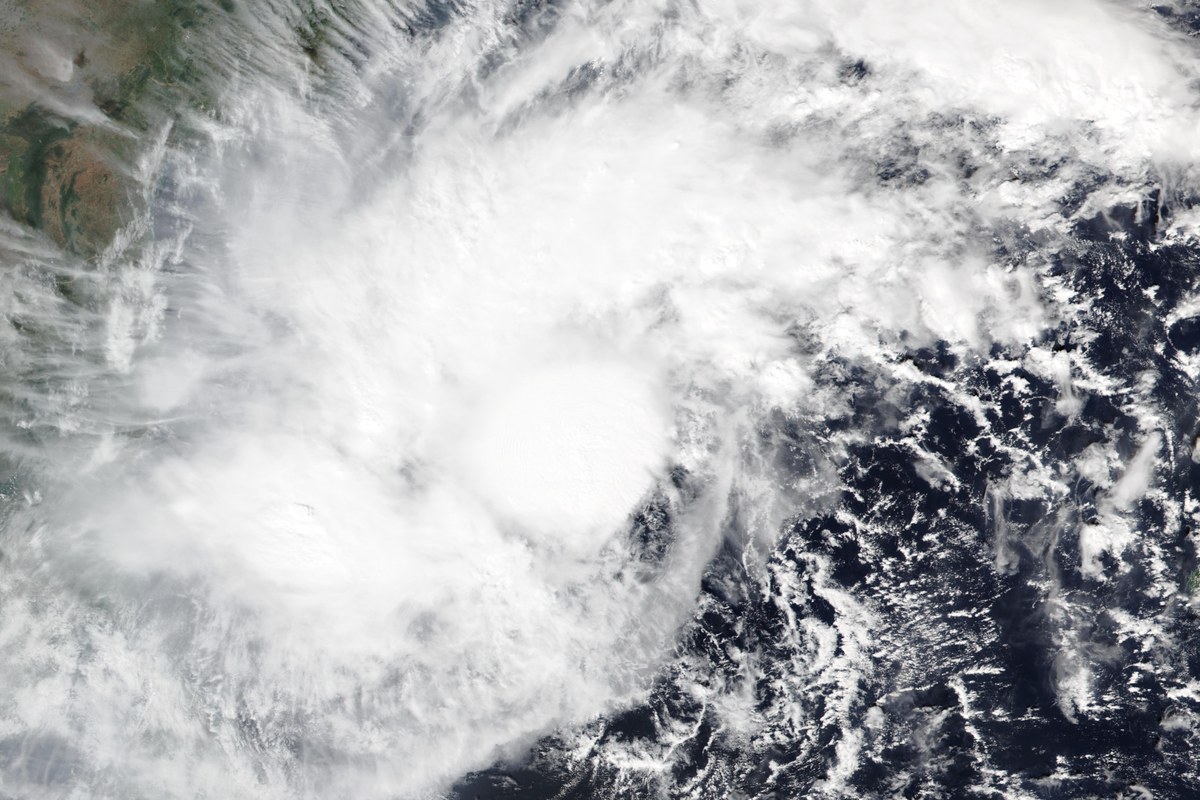
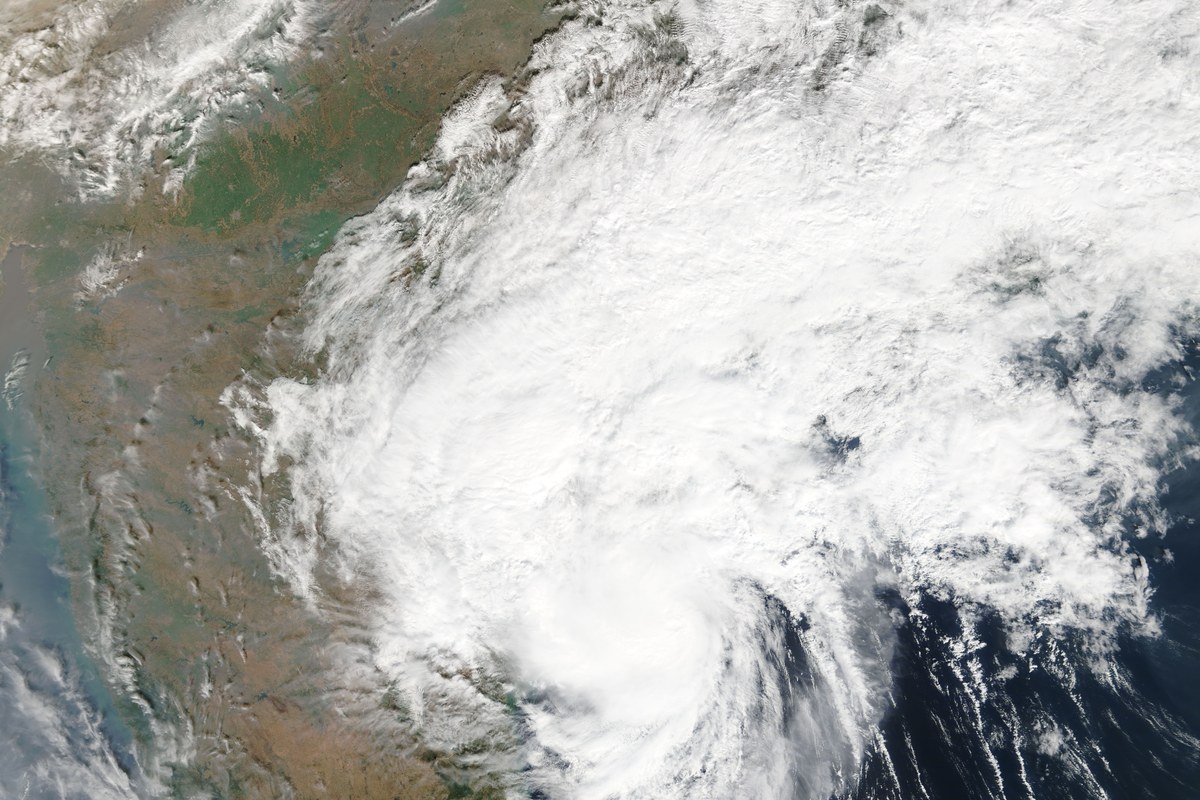
Is there evidence that shear was at work? Manmeet Singh and Sandeep Juneja of Ashoka University’s Safexpress Centre for Data, Learning and Decision Sciences told BusinessLine that the satellite pictures showed the low-level centre exposed for a while, with a few small vortices rotating around it, “which indicated that shear was at work”.
Did anything else hold it back? India Today reported that cooler coastal waters and the mixing in of drier air also limited the storm’s strength. Akvan had formed over the warm waters of the Bay of Bengal and was initially expected to strengthen further.
Why did the forecast keep changing? The same researchers said Akvan spent a large part of its early life stuck in a col, the slack area between two ridges of high pressure, for about half a day. In that situation, they said, small differences in how a model handles the ridges show up as big differences in the landfall forecast. IMD moved the landfall window from Nellore-Tuni to Narsapur-Puri and then to near Gopalpur, and the expected intensity came down.
Does a weaker cyclone mean no danger? Not entirely. Heavy to very heavy rain remains a concern, with isolated areas possibly getting more than 20 cm, India Today reported. Several places in Ganjam received close to 200 mm in 24 hours, The Indian Express reported, and Hindustan Times said the downpour is expected to continue for two days. Odisha had evacuated more than 3 lakh people as a precaution, and officials said no major damage or loss of life had been reported.
What happens next? IMD expected Akvan to weaken into a depression by about 5:30 pm on Friday and into a well-marked low-pressure area around midnight, with rain easing from Saturday, Argus News reported. India Today noted that Akvan followed Cyclone Arnab, which made landfall near Narsapur in late October, and Cyclone Murasu, which approached the coast near Ongole in early November. For the landfall itself, see The Indian Idiot’s report on Akvan crossing the coast.
More to read



Behind the story
Read the sources and explore the context for yourself.
- Hindustan Times: Cyclone Akvan crosses Odisha coast near Gopalpur, brings heavy rain (20 Nov 2026)hindustantimes.com
- The Hindu: Cyclone ‘Akvan’ LIVE: Odisha’s coastal districts witness rough sea and strong winds as landfall begins (20 Nov 2026)thehindu.com
- India Today: Cyclone Akvan lost strength before landfall in Odisha. What took its bite away? (20 Nov 2026)indiatoday.in
- The Hindu BusinessLine: Cyclone Akvan was trapped in a wedge, sat too long over Bay before weakening (20 Nov 2026)thehindubusinessline.com
- The Indian Express: Cyclone Akvan in Odisha: 41 trains cancelled, 3.72 lakh evacuated (20 Nov 2026)indianexpress.com
- Argus News: Cyclone Akvan completes landfall after four hours, likely to weaken into depression by evening (20 Nov 2026)argusenglish.in
- The Indian Idiot: Cyclone Akvan makes landfall near Gopalpur, weaker than forecast; no deaths reported in Odishatheindianidiot.com