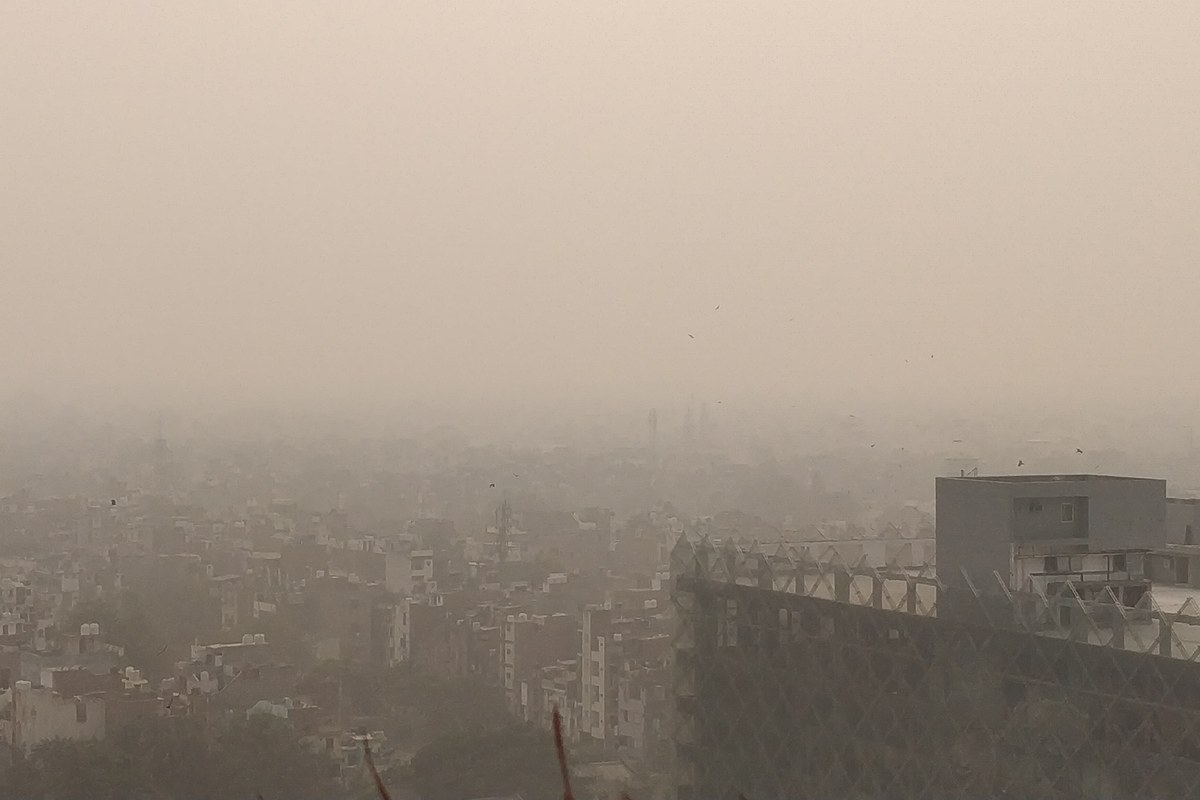
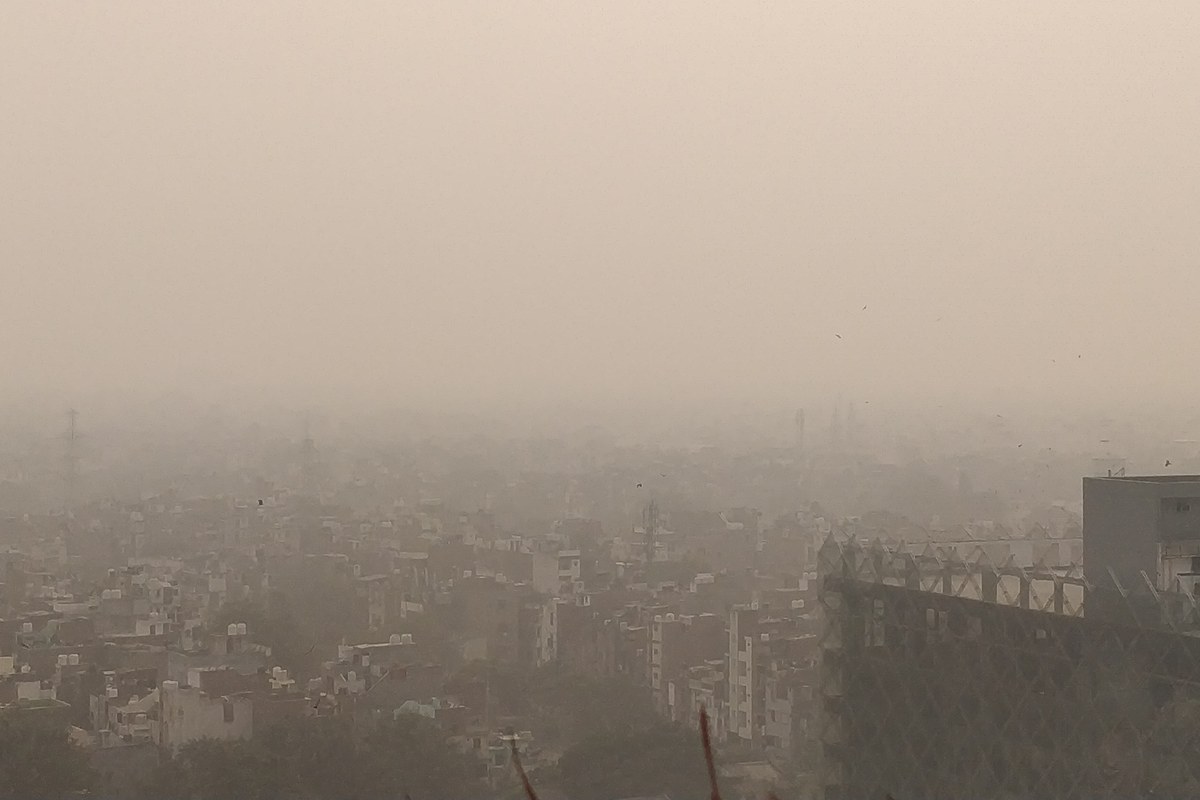
What is happening? Delhi’s 24-hour average air quality index (AQI) was 226 on Friday, 27 November, in the ‘poor’ category, up two points from 224 on Thursday, according to the Central Pollution Control Board (CPCB). The Indian Express reports that this extends a 13-day stretch in ‘poor’. The India Meteorological Department’s early-warning system forecasts ‘poor’ on Saturday, ‘very poor’ on Sunday, 29 November, and a return to ‘poor’ on Monday, Hindustan Times reported. The CPCB’s bands are 201-300 for ‘poor’ and 301-400 for ‘very poor’. Of 57 Delhi stations that reported on Friday, 16 recorded ‘very poor’ air, 26 ‘poor’ and 15 ‘moderate’.
Are farm fires to blame? Not much now. Satellites logged 13 fires in Punjab and three in Haryana on Friday, The Indian Express reported. Between 15 September and 27 November, satellites detected 19,392 burning events across seven monitored states, down 39.3% from 31,948 in the same period last year and 82% below the 1,07,693 recorded in 2020. Data from the CREAMS Lab at ICAR-IARI shows this is the lowest season total since monitoring began in 2020. Punjab was the exception: its 7,191 fires were 40.8% up on last year, though 91.3% below its 2020 peak. Punjab’s fires peaked between 3 and 9 November and have fallen about 94% since.
What is keeping the air bad? Delhi’s own emissions and the region’s baseline pollution, according to the Indian Institute of Tropical Meteorology’s (IITM) source estimates for Friday. Vehicles were the biggest source of PM2.5 at 32%. Biomass burning, which covers stubble as well as dung cakes and wood used as household fuel, contributed 22.8%, and secondary organic aerosols 14%. Secondary inorganic pollutants such as nitrate, ammonia and sulphate added 12.3%, burning of municipal waste, plastic, rubber and e-waste 10.7%, and industry 4.2%, The Indian Express reported.
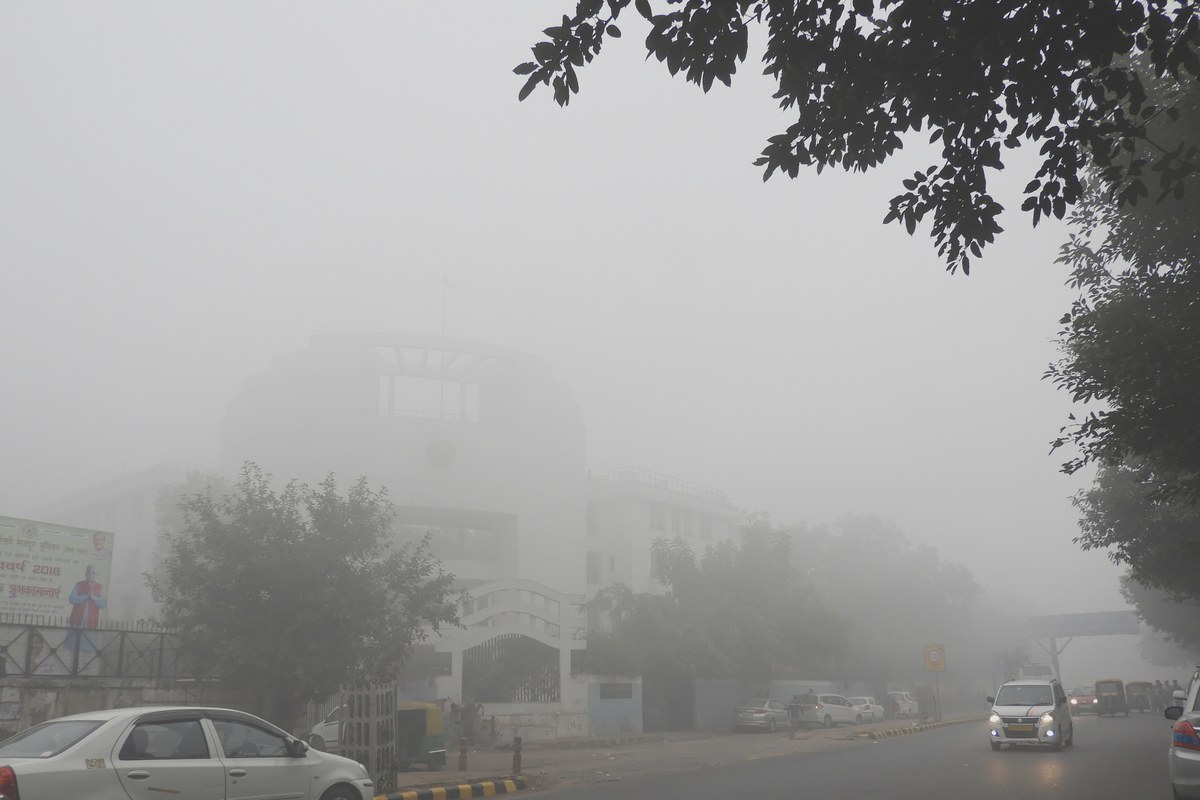
Why does it not clear? The weather is holding the pollution close to the ground. The IMD’s ventilation index, a measure of how well the atmosphere disperses pollutants, was 1,300 square metres per second on Friday and is forecast at 1,500 on Saturday. Efficient dispersal needs about 6,000. The maximum mixing depth is only about 1,100 to 1,200 metres, so emissions from traffic, waste burning and industry stay trapped near the surface. Safdarjung’s minimum temperature was 9.3°C on Friday, one degree below normal, and colder, calmer nights make it worse, The Indian Express reported.
Is it only Delhi? No. Air in the wider NCR was worse than in the capital on Friday, The Indian Express reported. Ballabgarh recorded an AQI of 349 and Meerut 317, both ‘very poor’, followed by Ghaziabad at 259, Noida at 245 and Gurugram at 203. The CPCB data put Delhi among the worst 10% of 273 monitored cities in the country.
What next? Besides the Sunday forecast, the Commission for Air Quality Management’s chairperson, Rajesh Verma, reviewed on Friday the progress of an emission inventory and source apportionment study for Delhi-NCR at IIT Delhi. It covers transport, industry, open burning, households, road dust, construction, diesel generators and agriculture for the 2026 base year, Hindustan Times reported. Earlier this month, Delhi overtook Lahore as the world’s most polluted city on IQAir’s ranking, as The Indian Idiot reported.
More to read


Behind the story
Read the sources and explore the context for yourself.
- The Indian Express: Farm fires season near end but traffic, local pollution set to worsen Delhi AQI (28 Nov 2026)indianexpress.com
- Hindustan Times: Delhi air quality may hit ‘very poor’ by Nov 29 (28 Nov 2026)hindustantimes.com
- The Indian Idiot: Delhi most polluted city in the world, Delhi overtakes Lahore (13 Nov 2026)theindianidiot.com