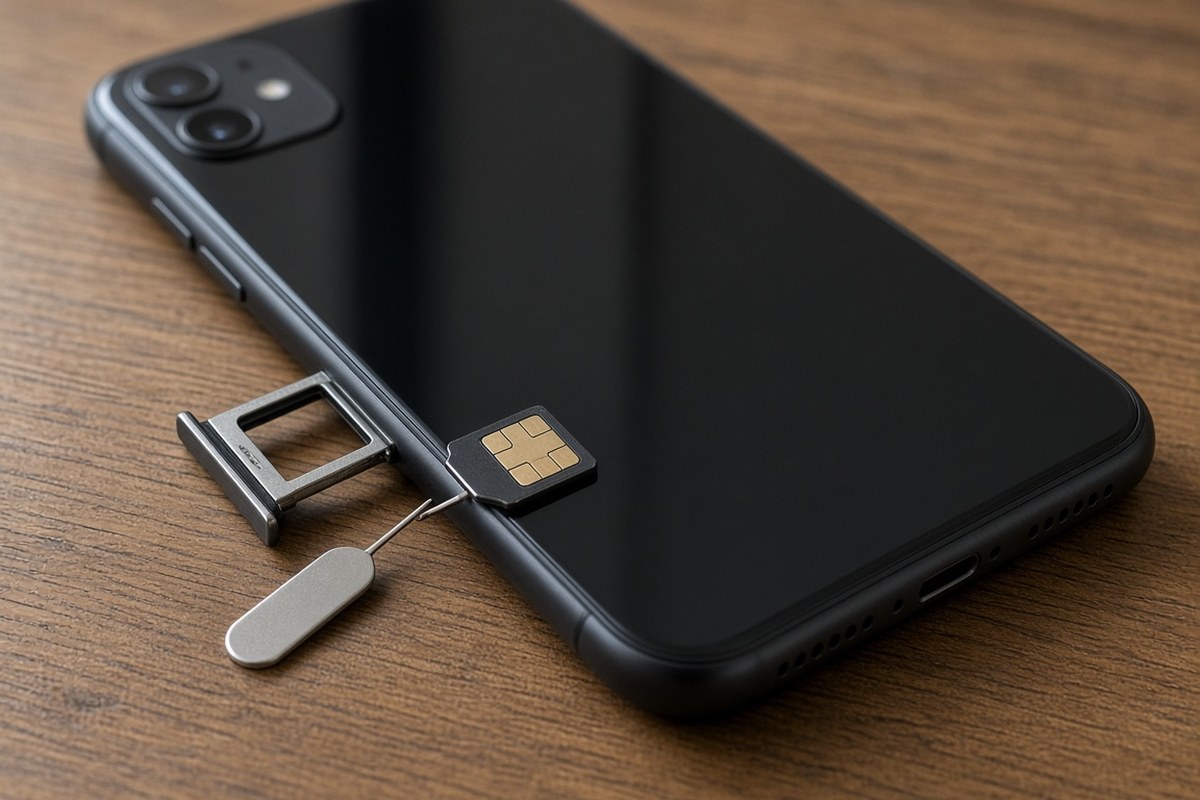
SIM binding, the government rule that will require messaging apps such as WhatsApp and Telegram to stay linked to the SIM card in your phone, was back in the spotlight on Thursday, October 22, after reports said it is set to take effect from January 1, 2027. The apps have until December 31, 2026 to comply, CNBC-TV18 and Mint reported. Here is what the rule says and what it could mean for you.
What is SIM binding? Most messaging apps check your phone number once, with a code sent by SMS. After that, the account keeps working even if the SIM card is removed, replaced or deactivated. Under SIM binding, the app has to stay tied to the active SIM it was registered with, and that SIM has to be present in the device.
Who ordered it? The Department of Telecommunications (DoT) issued the directions on November 28, 2025, under the Telecom Cyber Security Rules, 2024. They cover eight apps: WhatsApp, Telegram, Snapchat, Arattai, ShareChat, Josh, JioChat and Signal. The apps were first given 90 days to implement the change and 120 days to report compliance.
Why? The DoT says accounts that keep working after a SIM is removed, deactivated or taken abroad are being used for anonymous scams, “digital arrest” frauds and calls impersonating government officials with Indian numbers. “With cyber‑fraud losses exceeding ₹22,800 crore in 2024 alone, these uniform, enforceable directions under the Telecom Cyber Security Rules are a proportionate measure to prevent misuse of telecom identifiers, ensure traceability, and protect citizens’ trust in India’s digital ecosystem,” the department said. It pointed out that banking and UPI apps already bind themselves to a device and SIM in a similar way.
Why did the deadline move? The compliance date was earlier March 28, 2026. In April, Minister of State for Telecom Pemmasani Chandra Sekhar told the Rajya Sabha that the timeframe had been set as December 31, 2026. Platforms told The Economic Times that making SIM binding work across both Android and Apple’s ecosystem would take time, with technical readiness expected only by October or November 2026.
What about WhatsApp Web? The original order said web and desktop sessions must log users out every six hours and make them re-link with a QR code. That was dropped. Sessions now have to be ended based on a risk assessment, immediately in cases of suspected fraud, officials told The Economic Times, and the minister said the government had not specified any fixed logout period.
Who could be affected? If your registered SIM stays in your phone, little should change. The likely friction points are people who take out or deactivate that SIM, use WhatsApp or Telegram on a tablet or a second phone without a SIM, or swap SIM cards while travelling, CNBC-TV18 and Mint reported. The DoT has said the rule does not affect people on roaming who keep their SIM in the handset.
What is still unclear: the exact effect will depend on how each platform builds it, and the rules do not say every account will stop working on January 1, Mint noted. WhatsApp has reportedly begun beta testing SIM binding on Android. A survey by the think tank CUTS International found that 80% of consumers and more than 60% of small businesses expected disruption. Apps that fail to comply could face action under the Telecommunications Act, 2023.
More to read


Behind the story
Read the sources and explore the context for yourself.
- CNBC-TV18: WhatsApp, Telegram may stop working without registered SIM under new rules from January 1 (22 Oct 2026)cnbctv18.com
- Mint: WhatsApp, Telegram SIM binding rules from January 1, 2027: who will be affected in India? (22 Oct 2026)livemint.com
- PIB (Ministry of Communications): DoT’s directions for SIM binding for prevention of misuse of telecommunication identifiers (1 Dec 2025)pib.gov.in
- The Hindu BusinessLine (PTI): Govt sets December 31 deadline for SIM-binding compliance by apps (2 Apr 2026)thehindubusinessline.com
- The Economic Times: DoT extends deadline for OTT app SIM-binding to December 31 (1 Apr 2026)economictimes.indiatimes.com