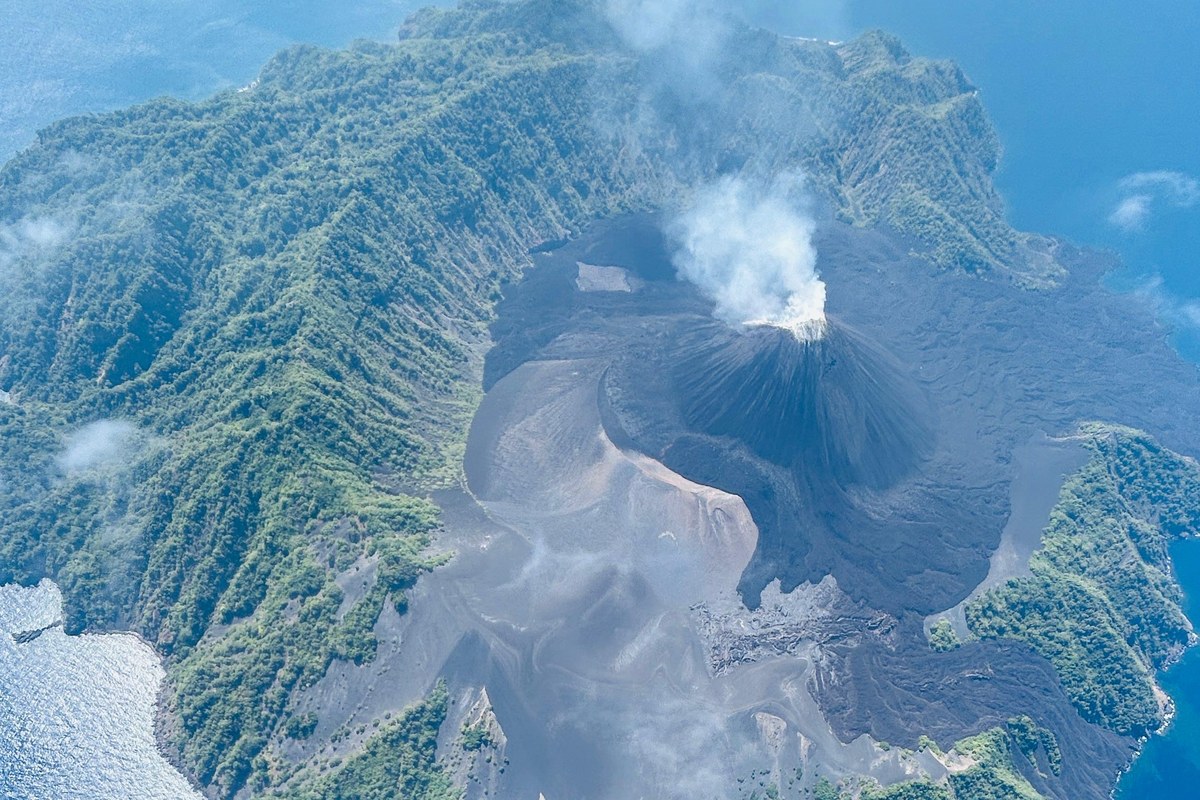
Three Indian sites have been added to India’s Tentative List under the UNESCO World Heritage Convention: the Karst-mud-volcano Complex of Baratang and the Andaman Subduction Volcanoes in the Andaman and Nicobar Islands, and the Sirpur Cultural and Archaeological Landscape in Chhattisgarh. India’s Permanent Delegation to UNESCO in Paris announced the additions in a press release dated October 20 and credited the Archaeological Survey of India for its work.
A tentative listing is not World Heritage status. It is the inventory a country keeps of places it may nominate, and inclusion is a prerequisite for any nomination. India currently has 45 World Heritage Sites, according to The Times of India.
The Baratang entry covers limestone caves and mud volcanoes on Baratang Island, about 100 km north of Sri Vijaya Puram. The mud volcanoes, called “Jalki” locally, are not driven by magma. They release cool slurries of mud, water and gases, mainly methane and hydrogen sulphide. UNESCO’s entry says there are four clusters and that they erupted again in 2025 after 20 years of dormancy.
The Andaman Subduction Volcanoes are Barren Island and Narcondam. Barren Island, about 138 km north-east of Sri Vijaya Puram, is described as South Asia’s only active volcano, covering about 8.34 sq km and rising to 354 metres. Its first recorded eruption dates to 1787. Narcondam is a 6.8 sq km island rising to 710 metres; the entry says its name comes from ‘Naraka-Kundam’, or ‘a pit of hell’.
Sirpur, in Mahasamund district on the eastern bank of the Mahanadi and 78 km from Raipur, was a capital of the Kosala kingdom under the Sharabhapuriya dynasty and grew under the Panduvamshis. Its remains include Vaishnava and Shaiva temples, Buddhist monasteries and viharas, homes, learning centres, trading spaces and ghats, many of them built between the 5th and 12th centuries CE. Many structures use local stromatolite rock, formed by cyanobacteria, as building stone.
More to read




Behind the story
Read the sources and explore the context for yourself.
- The Times of India: Two Andaman, one Chhattisgarh site added to UNESCO World Heritage tentative list (20 Oct 2026)timesofindia.indiatimes.com
- UNESCO World Heritage Centre: Karst-mud-volcano Complex of Baratang (Tentative List)whc.unesco.org
- UNESCO World Heritage Centre: Andaman Subduction Volcanoes (Tentative List)whc.unesco.org
- UNESCO World Heritage Centre: Sirpur Cultural and Archaeological Landscape (Tentative List)whc.unesco.org