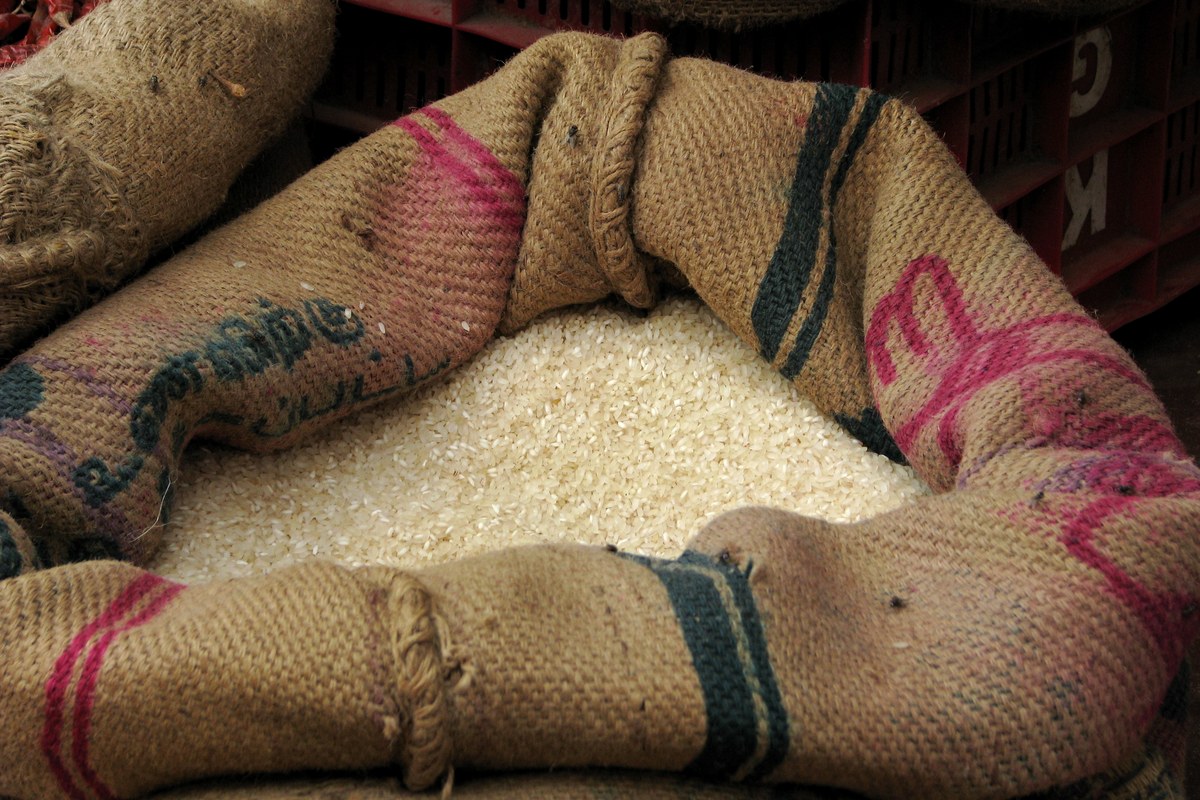
The Tamil Nadu government on Friday (13 November) imposed stock limits on paddy, rice, tur dal and urad dal held by wholesalers, retailers, millers, importers and processors. The orders, aimed at preventing hoarding amid concerns over inflation and high food prices, apply across the state and came into force with immediate effect. Anyone holding more than the permitted quantity must bring stocks within the limits by 16 November.
For paddy and rice, wholesalers can hold up to 2,000 metric tonnes (MT) and retailers 8 MT per outlet. Big chain retailers are limited to 8 MT per outlet, with an overall cap of 8 MT multiplied by the number of outlets. Rice millers cannot hold more than one month's production capacity, and importers cannot keep imported stock beyond 45 days from customs clearance. For processors, the limit is 60% of monthly installed capacity multiplied by the months left until January 2027. This order, the Tamil Nadu Paddy/Rice (Stock Limit) Control Order, 2026, stays in force until 31 January 2027.
A separate order, the Tamil Nadu Tur and Urad Pulses (Storage Control) Order, 2026, is effective for three months from 13 November. For each variety of pulse, wholesalers can hold 200 MT and retailers 5 MT. Big chains can hold 5 MT per outlet and 200 MT per depot. Millers can hold their last three months' production or 25% of annual installed capacity, whichever is higher, and importers are again limited to 45 days from customs clearance.
Entities covered by the orders must declare their stock positions on the Department of Consumer Affairs' stock-limit portal and keep updating them regularly. The orders were issued under Section 3 of the Essential Commodities Act, 1955, by the state's Cooperation, Food and Consumer Protection Department under Additional Chief Secretary P. Amudha, The Hindu reported. The Hindu called them "rare orders". They override the relevant provisions of the Centre's 2016 order that removed stock limits on specified foodstuffs, but only for these state-specific restrictions. India Today, citing the Press Trust of India, said the state issued the orders with the Centre's prior approval.
More to read





Behind the story
Read the sources and explore the context for yourself.
- The Hindu: Tamil Nadu government imposes stock limits on paddy, rice and pulses; excess stocks must be cleared by November 16 (14 Nov 2026)thehindu.com
- Times of India: Tamil Nadu govt caps stocks of paddy, rice, tur and urad pulses (13 Nov 2026)timesofindia.indiatimes.com
- India Today: Tamil Nadu: Vijay government sets stock limits on rice, paddy, pulses to curb hoarding (14 Nov 2026)indiatoday.in