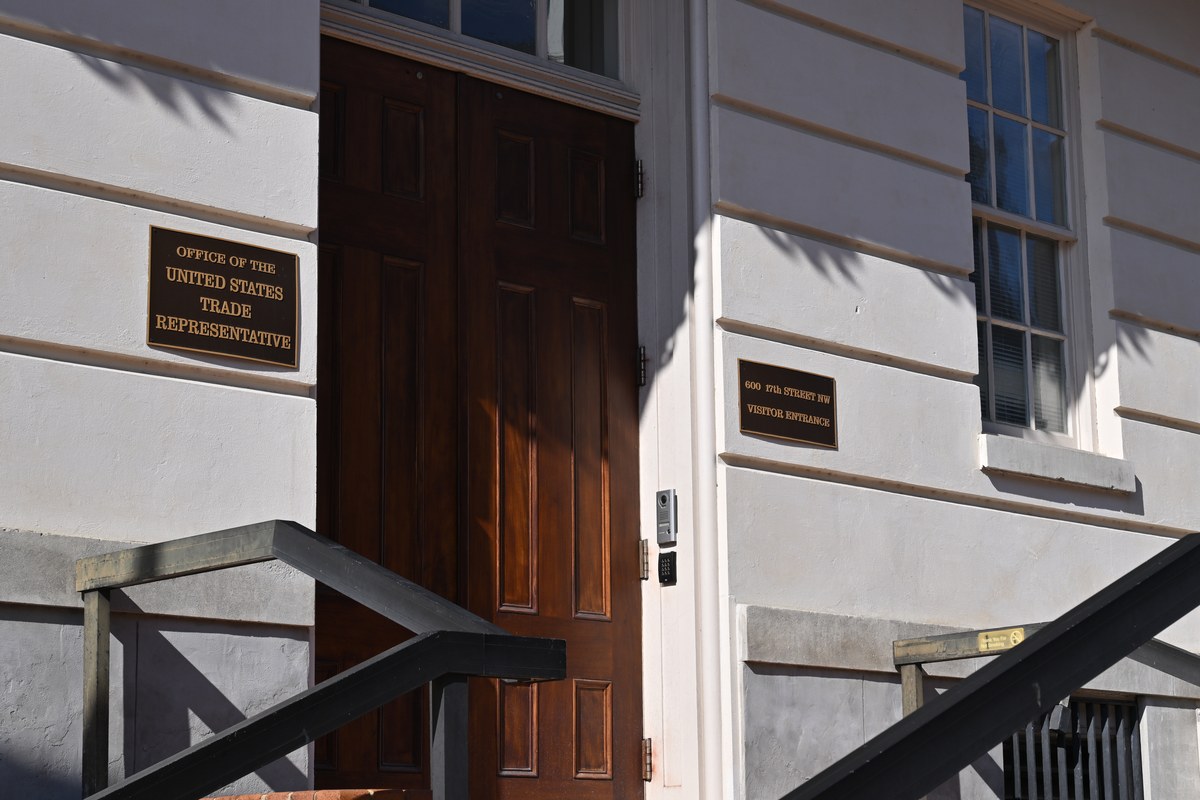
What has the US proposed for India? On 25 November, the US Trade Representative (USTR) proposed tariffs of up to 25% on all Indian goods, with exemptions for certain products. The USTR said the rate could be 17% if India signs a reciprocal trade agreement that responds to its findings. It is a proposal, not a duty in force, and the same exercise covers 14 economies, including China, Japan, the EU and Vietnam. Our news report has the latest.
What is Section 301? It is a provision of the US Trade Act of 1974 that lets Washington respond to foreign practices it considers unjustifiable, unreasonable or discriminatory and harmful to US commerce. Under it, the USTR can start its own investigation, which it did on 11 March 2026 against 16 economies. It later received testimony from nearly 140 witnesses and 1,070 written comments, according to the USTR.
Why use this law now? Reuters reported that the Trump administration is trying to rebuild its tariff leverage after the US Supreme Court struck down its broad global duties in February, which had been imposed under a national emergencies law. Section 301 is a trade law that courts have tested before, so it puts the tariffs on firmer legal ground.
What does the US accuse India of? The USTR concluded that India’s policies create or contribute to “structural excess capacity”, meaning under-used industrial capacity that government policies keep alive or expand. It cited industrial plans to expand manufacturing, inadequate labour protections, financial repression policies, market access barriers and a failure to address excess capacity abroad. It highlighted pharmaceuticals and medical devices, steel, solar, and information and communications technology.
What does India say? The Commerce Ministry said the notice is under examination and that India has no structural excess capacity in any sector. It wants any trade concerns handled inside the ongoing talks on a Bilateral Trade Agreement, and said it remains committed to concluding that deal early.
Why 25% and 17%? The USTR proposed “up to” 25% on India and said it would consider a lower 17% if India reaches an Agreement on Reciprocal Trade with the US. Reuters reported that the new duties are meant to stay within the caps agreed in completed or ongoing trade deals. That is why countries with deals, such as Japan, South Korea and the EU, face 15%, while Vietnam’s proposed rate is 20% with a deal and 35% without one.
Will it hit Indian exporters straight away? No. The USTR is taking public comments until 5 January 2027, with hearings starting on 25 January, The Hindu BusinessLine reported. Reuters reported that the tariffs would not take effect until after that hearing, and that the new duties would not stack on top of sectoral national-security duties on steel, aluminium, autos and other goods.
What should we watch next? Whether India and the US conclude the trade agreement before the hearings, and whether the final rate lands at 17% or closer to 25%. The Global Trade Research Initiative has already called the structure a “coercive bait for one-sided trade deals”, Moneycontrol reported, while the Indian government says talks are the right place to settle the issue.
More to read


Behind the story
Read the sources and explore the context for yourself.
- USTR: Determinations and proposed actions in 14 Section 301 investigations on structural excess capacity (25 Nov 2026)ustr.gov
- Reuters: Trump unveils new tariffs over excess industrial capacity, undeterred by midterms defeat (25 Nov 2026)reuters.com
- Moneycontrol: India says no structural excess capacity, wants US trade concerns addressed through trade deal (26 Nov 2026)moneycontrol.com
- The Hindu BusinessLine: US trade concerns should be addressed through BTA, USTR notice ‘under examination’: Commerce Ministry (26 Nov 2026)thehindubusinessline.com
- The Indian Express: US tariffs: Commerce Ministry bats for resolution within trade deal framework (26 Nov 2026)indianexpress.com
- The Indian Idiot: US proposes 25% tariff on Indian goods; India says no excess capacity (26 Nov 2026)theindianidiot.com