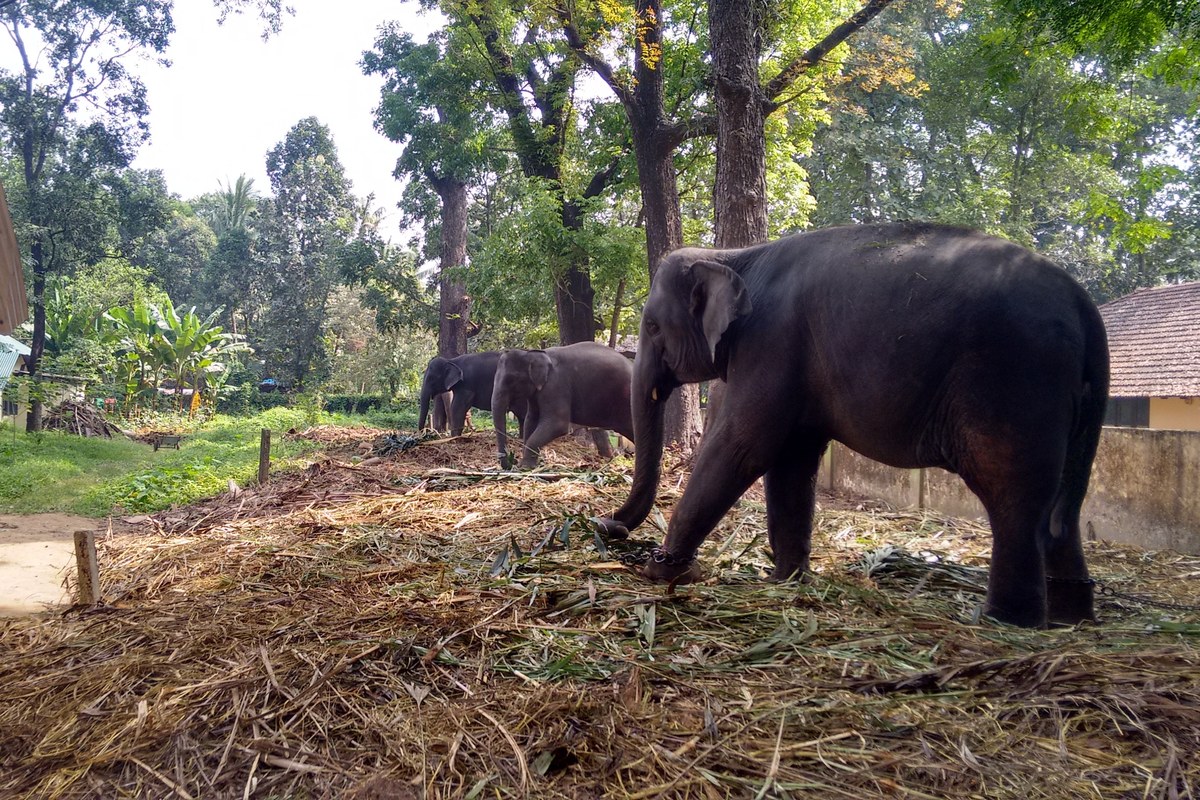
When Kerala’s medical board recommended euthanasia for elephant calf Maya in late October, the core finding was severe osteopenia: her bones had far less mineral density than normal and had become extremely brittle after a July fall. That diagnosis is why a transfer to Vantara was framed as a last specialised chance rather than routine rehab.
What is osteopenia? In plain terms it is reduced bone mineral density — bones that are thinner and weaker than they should be, though not always as advanced as full osteoporosis in human medicine. Indian Express quoted Chief Wildlife Warden Dr P. Pugazhendi describing Maya’s “serious bone disease” in those terms: lower-than-normal mineral density that makes fractures more likely.
Why is it so dangerous for an elephant calf? Elephants carry enormous weight on vertically stacked limb bones. Any sharp drop in bone strength quickly ends standing, walking and feeding. After Maya’s July shoulder injury, load shifted to the other forelimb; further fractures, pressure sores and a chest infection followed. By late October she could not stand and was on liquid food.
What may have caused Maya’s case? Reports point to a likely congenital or metabolic problem, not a simple diet slip. Vantara veterinary adviser Dr Kushal Konwar Sarma flagged a possible parathyroid-related disorder affecting calcium and phosphate balance — a hypothesis, not a confirmed public diagnosis. Blood markers and radiographs of brittle, osteopenic bone drove the board’s grim prognosis before the transfer.
What can specialised care try? Vantara’s stated plan includes continuous monitoring, pain control, advanced diagnostics, hydraulic lifting so she is not crushed by her own weight, hydrotherapy where useful, and a multi-month protocol that may involve hormone support and supplements. Kerala keeps formal charge of her care; Vantara has said it will help return her to Abhayaranyam if treatment works. Survival is not guaranteed.
Why explain this now? Maya’s airlift on 6 November turned a rare veterinary term into a national search phrase overnight. Understanding osteopenia clarifies why euthanasia was even discussed — and why a six-month specialised attempt is the story’s real stakes.
More to read

Behind the story
Read the sources and explore the context for yourself.
- Indian Express: Maya’s osteopenia and Vantara transfer (7 Nov 2026)indianexpress.com
- Times of India: Maya airlifted for osteopenia treatment (6–7 Nov 2026)timesofindia.indiatimes.com
- Hindustan Times: parathyroid-related disorder noted before transfer (6 Nov 2026)hindustantimes.com
- The Hindu: congenital defective bone formation assessment (6 Nov 2026)thehindu.com
- New Indian Express: Maya’s July fall and transfer (7 Nov 2026)newindianexpress.com
- Manorama Online: osteopenia in elephants explained with Maya peg (6 Nov 2026)manoramaonline.com
- The Indian Idiot: Maya airlifted to Vantara (same batch)theindianidiot.com