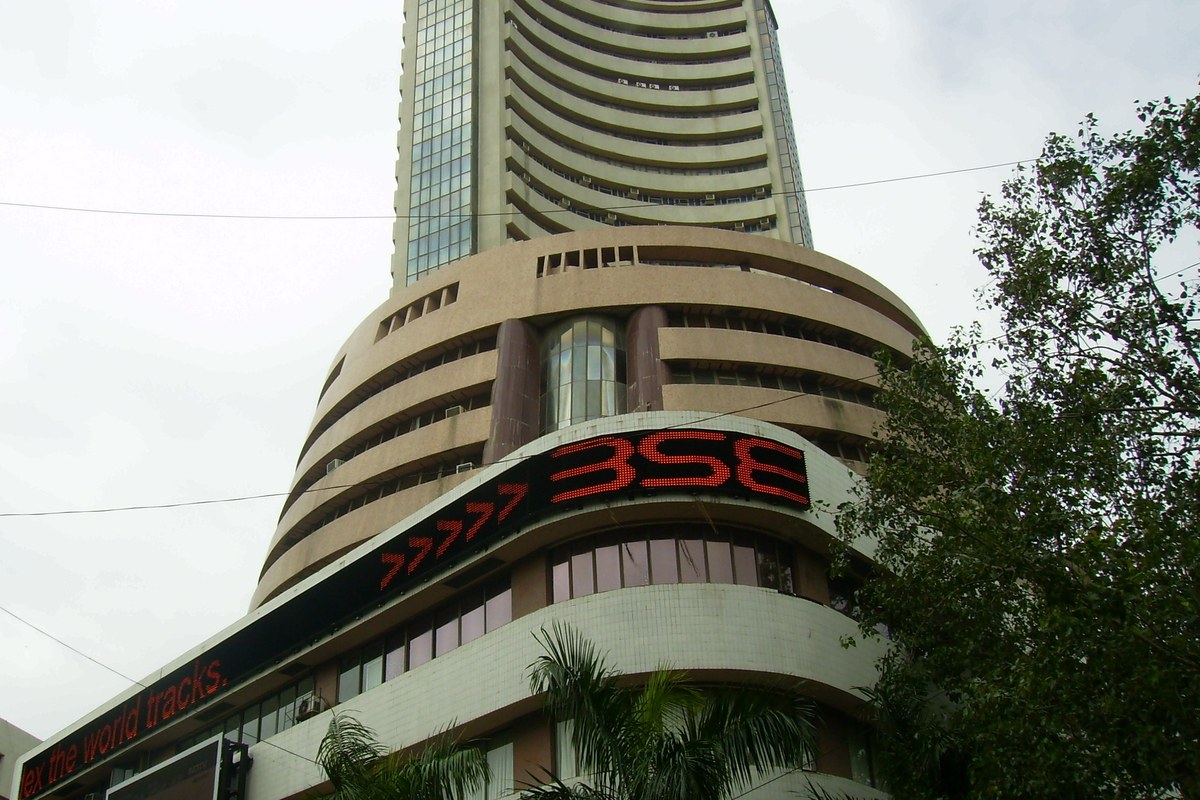
Jio Platforms’ initial public offering opens for bids on Wednesday, October 21, and closes on Friday, October 23. The company is selling up to 27 crore new shares in a price band of ₹1,065 to ₹1,119, which works out to about ₹30,213 crore at the top end. That would make it India’s largest IPO, ahead of Hyundai Motor India’s 2024 issue. There is no offer for sale by existing shareholders: all the money goes to the company.
Shares are sold in lots of 12, so one lot costs ₹13,428 at the upper price. Investors bidding up to ₹2 lakh count as retail and can apply for up to 14 lots, or 168 shares. Under the red herring prospectus, at least 35% of the net offer is for retail investors, at least 15% for non-institutional investors and not more than 50% for qualified institutional buyers.
Two smaller quotas sit outside that split. Eligible employees can bid in a portion of up to ₹500 crore at a ₹54 discount per share. Shareholders of Reliance Industries as of October 14 can bid in a separate reservation of up to ₹2,500 crore, without a discount. Business Today, citing the offer document, reports that an eligible RIL shareholder can also place a separate retail bid; an analyst it quoted said this can improve the chances of allotment but does not guarantee one.
Before the issue opened, anchor investors bought 7,24,74,066 shares at ₹1,119 on October 19, worth about ₹8,110 crore, according to a BSE notice. PTI reported that the anchor book drew bids of more than ₹2.5 lakh crore. LIC received the largest single allocation, about ₹500 crore. Under the prospectus, half the anchor shares are locked in for 30 days after allotment and half for 90 days.
If the retail portion is oversubscribed, SEBI’s rules aim to give as many applicants as possible at least one lot, picked by a draw of lots, rather than spreading shares proportionately among large bids. UPI mandates must be approved by 7 pm IST on October 23, according to the prospectus. The basis of allotment is expected around October 26 and listing on BSE and NSE around October 28.
The grey market premium often quoted online is informal and not part of the offer document, which notes there has been no formal market for the shares before listing. Anchor demand shows institutional interest, but it does not guarantee listing-day gains. This article explains the process and is not investment advice.
More to read




Behind the story
Read the sources and explore the context for yourself.
- SEBI: Jio Platforms Limited – Red Herring Prospectus (14 Oct 2026)sebi.gov.in
- Chittorgarh: Jio Platforms IPO dates, price band and tentative timetablechittorgarh.com
- The Economic Times: LIC, BlackRock, Fidelity, GIC among 212 anchor investors in Jio IPOeconomictimes.indiatimes.com
- Business Today: Jio Platforms IPO – categories, allotment rules and what to knowbusinesstoday.in
- ICICI Direct: Jio Platforms IPO and shareholder category detailssecure.icicidirect.com
- BSE Notice 20261019-46: Jio Platforms – Allocation to Anchor Investorsbseindia.com
- The Hindu / PTI: Jio Platforms’ anchor book draws record ₹2.5 lakh crore in bids (20 Oct 2026)thehindu.com
- SEBI: FAQs on public issues and minimum application allotmentsebi.gov.in