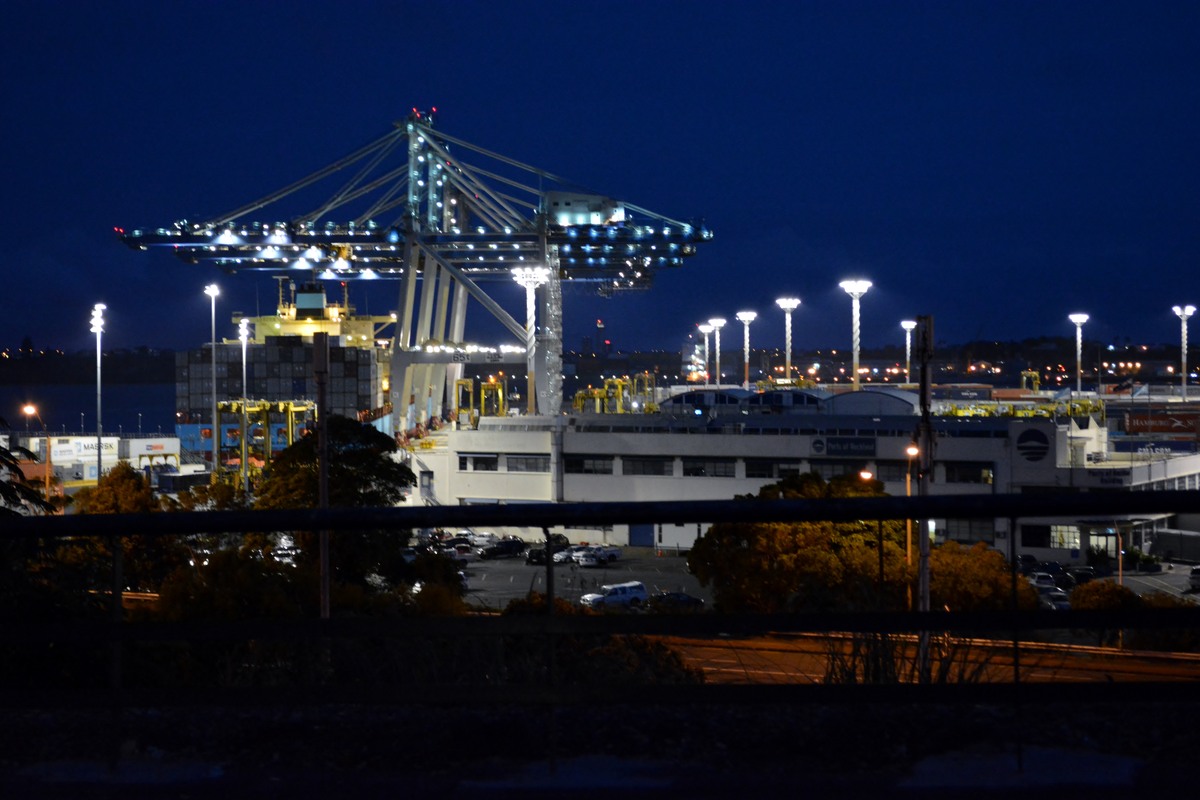
Qualifying Indian goods gained duty-free access to New Zealand on October 20 as the countries' free trade agreement entered into force. New Zealand's government confirmed the pact was open for business on Tuesday, moving it from a signed agreement to rules exporters can use.
For Indian exporters, the change removes New Zealand customs duties across all tariff lines, including rates that previously reached 10 per cent. India's commerce ministry identified textiles, clothing, leather, footwear, engineering goods and auto components among the sectors expected to benefit. Goods must meet the agreement’s origin requirements to receive its benefits.
The opening is not identical in both directions. New Zealand says almost 57 per cent of its exports to India become tariff-free immediately, with that share rising to 82 per cent over time. Across the agreement, 95 per cent of its current exports will receive either tariff elimination or reductions.
Sheep meat, wool and coal are among the New Zealand products losing their Indian import duties from the start. More than 95 per cent of New Zealand's forestry and wood exports also become tariff-free, according to Trade and Investment Minister Todd McClay's announcement.
India has kept sensitive products including dairy, sugar and edible oils outside the concessions. Access for apples, kiwifruit and Mānuka honey is tied to quotas and agricultural cooperation plans, rather than an unrestricted opening of those markets, the commerce ministry said.
The agreement was signed in New Delhi on April 27, and the two countries completed ratification on September 21. October 20 is therefore the implementation milestone, not the date negotiations ended or the pact was first signed. Another round of tariff cuts is due on January 1, 2027, New Zealand's government said when ratification was completed.
More to read
Photograph. · Archive photo: India play Malaysia at the Commonwealth Games in Delhi on 5 October 2010. This is not an image of the 2026 Asian Champions Trophy. · Credit: Rohit Markande, “IndianHockeyGameSnapshot” / Wikimedia Commons, CC BY-SA 2.0 · Image source · License: CC BY-SA 2.0 · Changes: Slightly cropped to 3:2, resized and JPEG recompressed. Adapted photograph licensed CC BY-SA 2.0.
Trending
Fans can watch all 20 Asian Champions Trophy hockey matches for free in Punjab

Behind the story
Read the sources and explore the context for yourself.