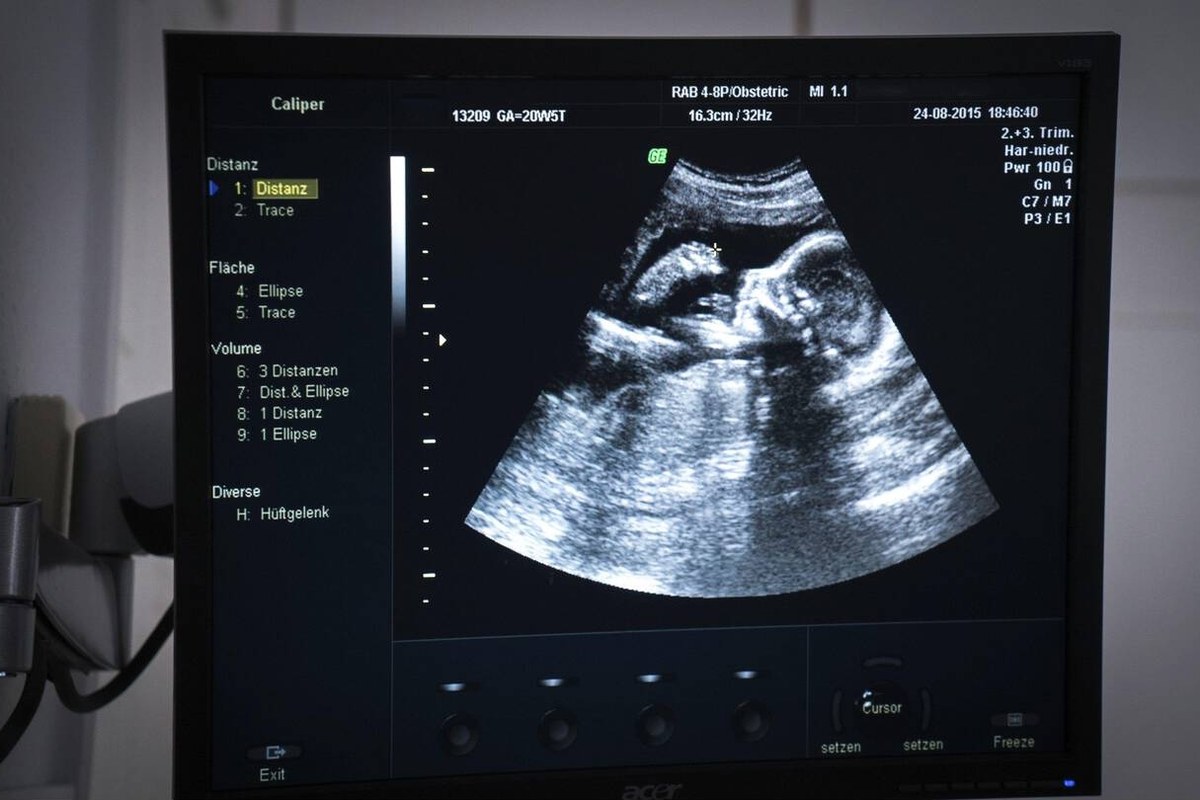
AIIMS Delhi’s open foetal surgery on 12 November, the first of its kind in India, left an obvious question: how do you operate on a baby who has not been born yet, and is it worth the risk? The answers below come from AIIMS’s statement, trial evidence and the reporting around it. This is general information, not medical advice.
What was the baby’s condition? It is called myelomeningocele, the most severe form of spina bifida. The neural tube, which becomes the brain and spinal cord, closes by about 28 days after conception, often before a woman knows she is pregnant. When it does not close completely, part of the spinal cord and its coverings push out through an opening in the spine, which can expose delicate nerves to damage.
Why operate before birth? The standard approach is to repair the defect after the baby is born, but by then some neurological damage may already have occurred. Exposed spinal tissue can also be damaged further during pregnancy. Prenatal repair tries to protect the nerves earlier.
What does open foetal surgery involve? Doctors open the mother’s abdomen and uterus to reach the baby, then use ultrasound guidance and specialised instruments to find the defect and close it. At AIIMS, a team of more than 30 doctors and nurses did this over six hours, with high-end microscopy and continuous ultrasound.
Does the evidence support it? Yes, for carefully selected cases. The main proof is the US-based Management of Myelomeningocele Study (MOMS), published in the New England Journal of Medicine in 2011. It found that babies who had surgery before 26 weeks of pregnancy were much less likely to need a shunt to drain fluid from the brain by 12 months: about 40% against 82% in the group repaired after birth. At 30 months they also did better on motor function, and 42% were walking independently, compared with 21%.
What are the risks? They are real. AIIMS named prematurity and uterine-scar complications. Other reported risks include premature labour, bleeding and infection, and the scar on the uterus may affect future pregnancies. In the MOMS trial, more babies in the surgery group were born early. That is why doctors recommend the surgery only after detailed evaluation and counselling, and only at specialised centres.
Is it a cure? No. Deepak Gupta, who led the neurosurgical part at AIIMS, said it “is not a cure, and long-term multidisciplinary care remains essential”. Children may still need further surgery, rehabilitation and long-term medical support, The Times of India reported.
Can spina bifida be prevented? Often, the risk can be reduced. The National Health Mission’s 2024 guidelines recommend 400 micrograms of folic acid daily before pregnancy and through the first 12 weeks after conception, which the guidelines say can reduce neural tube defects by nearly 75%, The Times of India reported. AIIMS stressed that foetal surgery is not a substitute for prevention.
What happens next? The mother and foetus remain under close monitoring through pregnancy, delivery and the newborn period, AIIMS said. How the baby fares will only become clear over time. The surgery was free for the family under the JSSK scheme. The Indian Idiot’s earlier report on the operation has the full details.
More to read




Behind the story
Read the sources and explore the context for yourself.
- The Indian Idiot: AIIMS Delhi performs India’s first open foetal surgery on a baby’s spine in the womb (17 Nov 2026)theindianidiot.com
- The Hindu: AIIMS Delhi performs a life-changing spinal repair in utero, before the patient’s first breath (16 Nov 2026)thehindu.com
- The Times of India: AIIMS creates medical history with India’s first fetal spine surgery (17 Nov 2026)timesofindia.indiatimes.com
- Education Times: AIIMS Delhi performs India’s first Fetal Surgery to repair baby’s spinal defect at 25 weeks of pregnancyeducationtimes.com
- India Today: AIIMS Delhi performs six-hour fetal surgery to treat rare spinal condition at 25 weeks (17 Nov 2026)indiatoday.in
- New England Journal of Medicine: A Randomized Trial of Prenatal versus Postnatal Repair of Myelomeningocele (MOMS, 2011)nejm.org
- UC San Francisco: Fetal Surgery for Spina Bifida More Effective Than Operating After Birth (2011)ucsf.edu