
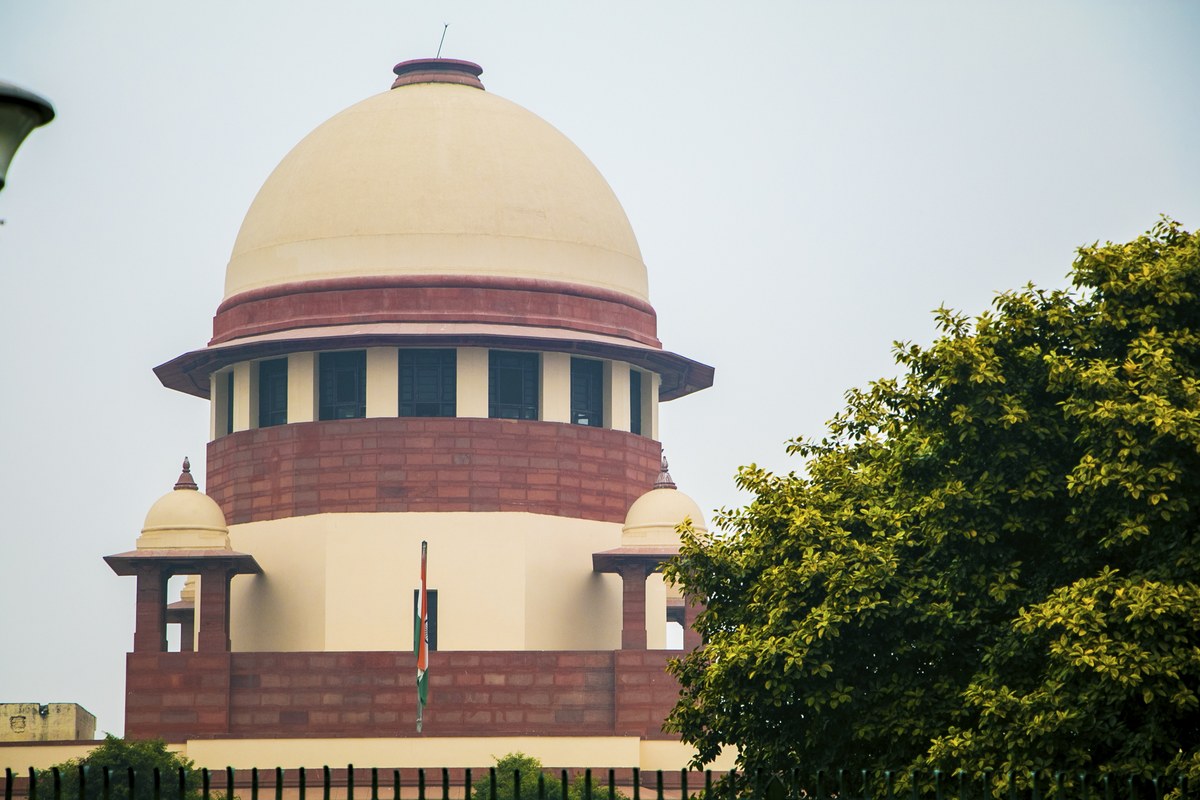
What happened? On Thursday (29 October), the Supreme Court said it proposed to direct that banks compensate victims of “digital arrest” frauds, and face prosecution, if it is established that the fraud happened because the bank failed to exercise due diligence, The Indian Express reported. Victims should get at least the amount they lost in such cases, the bench said, according to PTI.
What is a digital arrest scam? Fraudsters pose as police, CBI or other officials, falsely tell a person they or a relative are caught up in a crime such as drug trafficking or money laundering, and keep them on a video call as if under arrest until they transfer money. The Indian Cyber Crime Coordination Centre (I4C) has warned that these agencies and judges “DO NOT arrest you on video call”.
Is the compensation rule final? No. It is a proposal made during the hearing of a case the court took up on its own. The bench of Chief Justice Surya Kant and Justices Joymalya Bagchi and V Mohana said it would examine the RBI’s proposed Know Your Customer (KYC) Amendment Directions, 2026, which are expected to be notified by 30 November and to take effect in December, Moneycontrol reported.
Why is the court pushing the RBI? The Chief Justice said the RBI was “soft pedalling” the issue and objected to calling the coming rules “guidelines”. “Unless you have a sting in those guidelines …. There will be zero debit from the account of the victim. The amount will remain intact. The bank will have to pay,” he said, according to The Indian Express.
What could banks have to do? The bench suggested that banks temporarily hold transactions that look unusual compared with a customer’s past activity, send an automatic alert to the local police station and verify the transaction before releasing the money, Moneycontrol reported. Attorney General R Venkataramani said digital arrest cases had fallen by half since the court stepped in.
How big is the problem? The Chief Justice called digital arrest “the biggest financial fraud” on the country’s economy. Victims have lost about ₹800 crore to such offences this year, he said, according to Moneycontrol.
What happens next? The RBI must list all financial institutions the new rules will cover, and state police chiefs must report details of digital arrest FIRs and investigations to the court and the I4C.
What should you do if you get such a call? Hang up. No agency arrests anyone over a video call, and any “court order” can be checked on the court’s website. Report suspected fraud quickly on the national helpline 1930 or at cybercrime.gov.in.
More to read




Behind the story
Read the sources and explore the context for yourself.
- The Indian Express: May make banks pay digital arrest victims if due diligence fails: Supreme Court (29 Oct 2026)indianexpress.com
- DT Next (PTI): 'What is wrong with victims': SC expresses shock how educated people getting digitally arrested (29 Oct 2026)dtnext.in
- Moneycontrol: Digital fraud: SC asks RBI to submit list of banks to be regulated by its guidelines, seeks measures to compensate losses (29 Oct 2026)moneycontrol.com
- NDTV (PTI): No One Can Arrest Through Video Calls: Cyber Security Agency On Scam Calls (I4C advisory)ndtv.com