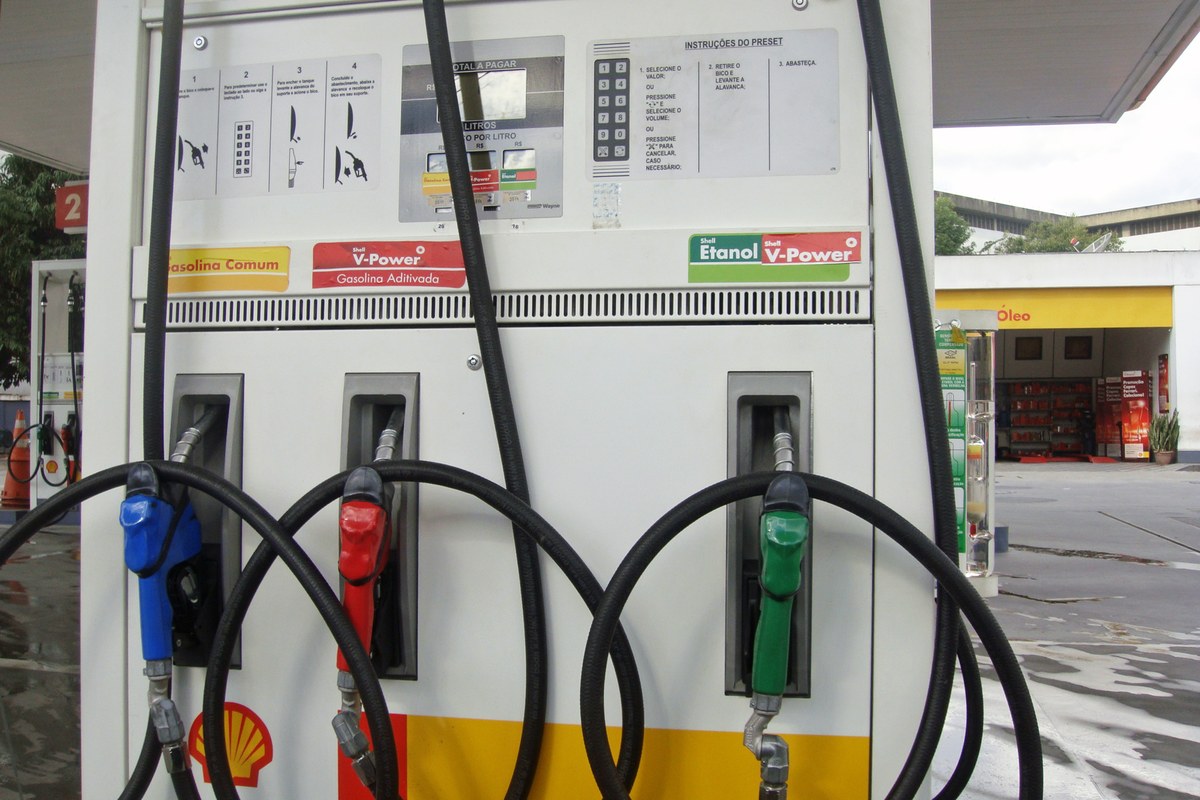
The Ministry of Road Transport and Highways has amended the Central Motor Vehicles Rules, 1989, to recognise E100, fuel made of nearly 100% ethanol, alongside E85 for flex-fuel vehicles. The notification, G.S.R. 911(E), is dated 23 October and was published in the Gazette of India on 26 October. The changes take effect from publication.
What is E100? The number tells you how much ethanol is in the fuel. E20, which is 20% ethanol blended with petrol, is now the nationwide base fuel at petrol pumps. E85 contains up to 85% ethanol. E100 is fuel made of nearly pure ethanol, subject to the applicable fuel specification.
What exactly changed? In Rule 115, which deals with emission standards, references to E85 in several tables have been replaced with “E85 or E100”. The rules now also include an explanatory note saying E85 or E100 shall be used in vehicles designed by manufacturers as flex-fuel vehicles. A separate change in Rule 115E updates the testing annexure for E100 vehicles.
Does this affect my car? No, unless it is a flex-fuel vehicle. “A vehicle’s compatibility with E10 or E20 alone does not establish suitability for E85. This notification does not require owners of existing vehicles to switch to E85 or modify their vehicles either at present or in the future,” the ministry said in a press statement. It advised motorists to check the fuel compatibility sticker on their vehicle and follow the owner’s manual when choosing fuel.
What is a flex-fuel vehicle? It is a vehicle built by the manufacturer to run on petrol, ethanol blends of different strengths, or pure ethanol. When Maruti Suzuki launched its first flex-fuel passenger car in June, it said the car could run on anything from E20 to E100, but it had been certified on E85 because the rules at the time defined flex fuel as E20 to E85. The new rules close that gap.
Is the base fuel at pumps changing? Not for now. In July, the Petroleum Ministry said no decision had been taken to raise the nationwide blending level beyond 20%. Fuel for flex-fuel vehicles is being rolled out separately: E85 went on sale at 48 public sector oil company outlets in June, with plans for 500 outlets by December 2026 and about 5,000 by December 2027.
What else is in the notification? It replaces a B10 biodiesel reference with B100 in one emission table, updates the petrol column to refer to E10 and E20, and raises a gross vehicle weight threshold in one table heading from 3,000 kg to 3,500 kg. The final rules follow a draft published on 27 April 2026, and the ministry said it had considered the objections and suggestions it received.
More to read





Behind the story
Read the sources and explore the context for yourself.
- Gazette of India (via Gazette Tracker): MoRTH notification G.S.R. 911(E), CG-DL-E-26102026-277423 (26 Oct 2026)gazettetracker.com
- The Hindu: Government amends motor vehicle rules to permit pure ethanol for flex-fuel vehicles (26 Oct 2026)thehindu.com
- BusinessLine: Centre includes E100 in emission framework for flex-fuel vehicles (26 Oct 2026)thehindubusinessline.com
- ChiniMandi: India formally amends motor vehicle rules to add E100 alongside E85 for flex fuel vehicles (26 Oct 2026)chinimandi.com