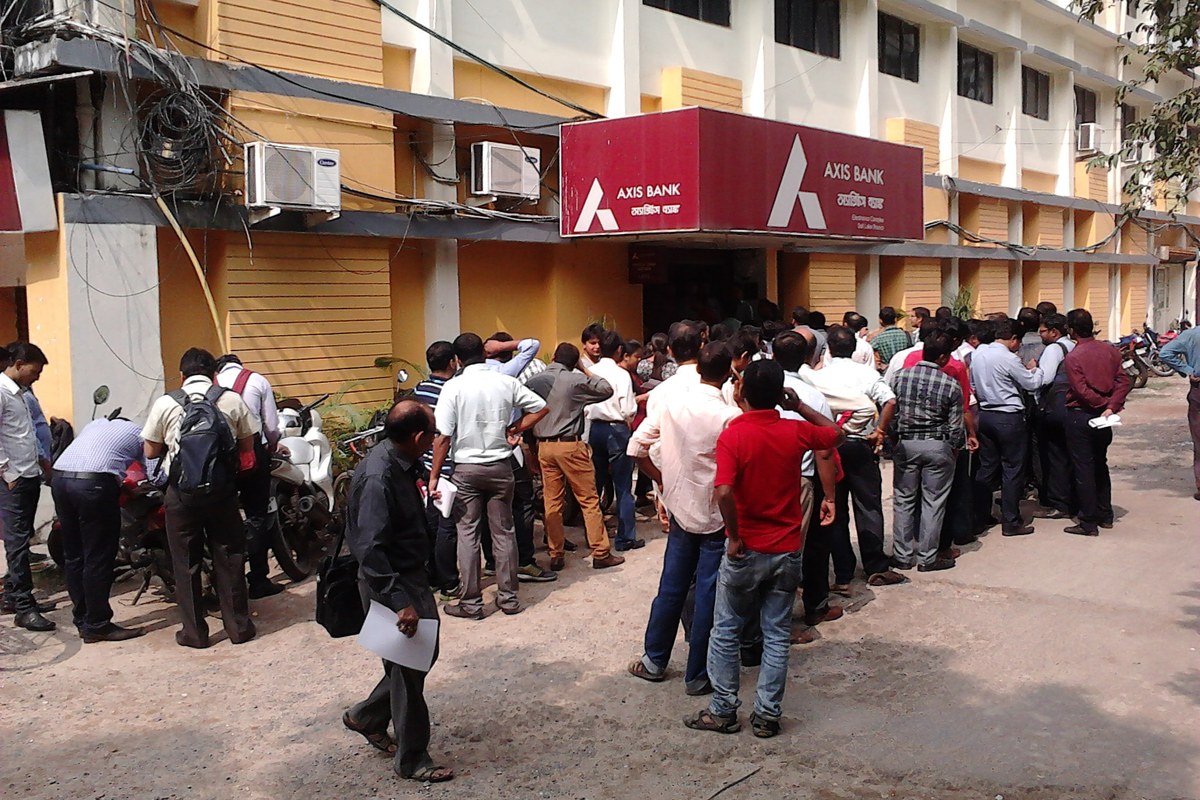
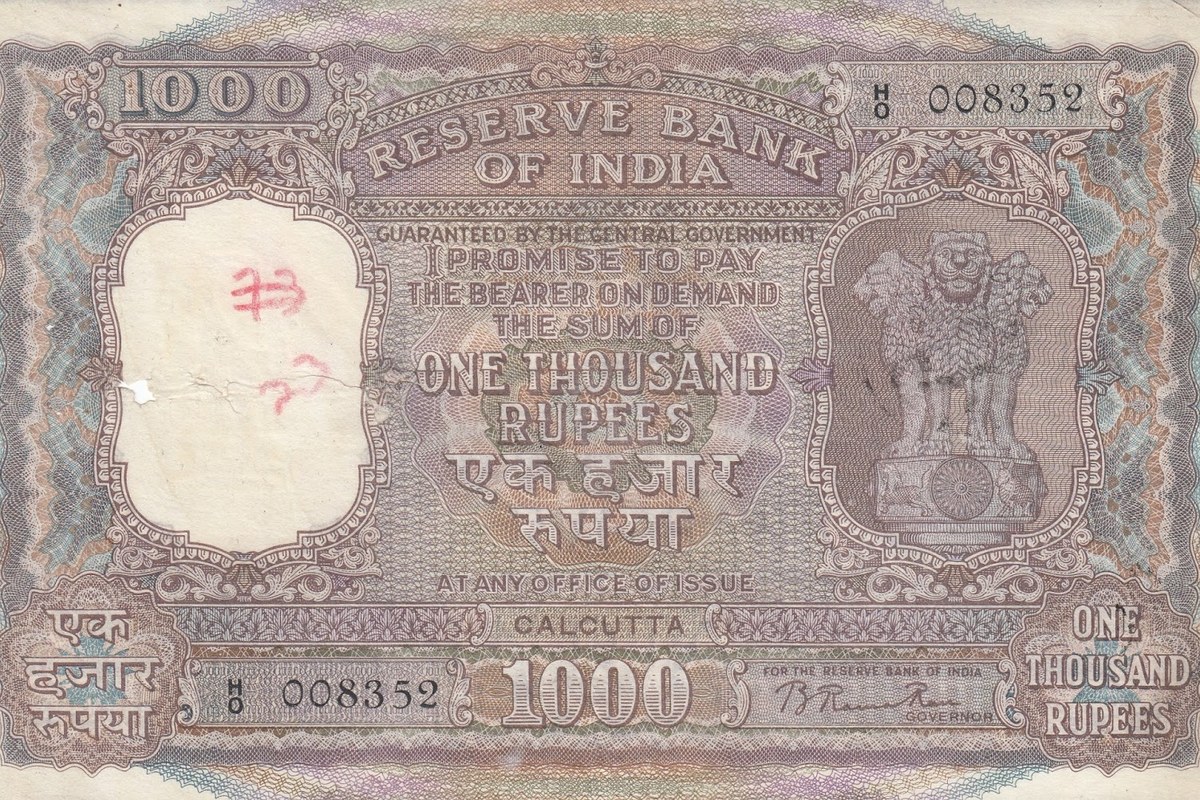
Sunday (8 November) marked ten years since demonetisation, when Prime Minister Narendra Modi announced on the evening of 8 November 2016 that the old ₹500 and ₹1,000 notes would no longer be legal tender. Reserve Bank of India (RBI) data, analysed for the anniversary, show the move had little lasting effect on how much cash India holds, and that detection of fake ₹500 notes has been rising, even as digital payments through UPI have grown many times over.
What was withdrawn in 2016? The ban invalidated 86.9% of the currency in circulation overnight, according to the RBI’s March 2017 assessment. People could deposit the old notes in banks until 30 December 2016. The RBI’s 2017-18 annual report later said ₹15.31 lakh crore of the old notes had come back. Curbing black money and counterfeit currency were among the stated aims.
How much cash is in circulation now? When the ban was announced, currency in circulation stood at ₹17.77 lakh crore, according to finance ministry data. It reached ₹41.68 lakh crore at the end of March 2026 and ₹43.16 lakh crore by 23 October 2026, an increase of nearly 143%, Business Standard reported.
Is India using less cash relative to the size of its economy? Not by this measure. Currency in circulation was equal to 12.1% of GDP in 2015-16, fell to 8.7% in 2016-17 after the ban, and was back at about 12% in 2025-26, close to where it started. The ₹500 note alone made up 85.5% of the value of banknotes at the end of March 2026, the RBI’s latest annual report shows.
What happened to fake notes? Overall, banks detect far fewer counterfeits than in the year of the ban: 2,29,746 fake notes in 2025-26, against 7,62,072 in 2016-17. But fake ₹500 notes have risen for two years in a row, from 85,711 in 2023-24 to 1,17,722 in 2024-25 and 1,41,907 in 2025-26, a 20.5% jump in the latest year. Fake ₹20 notes rose 47.4%, while fakes of most other denominations fell. These figures do not include notes seized by police.
And digital payments? UPI, launched in 2016, handled 17.8 million transactions in 2016-17 and 241.62 billion in 2025-26, according to National Payments Corporation of India data. The value of UPI payments rose from ₹7,000 crore to about ₹314 lakh crore over the same period, and UPI accounted for around 84% of India’s digital payments in 2025-26.
Why have cash and UPI both grown? A 2023 RBI research paper, ‘Cash versus Digital Payment Transactions in India: Decoding the Currency Demand Paradox’, found that people keep holding cash as a precaution and a store of value, even as they use digital channels for everyday payments. In other words, India now pays digitally far more often, but it has not become a cashless economy.
More to read





Behind the story
Read the sources and explore the context for yourself.
- The Hindu: 10 years since demonetisation: Cash usage unchanged, fake notes on the rise (8 Nov 2026)thehindu.com
- Business Standard: Ten years after note ban, how India's cash habit survived the UPI boom (5 Nov 2026)business-standard.com
- Reserve Bank of India: Annual Report 2025-26, Currency Managementrbi.org.in
- NewsPlainly: Demonetisation 10 years: cash up 2.5 times, fake ₹500 count rises (8 Nov 2026)newsplainly.com