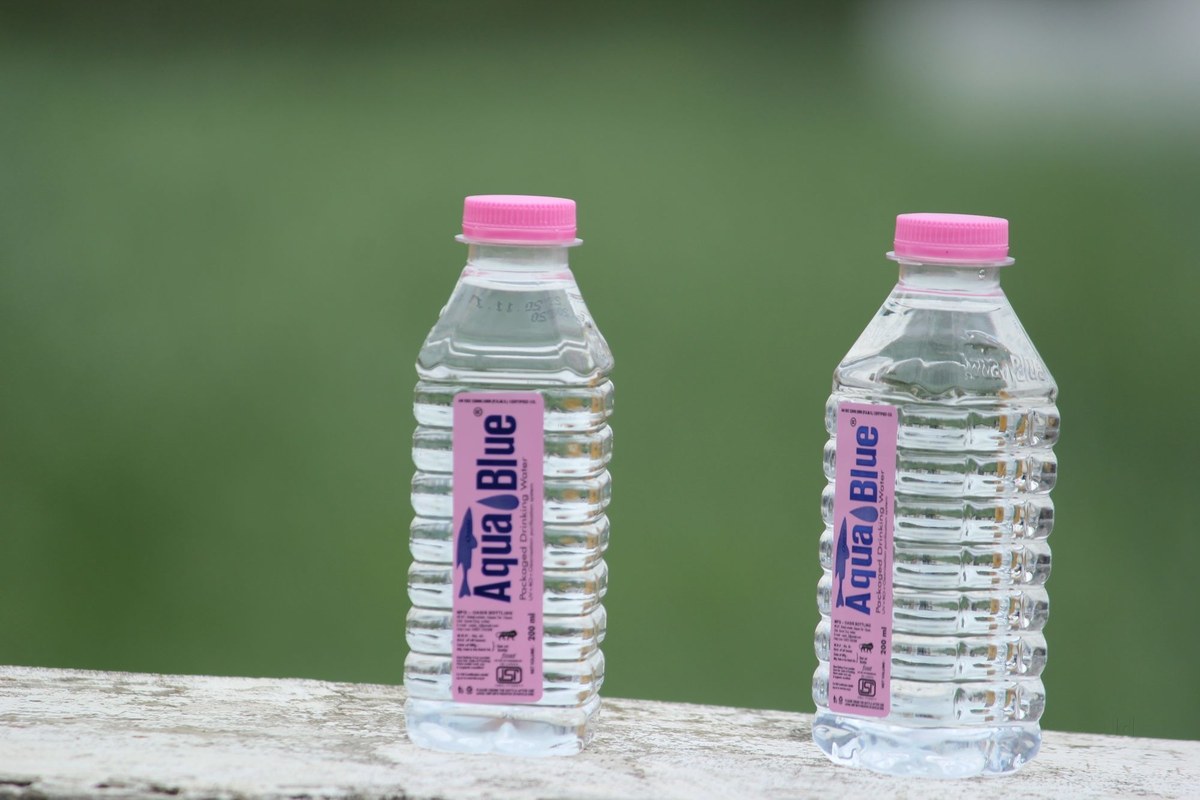
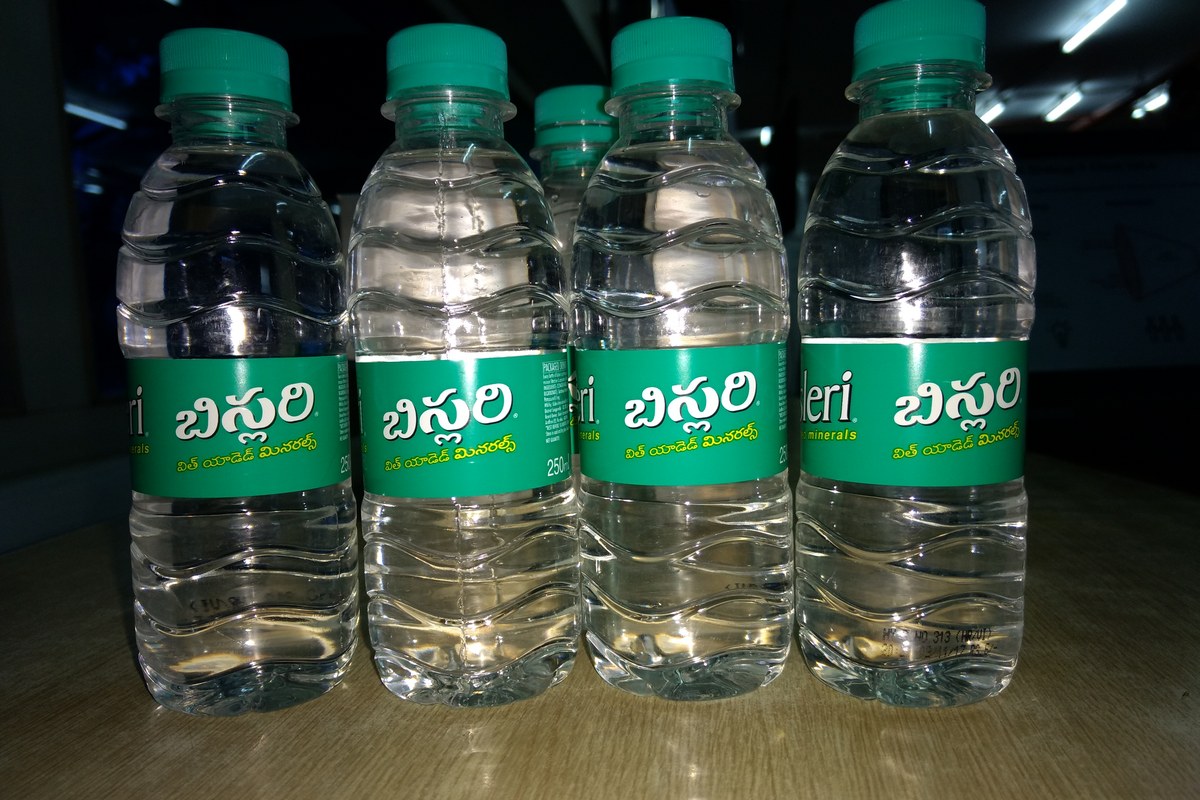
What has happened? On Sunday FSSAI said it has sanctioned prosecution against Bisleri International after a sample of its packaged drinking water was declared unsafe, first for exceeding prescribed bromate limits and then, at a referral laboratory, because polynuclear aromatic hydrocarbons (PAHs) were detected. It is a prosecution sanction, not a conviction, and the company’s response has not been reported. We covered the news separately in our report on the Bisleri prosecution; this piece explains the two substances.
What is bromate, and where does it come from? Bromate is a chemical that is not normally found in water. The World Health Organization says the main source in drinking water is its formation during ozonation, the disinfection method in which ozone is added to water that contains the natural mineral bromide. It can also come from industrial pollution, or from certain chlorine solutions made by electrolysis of bromide-containing salt.
What is the limit? FSSAI’s standard for packaged drinking water, other than natural mineral water, allows a maximum of 0.01 mg of bromate per litre, which is 10 micrograms per litre. WHO’s guideline value is the same 0.01 mg per litre, and WHO calls it provisional because of limits in the available analytical and treatment methods. That is 10 parts per billion.
Why is bromate a worry? The International Agency for Research on Cancer (IARC) classifies bromate in Group 2B, meaning possibly carcinogenic to humans. WHO says that is based on sufficient evidence from high-dose studies in experimental animals but inadequate evidence in humans. A 2B listing is a hazard label, not a measure of risk at any particular level.
What are PAHs? Polynuclear aromatic hydrocarbons are a large family of chemicals made of fused carbon rings. WHO says most enter the environment through the air from burning, such as fires, engines and industry, and they do not dissolve easily in water, so they are not usually found in water in notable amounts. WHO says the main source of PAH contamination in drinking water is usually the coal-tar coating that was used inside some water pipes to stop corrosion. PAHs also form when food is grilled, roasted or fried.
What does the rule say about PAHs? FSSAI’s packaged-water standard lists polynuclear aromatic hydrocarbons as “not detectable”. That is stricter than the health-based figure WHO uses for the best-known PAH, benzo[a]pyrene: 0.7 micrograms per litre. IARC classifies benzo[a]pyrene as carcinogenic to humans (Group 1).
Does “unsafe” mean people were harmed? Not by itself. “Unsafe” is a legal category under the Food Safety and Standards Act, and a sample can be declared unsafe because it breaches a limit. FSSAI’s statement, as reported, does not give the levels found, the batch or the date of the sample, and it does not say anyone fell ill. WHO’s guideline values are set with lifelong consumption in mind, so one reading above a limit cannot be turned into a health outcome for any drinker without those details.
What happens next? The sanction lets FSSAI go to court. Bisleri can contest the case, and a court would have to decide it. Nothing in the statement says that other batches or other brands are affected. This is general information, not medical advice.
More to read

Behind the story
Read the sources and explore the context for yourself.
- The Indian Idiot: FSSAI sanctions prosecution against Bisleri over ‘unsafe’ water sample (22 Nov 2026)theindianidiot.com
- Hindustan Times (PTI): FSSAI sanctions prosecution against Bisleri International, flags ‘unsafe packaged drinking water’ (22 Nov 2026)hindustantimes.com
- The Indian Express: Bisleri faces FSSAI prosecution after packaged water sample found unsafe (22 Nov 2026)indianexpress.com
- The Economic Times: FSSAI sanctions prosecution against Bisleri International over unsafe packaged water (22 Nov 2026)economictimes.indiatimes.com
- FSSAI: Standards for Packaged Drinking Water (other than Packaged Natural Mineral Water), regulation 2.10.8 noticefssai.gov.in
- WHO: Guidelines for drinking-water quality, chemical fact sheet on bromatecdn.who.int
- WHO: Guidelines for drinking-water quality, chemical fact sheet on polynuclear aromatic hydrocarbonswho.int
- IARC Monographs Volume 100F: Chemical Agents and Related Occupations (2012), benzo[a]pyrenepublications.iarc.who.int