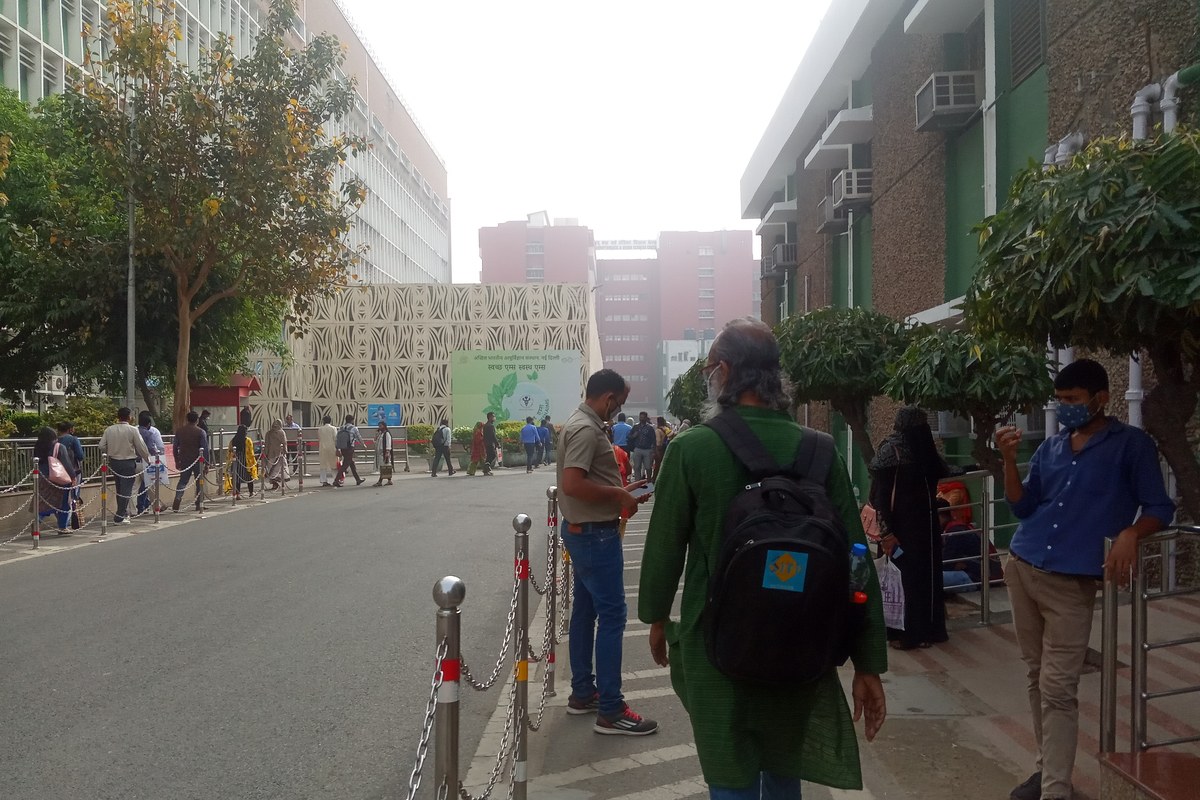
Dr Vijay Hadda, a professor in the Department of Pulmonary Medicine and Sleep Disorders at AIIMS Delhi, has said he is “honestly surprised that we are still alive” given the state of Delhi's air after Diwali. Speaking to ANI on Monday (9 November), he said he does not think “this kind of air is suitable for human survival”. Doctors at AIIMS and Apollo Hospitals say the polluted air is now making even healthy people sick, and not only those with lung or heart disease.
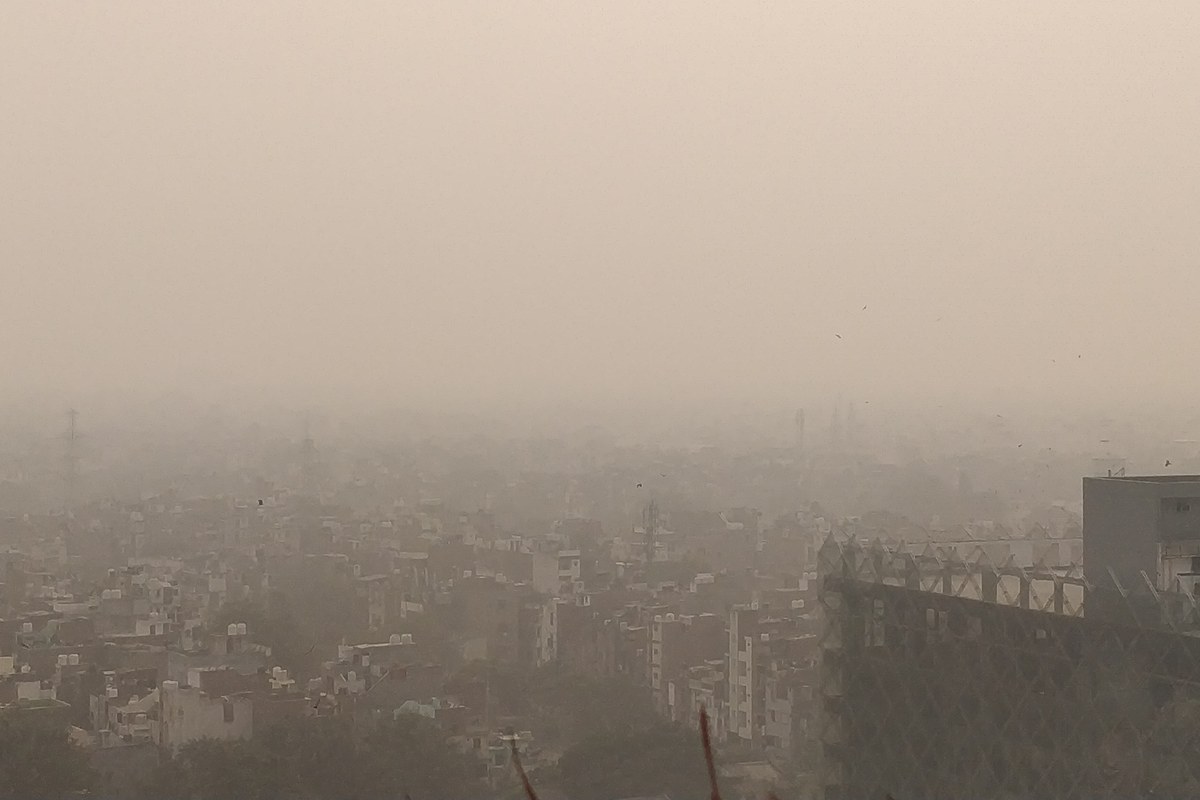
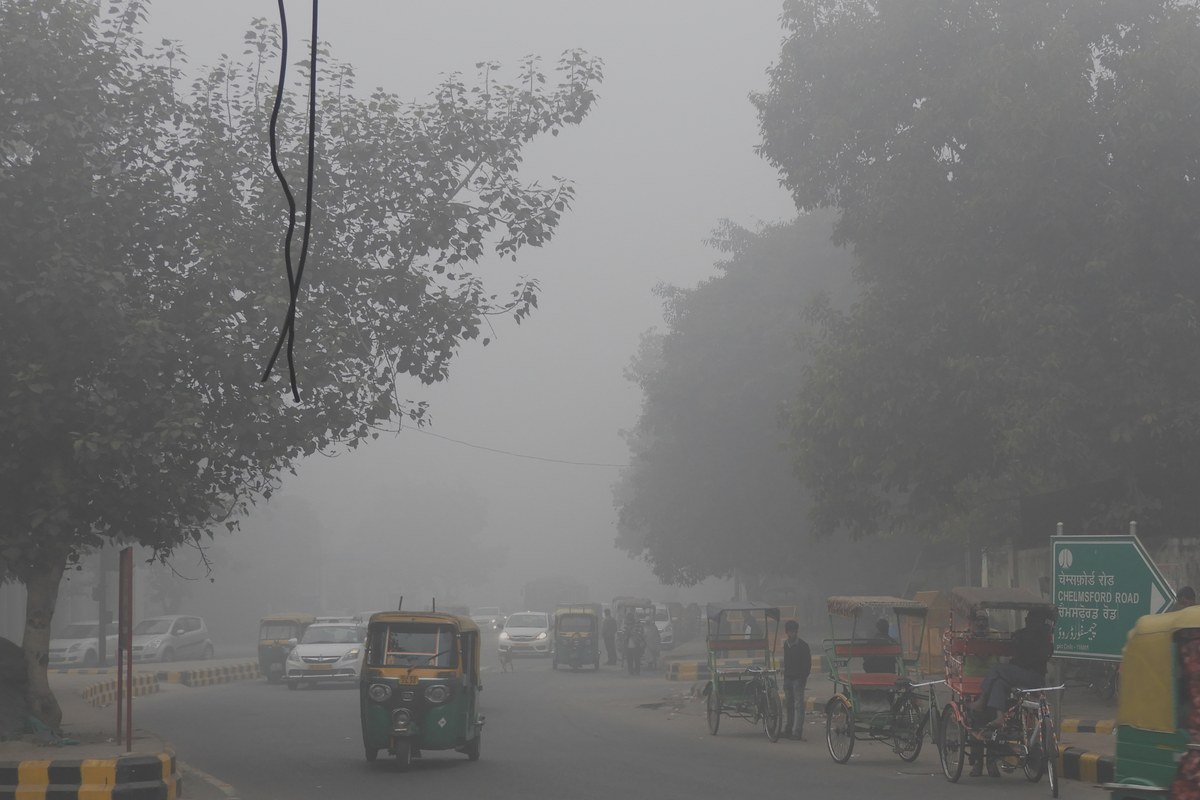
Delhi's air quality index (AQI) was 376 on Diwali, 8 November, and 371 on Monday morning, according to figures cited by Open magazine. It improved on Tuesday, 10 November, with stronger winds helping: the city's average AQI was 299 in the ‘poor’ category, according to the Central Pollution Control Board (CPCB) data reported by The Times of India. Even so, 23 monitoring stations were still in the ‘very poor’ range, with Pusa Road the worst at 385, followed by Chandni Chowk at 381.
Hadda also questioned how much green crackers help. “These green crackers reduce emissions by only 30%,” he told ANI. “As far as the gases and particulate matter are concerned, 70% of the emissions remain the same as those from conventional firecrackers.” He said Delhi's AQI, “which used to be in three digits, has now reached four digits”. That is his description: the CPCB's city-wide figures above peaked at 376, though individual readings can run higher.
“You keep inhaling this poisonous smoke, breathing it in continuously. Every minute, you breathe at least 20 times, taking in at least half a litre of air with each breath. I am honestly surprised that we are still alive,” Hadda said. He added that he was “absolutely certain that as time passes, we will begin to see its effects”.
He said the complaints are coming from people who are otherwise fit. “Many of my colleagues who are otherwise completely healthy have been calling me and saying, ‘I am unable to get rid of this irritation. It feels as though something is stuck in my throat,’” Hadda said. Patients seen in the previous outpatient session had come back again, he said. “This happens every year, but somehow, we all forget. The general public forgets, and even policies remain somewhat in a grey area.”
Dr S Chatterjee, senior consultant in internal medicine at Apollo Hospitals, made the same point about younger people. “Healthy people with no underlying illnesses are complaining of symptoms. Young people in the 20–50 age group are also experiencing these problems, and that is what worries me,” he said. Chatterjee said symptoms can begin within four to six hours of exposure to very severe pollution “but the effects do not stop there”. He warned that the next few days would be important for the health system and advised people to avoid unnecessary trips outside and to skip outdoor exercise while pollution is high.
More to read


Behind the story
Read the sources and explore the context for yourself.
- The Statesman: 'I am surprised we are still alive': AIIMS doctor warns as Delhi's toxic air makes even healthy people sick (10 Nov 2026), quoting ANI's 9 Nov videothestatesman.com
- Open magazine: Delhi post-Diwali, 'I am surprised we are still alive', AIIMS doctor warns of toxic air (10 Nov 2026)openthemagazine.com
- The Times of India: Breaking News Live Updates, 10 November 2026 (Delhi AQI 299, CPCB)timesofindia.indiatimes.com
- Times Now: 'I Am Surprised We Are Still Alive': AIIMS Doctor's Grim Warning As Delhi Chokes On Toxic Airtimesnownews.com