Pasta Salad: The Ultimate Guide To Perfect Summer Meals, Picnics, And Effortless Entertaining
What’s the one dish that effortlessly bridges the gap between a quick weeknight dinner and a star-studded potluck contribution? The answer, more often than not, is a glorious, customizable, and universally loved pasta salad. It’s the culinary chameleon of the picnic table, the backyard barbecue, and the casual weeknight meal. But behind its seemingly simple facade lies a world of technique, tradition, and creativity that can transform a good pasta salad into an unforgettable one. Whether you’re a novice wondering why your salad turns soggy or a seasoned cook looking to master the perfect balance of flavors, this guide will decode every aspect of creating the ultimate pasta salad.
We’ll journey from the ancient origins of pasta itself through the critical decisions that define a salad’s character—from the pasta shape you choose to the dressing that binds it all. You’ll learn the science behind cooking pasta to al dente perfection, discover global variations that will inspire your next creation, and uncover the pro tips to make your pasta salad the talk of any gathering. Get ready to elevate this classic dish from a simple side to a spectacular main event.
A Brief History: From Ancient Grains to Modern Picnic Staple
The story of pasta salad is, in many ways, the story of pasta itself. While the exact origins of pasta are debated—with some tracing it to China and others to ancient Etruscan or Roman civilizations—what is certain is that dried pasta, made from semolina and water, was a durable, transportable food. Its true transformation into a salad component, however, is a more modern, likely American, innovation of the 20th century.
The concept of combining cooked, cooled starches with vegetables, proteins, and a vinegar-based dressing gained massive popularity in the mid-1900s. This was fueled by the availability of commercial pasta, bottled dressings, and the rise of casual, outdoor dining culture. Pasta salad became synonymous with potlucks, church suppers, and family reunions because it was affordable, scalable, and could be made ahead. It represented a shift from the hot, saupled pasta dishes of Italy to a cooler, more versatile American creation. Today, it stands as a global template, adapted with local ingredients and flavors from the Mediterranean pasta salad loaded with olives and feta to the Asian-inspired noodle salad with sesame and ginger.
The Foundation: Choosing and Cooking the Perfect Pasta
The very first, and most critical, decision in making a stellar pasta salad is selecting the right pasta shape. This isn’t just about aesthetics; it’s about functionality. The ideal shape has nooks, crannies, and curves to trap dressing, herbs, and tiny vegetable bits.
The Best Pasta Shapes for Salad
- Short, Twisted, or Curved Shapes: Fusilli, rotini, farfalle (bowtie), and cavatappi are top-tier choices. Their spirals and folds are engineered to hold onto chunky dressings and bits of cheese or veggie.
- Small Tubes: Penne, rigatoni, and ditalini work wonderfully. The hollow center captures dressing, while the ridges (on rigate versions) provide extra grip.
- Small Shells: Conchiglie (shells) are fantastic for catching small ingredients like diced peppers or chickpeas.
- What to Avoid: Long, smooth strands like spaghetti or linguine are problematic. They tend to clump, offer little surface area for dressing, and are difficult to serve neatly from a bowl. If you must use them, consider breaking them into shorter pieces before cooking.
Mastering the "Al Dente" Cook
The cardinal rule for pasta salad pasta is to cook it al dente—firm to the bite. This is non-negotiable. Why? Because the pasta will continue to soften as it sits in the dressing, especially if the salad is made ahead. Overcooked pasta becomes mushy and can’t hold its structure.
- Salt the Water Generously: The water should taste like the sea. This is your only chance to season the pasta itself.
- Follow Package Times, but Start Checking Early: Cook for 1-2 minutes less than the package directs for "al dente."
- Shock in Ice Water: Immediately drain the pasta and plunge it into a large bowl of ice water. This stops the cooking process instantly, cools the pasta for mixing, and rinses away excess surface starch that would make your salad gluey. Drain it very well—a wet pasta will dilute your dressing.
The Soul of the Dish: Crafting the Perfect Dressing
The dressing is the unifying force of a pasta salad, the element that turns a bowl of separate ingredients into a cohesive, flavorful dish. There are two primary camps: vinaigrette-based and mayonnaise-based, each with distinct characteristics.
The Classic Vinaigrette: Bright, Tangy, and Light
A traditional pasta salad vinaigrette is an emulsion of oil and acid (vinegar or citrus), balanced with sweetness, salt, and aromatics. Its high acid content makes it more stable and less prone to spoilage, perfect for outdoor events.
- Basic Ratio: Start with a 3:1 or 2:1 oil-to-acid ratio. Extra virgin olive oil is classic, but for a milder flavor, you can use a blend with a neutral oil like grapeseed.
- Acid Options: Red wine vinegar, white wine vinegar, apple cider vinegar, lemon juice, or a combination. Each imparts a different flavor profile.
- Emulsifiers & Flavor Builders: A teaspoon of Dijon mustard or a dollop of Greek yogurt helps stabilize the emulsion. Minced garlic, shallots, dried herbs (oregano, basil), sugar or honey, salt, and freshly cracked pepper are essential.
- Pro Tip: Whisk your dressing ingredients together in a small bowl before adding them to the pasta. This ensures proper emulsification and even distribution.
The Creamy Mayonnaise Base: Rich, Satisfying, and Classic
This is the style of many traditional American pasta salads, like the kind found at delis or family picnics. It’s rich, coating, and comforting.
- The Base: Use good-quality mayonnaise as your canvas.
- Lightening It: For a less heavy texture, blend mayo with a bit of sour cream, plain yogurt, or even a splash of buttermilk.
- Flavor Infusion: This is where you build depth. Add relish (sweet or dill), mustard, vinegar (a splash is crucial for acidity to cut the richness), finely minced celery and onion, hard-boiled eggs, and a robust seasoning of salt, pepper, and perhaps a pinch of paprika or celery seed.
- Caution: Mayonnaise-based salads are more perishable. Keep them refrigerated until serving and don’t leave them out in the heat for extended periods.
Building Layers of Flavor: Proteins, Veggies, and Cheese
A great pasta salad is all about texture and flavor contrast. The pasta is your canvas; the mix-ins are your paint.
The Vegetable Kingdom (Crunch & Freshness)
- Crunchy: Diced bell peppers (all colors), crisp celery, red onion (soaked in cold water to mellow the bite), cucumber (seeded), snap peas, radishes.
- Soft/Sweet: Sun-dried tomatoes (oil-packed, chopped), roasted red peppers, artichoke hearts, marinated mushrooms, olives (Kalamata or green).
- Fresh & Herby: A heavy hand with fresh herbs is key. Chopped parsley, basil, dill, chives, or mint elevate the dish dramatically. Add them last to keep them bright.
The Protein Powerhouse (Making it a Meal)
- Classic Deli: Diced salami, pepperoni, or ham.
- Seafood: Canned tuna or salmon (drained well), cooked and chilled shrimp, or flaked white fish.
- Plant-Based: Chickpeas, white beans, or lentils add protein and fiber. Tofu, cubed and pan-fried, is a fantastic option that soaks up dressing.
- Cheese: Cubes of mozzarella (bocconcini), crumbled feta or goat cheese, diced cheddar, or shaved Parmesan. Cheese adds saltiness and creaminess.
The "Secret Weapon" Ingredients
These small additions make a huge impact:
- Toasted Nuts or Seeds: Pine nuts, slivered almonds, or sunflower seeds add crucial texture and a nutty flavor. Toast them lightly in a dry pan.
- Briny Elements: Capers, chopped anchovies, or a few chopped cornichons (pickles) add a salty, vinegary punch that brightens the entire dish.
- Fresh Fruit: A surprising but delicious addition. Grapes (halved), diced apple, or even orange segments provide juicy bursts that balance savory elements.
Global Inspirations: Pasta Salad Around the World
While the American pasta salad often leans creamy or vinaigrette-based, the concept of cold pasta dishes is universal. Borrowing from these traditions can inject incredible variety into your repertoire.
The Italian Pasta Fredda or Insalata di Pasta
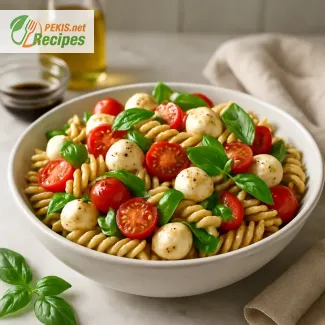
This is less about a heavy dressing and more about showcasing high-quality, simple ingredients. Think pasta tossed with extra virgin olive oil, fresh mozzarella, ripe tomatoes, basil, and maybe a splash of vinegar. It’s elegant, fresh, and lets each ingredient shine. A Mediterranean pasta salad often follows this template, adding cucumbers, Kalamata olives, and red onion.
The Greek Pasta Salata
Hearty and tangy, this version features pasta as a base for classic Greek salad components: feta cheese, Kalamata olives, diced cucumber, tomato, red onion, and a robust red wine vinegar and oregano dressing. Sometimes it includes grilled chicken or shrimp.
The Asian-Inspired Noodle Salad
Here, the "pasta" might be soba noodles, udon, or even rice noodles. The dressing is a dynamic mix of soy sauce, rice vinegar, sesame oil, ginger, garlic, and a touch of honey or sugar. It’s topped with shredded carrots, cucumber, bell pepper, cilantro, and often crushed peanuts or sesame seeds. This style is light, refreshing, and packed with umami.
The German Nudelsalat
A staple at barbecues and beer gardens, this is typically a mayonnaise-based pasta salad featuring elbow macaroni, diced ham, pickles, and hard-boiled eggs. It’s hearty, creamy, and deeply comforting.
The Make-Ahead Magic: Why Pasta Salad is the Ultimate Prep-Ahead Dish
One of the greatest strengths of a well-constructed pasta salad is its ability to improve with time. The flavors meld, the dressing infuses the pasta and vegetables, and it becomes even more delicious after a few hours in the fridge. However, there’s a right way and a wrong way to do it.
The Golden Rule for Make-Ahead Success: Combine the pasta and the dressing first, then refrigerate. The pasta acts like a sponge, absorbing the flavorful liquid. After it has chilled for at least 2-4 hours (or overnight), then add the delicate ingredients: fresh herbs, crisp vegetables (like raw bell peppers or cucumber), and any protein that might become soggy (like crispy bacon or fried tofu). This prevents them from becoming limp and losing their texture. Store the finished salad in an airtight container. A mayonnaise-based salad will last 3-4 days in the refrigerator; a vinaigrette-based one can often last 5 days.
Serving and Presentation: From Picnic Basket to Party Platter
How you serve your pasta salad can be as important as how you make it.
- For a Picnic or Potluck: Use a large, lidded serving dish or a sturdy plastic container. Pack a large serving spoon. If it’s a hot day, consider packing the salad in a cooler with ice packs until serving time.
- As a Side Dish: Serve it in a simple bowl alongside grilled meats, fried chicken, or barbecue.
- As a Main Course: Make it hearty! Load up on protein (chicken, chickpeas, beans), cheese, and vegetables. Serve it with a side of crusty bread and a simple green salad.
- Garnish Generously: A final sprinkle of fresh herbs, a drizzle of high-quality olive oil, or a few grinds of black pepper just before serving adds a professional touch and a burst of fresh flavor.
Common Pasta Salad Mistakes (And How to Avoid Them)
Even experienced cooks can fall into these traps. Here’s how to sidestep them:
- Using Overcooked Pasta: This is the #1 mistake. Always cook al dente and shock in ice water.
- Dressing a Warm Salad: Never toss warm pasta with dressing. It will absorb too much, become soggy, and the dressing can separate. Ensure everything is completely cool.
- Adding All Ingredients at Once: As mentioned in the make-ahead section, add delicate veggies and herbs last to maintain crunch and color.
- Underseasoning:Pasta salad needs bold seasoning. The pasta itself should be salted, and the dressing must be well-seasoned with salt and pepper. Taste and adjust before combining.
- Using Low-Quality Ingredients: Since the dish is a combination of simple elements, the quality of each one shines. Use good olive oil, fresh herbs, and ripe vegetables. It makes a world of difference.
- Not Balancing Flavors: A great pasta salad has a balance of fat (oil, mayo, cheese), acid (vinegar, lemon), salt (cheese, olives, seasoning), sweetness (honey, sun-dried tomatoes, grapes), and bitterness (red onion, arugula). Taste and adjust.
Conclusion: Your Canvas Awaits
The beauty of pasta salad lies in its infinite adaptability. It is not a rigid recipe but a flexible framework—a delicious equation of pasta + dressing + mix-ins + seasoning. Armed with the knowledge of how to cook the perfect pasta, emulsify a stable dressing, layer textures and flavors, and prep it like a pro, you are no longer just making a side dish. You are crafting a personalized culinary experience.
So the next time you’re asked to bring a dish to a gathering, or you’re staring into your fridge on a busy weeknight, remember the power of the pasta salad. Start with a great al dente pasta, choose a dressing that suits your mood (bright vinaigrette or creamy mayo), raid your pantry and fridge for mix-ins, and don’t be afraid to get creative. From a classic Italian pasta fredda to a bold Asian noodle salad, your perfect version is waiting to be made. Now, go forth and toss!