The Ultimate Guide To Perfect Garlic Butter Steak: A Restaurant-Quality Meal At Home
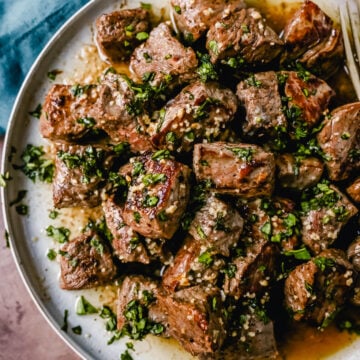
What if the secret to a jaw-dropping, restaurant-worthy steak dinner wasn't locked in a chef's vault but was actually a simple, elegant technique you could master in your own kitchen? For decades, garlic butter steak has reigned as a beloved classic, a dish that promises rich, savory indulgence with every single bite. It’s the ultimate comfort food that feels like a special occasion, transforming an ordinary weeknight into a celebration. But achieving that perfect balance—a steak with a deep, caramelized crust, a tender, pink interior, and a glossy, aromatic garlic butter sauce that pools beautifully on the plate—requires more than just slapping butter on cooked meat. It’s a symphony of technique, timing, and ingredient quality. This comprehensive guide will dismantle the mystery and equip you with the knowledge, confidence, and actionable steps to create the best garlic butter steak you’ve ever tasted, every single time. We’ll journey from selecting the ideal cut through the precise art of the pan-sear to the final, glorious pour of that golden sauce.
Why Garlic Butter Steak is a Culinary Classic That Never Fails
The magic of garlic butter steak lies in its beautiful paradox: it is both profoundly simple and infinitely sophisticated. At its heart, it’s just beef, garlic, butter, and herbs. Yet, when executed with care, these few ingredients create a flavor profile that is deeply satisfying and universally adored. The garlic butter sauce does more than just add richness; it acts as a conduit for flavor, carrying the pungent, sweet aroma of garlic and the fresh notes of herbs directly onto the succulent surface of the steak. This dish has endured because it delivers maximum impact with minimal fuss, making it accessible to home cooks while still impressing dinner guests. It’s a one-pan wonder that feels like a luxury. In a world of complicated recipes, the reliable, mouth-watering appeal of a perfectly cooked steak bathed in garlic butter is a timeless treasure. It’s the dish you make when you want to treat yourself, when you need a guaranteed crowd-pleaser, or when you simply crave the most elemental and delicious combination of fat, salt, and umami.
Choosing the Perfect Cut: The Foundation of Your Garlic Butter Steak
Best Cuts for Garlic Butter Steak: Marbling is Key
The journey to an unforgettable garlic butter steak begins long before the garlic hits the pan—it starts at the butcher counter. The cut you choose is the single most important factor in determining your final result. For this preparation, you want a steak with ample marbling, the fine streaks of intramuscular fat that melt during cooking, basting the meat from within and delivering unparalleled juiciness and flavor. The top contenders are:
- Ribeye: The undisputed king for many. Its generous, even marbling and rich, beefy flavor make it incredibly forgiving and decadent. A bone-in ribeye (also called a cowboy steak) adds even more flavor.
- New York Strip: A close second, offering a tighter texture than a ribeye with a pronounced, meaty flavor and a nice fat cap on one side that renders down beautifully.
- Filet Mignon: The choice for supreme tenderness. It has less marbling than the other two, so its flavor is more subtle. Its lean nature means it benefits immensely from the richness of the garlic butter sauce.
- Sirloin (Top Sirloin): A more budget-friendly option that can still yield excellent results if cooked properly to medium-rare to avoid toughness.
Understanding Thickness and Grade: Why It Matters
Aim for steaks that are at least 1.5 inches thick. Thicker steaks allow for a better sear on the exterior without overcooking the precious interior, giving you a more uniform doneness from edge to center. When shopping, look for USDA Prime or USDA Choice grades. Prime has the highest degree of marbling and is typically found in high-end restaurants and specialty markets. Choice is excellent and widely available, offering a great balance of quality and price. Avoid "Select" grade for this dish, as its leanness can lead to a drier steak. If possible, purchase your steaks from a local butcher who can advise on the best cuts available that day and may even dry-age them for concentrated flavor.
Essential Seasoning and Preparation: Setting the Stage for Flavor
The Salt-and-Pepper Foundation: Don't Skip the Basics
Before any garlic or butter enters the picture, you must season the steak itself. The simplest, most effective seasoning is a generous coating of coarse kosher salt and freshly ground black pepper. Kosher salt's large flakes adhere well to the meat's surface and season without overly curing it. Freshly ground pepper provides a vibrant, sharp aroma that pre-ground pepper lacks. Apply the seasoning liberally on all sides. This isn't just about taste; salt draws out surface moisture, which is crucial for achieving that coveted maillard reaction—the chemical process responsible for the complex, savory, browned crust. For optimal results, dry-brine your steaks. This means seasoning them with salt (and optionally a touch of sugar) at least 40 minutes, or ideally 2-24 hours, before cooking and leaving them uncovered on a rack in the refrigerator. This allows the salt to penetrate deeply while the air-dried surface guarantees a superior sear.
The Importance of Temperature: Room Temperature is Non-Negotiable
A cold steak placed in a hot pan will cook unevenly. The center will remain cool while the exterior is already overdone. Always remove your steaks from the refrigerator at least 30-60 minutes before cooking to allow them to come to room temperature (around 70°F or 21°C). This simple step ensures more consistent cooking from edge to center. While your steak is coming to temperature, this is the perfect time to prep all your other ingredients for the garlic butter sauce: mince the garlic, chop the herbs (thyme, rosemary, and parsley are classics), and measure out your butter. Having everything ready—mise en place—is critical because once the steak starts cooking, the process moves quickly.
Mastering the Cooking Technique: The Path to the Perfect Sear
Pan-Searing: Your Most Reliable Method for Garlic Butter Steak
While grilling is an option, pan-searing in a heavy-bottomed pan (like cast iron or stainless steel) is the most controllable and reliable method for achieving a perfect crust and conveniently finishing with the garlic butter sauce in the same pan. The key is high, sustained heat. Heat your empty pan over medium-high to high heat for several minutes until it's smoking hot. You should see a wisp of smoke, not a raging fire. Add a high-smoke-point oil like avocado oil, grapeseed oil, or refined safflower oil—just enough to coat the pan. The oil should shimmer and possibly smoke slightly before the steak hits it. Place the steak in the pan away from you to avoid oil splatter. Do not move it for at least 2-3 minutes. This allows a deep, brown crust to form. Flip only once, using tongs (never a fork, which pierces the meat and releases juices). For a 1.5-inch steak, a total cook time of about 3-4 minutes per side for medium-rare is a good starting point, but a meat thermometer is your ultimate guide.
Temperature Guide for Doneness: Trust the Thermometer, Not Guesswork
Visual cues can be misleading. The only surefire way to cook your garlic butter steak to your exact preference is to use an instant-read meat thermometer. Insert it into the thickest part of the steak, avoiding bone or fat. Here is your roadmap:
- Rare: 120-125°F (49-52°C) – Very cool, bright red center.
- Medium-Rare: 130-135°F (54-57°C) – Warm, red center; ideal for maximum tenderness and flavor.
- Medium: 140-145°F (60-63°C) – Warm, pink center.
- Medium-Well: 150-155°F (66-68°C) – Slightly pink center.
- Well-Done: 160°F+ (71°C+) – Little to no pink, firm texture.
Crucially, remember carryover cooking. The internal temperature will rise by 5-10°F as the steak rests. Therefore, you should pull your steak from the pan 5 degrees below your target temperature. For medium-rare, pull it at 125-130°F.
The Art of the Garlic Butter Sauce: The Crowning Glory
Building Layers of Flavor: The Aromatic Base
Once your steak is cooked to your liking, remove it from the pan and let it rest on a warm plate or cutting board, tented loosely with foil. This non-negotiable 5-10 minute rest allows the muscle fibers to relax and reabsorb their juices. Do not skip this! While the steak rests, it's time to build the garlic butter sauce in the same pan (don't wash it—those browned bits are flavor gold). Reduce the heat to medium-low. Add a tablespoon of the same oil you used for searing, if the pan is dry. Then, add your aromatics. This typically starts with minced garlic (2-4 cloves, to taste). Cook it gently for about 30 seconds until fragrant—do not let it brown or burn, or it will turn bitter. Immediately after the garlic, add a few sprigs of fresh herbs like thyme and rosemary. Let them sizzle for another 10 seconds to release their oils.
Technique: Emulsifying the Butter for a Silky, Glossy Finish
Now, for the main event: the butter. Add 3-4 tablespoons of cold, unsalted butter, cut into small pieces, to the pan. Swirl the pan gently or use a spoon to continuously stir and incorporate the melting butter. As the butter melts, it will emulsify with the pan juices, garlic, and herbs, creating a glossy, cohesive sauce. The cold butter helps prevent the sauce from separating. Once all the butter is melted and the sauce is bubbling gently, season it with a pinch of salt and a squeeze of fresh lemon juice (about 1 teaspoon) to brighten the richness. Finally, stir in a tablespoon of minced fresh parsley for color and freshness. Your garlic butter sauce is now ready. Pour it generously over the rested steak, making sure to scrape up any delicious browned bits from the pan.
Serving and Pairing: Completing the Experience
Classic and Creative Side Dish Pairings
A stellar garlic butter steak can stand on its own, but thoughtful sides elevate the entire meal. For a classic steakhouse feel, you can't go wrong with:
- Garlic Herb Roasted Potatoes: Crispy on the outside, fluffy within.
- Creamy Mashed Potatoes: The ultimate vehicle for soaking up that glorious butter sauce.
- Sautéed Asparagus or Green Beans Almondine: A fresh, green, crisp-tender counterpoint.
- Simple Arugula Salad: With a light lemon vinaigrette to cut through the richness.
- Crusty Bread: Essential for mopping every last drop of sauce from the plate.
Wine and Beverage Pairings to Elevate the Meal
The rich, fatty, and savory profile of a garlic butter steak calls for beverages that can stand up to its intensity. For wine, think full-bodied reds:
- Cabernet Sauvignon: Its tannins and dark fruit flavors complement the beef's richness.
- Malbec: Offers a plush, fruit-forward character with a smoky note.
- Syrah/Shiraz: Peppery and robust, a great match for the garlic and herbs.
If you prefer white wine, choose an oaked Chardonnay with enough body and a buttery note to mirror the sauce. For non-alcoholic options, a ginger beer with a spicy kick or a bold, unsweetened iced tea can work beautifully.
Common Mistakes to Avoid: Ensuring Steak Success Every Time
Overcooking: The #1 Sin
This is the most frequent and tragic error. Because the steak continues to cook after leaving the pan, pulling it at the "right" visual moment will almost always lead to an overcooked steak. Always use a meat thermometer. Invest in a good one; it's the best $20 you'll spend on cooking. Also, remember that thinner steaks cook much faster and are less forgiving than thick-cut ones.
Burning the Garlic Butter Sauce
Garlic burns incredibly quickly, especially over high heat. The moment garlic turns from golden to dark brown, it becomes acrid and bitter. The solution is low heat for the sauce stage. After removing the steak, drop the pan's heat to medium-low or low. Add the garlic only after the pan has cooled slightly from searing, and stir it constantly for just 30 seconds before adding the butter. If you're nervous, you can even sauté the garlic separately in a small saucepan and add it to the pan with the butter.
Skipping the Rest and Not Slicing Against the Grain
As emphasized, cutting into a steak immediately causes all its precious juices to run out onto the cutting board, not into your mouth. Resting is mandatory. Additionally, always slice your steak against the grain. The "grain" refers to the direction of the muscle fibers. Slicing perpendicular to these fibers shortens them, making each piece dramatically more tender and easier to chew. This is especially important for cuts like flank or skirt, but it's a best practice for all steaks.
Creative Variations: Beyond the Classic Recipe
Herb-Infused and Compound Butters
While the pan sauce method is classic, you can pre-make a compound butter for an even more controlled flavor profile. Soften high-quality unsalted butter and mix in minced garlic, herbs, lemon zest, and a pinch of salt. Roll it into a log in parchment paper and chill. After the steak rests, place a thick slice of this garlic herb butter on top and let it melt. This method allows for more complex additions like blue cheese, sun-dried tomatoes, or smoked paprika.
Global Twists on Garlic Butter Steak
The garlic butter foundation is a springboard for world flavors:
- Chimichurri Butter: Mix chopped parsley, oregano, garlic, red wine vinegar, and olive oil into softened butter for a vibrant, Argentinean-inspired topping.
- Wasabi Butter: Add a teaspoon of prepared wasabi and a splash of soy sauce to butter for a pungent, Japanese-inspired kick that pairs wonderfully with beef.
- Lemon-Dill Butter: Use lemon zest and plenty of fresh dill for a bright, Nordic take that's perfect with salmon but delightful on steak too.
- Spicy Chipotle Butter: Blend in minced chipotle in adobo sauce and a touch of honey for a smoky, sweet heat.
Conclusion: Your Steak, Your Masterpiece
Mastering the perfect garlic butter steak is not about secret ingredients; it's about respecting the process. It’s about choosing a well-marbled cut, seasoning it with confidence, achieving a formidable sear through proper pan heat, cooking to the exact temperature you desire with a thermometer, and finishing with a silky, garlicky butter sauce built in the same pan. It’s about the sacred rest and the mindful slice against the grain. By internalizing these fundamental techniques—the dry brine, the high-heat sear, the carryover cooking principle, and the emulsified butter sauce—you unlock a culinary superpower. You gain the ability to transform a simple piece of meat into a moment of pure, unadulterated pleasure. So, the next time you crave that rich, garlicky, buttery perfection, remember: the power is in your hands, your pan, and your patience. Now, go forth, sear that steak, baste it in glory, and prepare for the compliments to roll in. Your ultimate garlic butter steak adventure starts tonight.