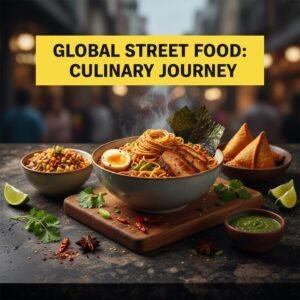
Global Street Food Recipes: A Culinary Journey Through The World's Most Iconic Street Eats
Have you ever stood on a bustling sidewalk, the air thick with sizzling spices and the promise of an unforgettable meal, and wondered what it would be like to taste the soul of a nation in a single, handheld bite? Global street food recipes are more than just quick snacks; they are edible history books, vibrant cultural ambassadors, and the ultimate testament to the power of simple, brilliant cooking. They represent the democratization of cuisine, where generations of wisdom are served on a paper plate, often for just a few coins. This isn't just about eating; it's about exploring the world through its most authentic and accessible flavors. From the smoky grilled meats of Argentine parrillas to the delicate balance of sweet and savory in Indonesian martabak, these dishes connect us to places and people in the most direct way possible. In this comprehensive guide, we’ll embark on a flavorful tour across continents, uncovering the stories, safety secrets, and simple techniques that allow you to recreate these legendary eats in your own kitchen.
The Soul of a Culture on a Plate: Why Street Food Matters
To understand global street food recipes is to understand a culture's heartbeat. Street food is the cuisine of the people, born from necessity, ingenuity, and a deep love for flavor. It reflects local agriculture, historical trade routes, and the daily rhythms of life. In Bangkok, the clatter of woks at dawn signals the start of pad thai; in Mexico City, the call of "¡Órale!" heralds the arrival of freshly pressed tortillas. These dishes are rarely invented by celebrity chefs in sterile test kitchens. Instead, they evolve organically—a grandmother's recipe adapted for a cart, a colonial ingredient fused with a native staple, a farmer's surplus transformed into a crispy, golden delight. This culinary anthropology is what makes street food so compelling. It’s a raw, unfiltered expression of identity. When you bite into a Vietnamese bánh mì, you’re tasting the legacy of French baguettes meeting Vietnamese pâté and coriander. When you savor a Turkish dürüm, you’re experiencing centuries of Ottoman spice trade history wrapped in flatbread. This is food with a story, and the story is often as delicious as the dish itself.
The Economic and Social Engine of Street Food
Beyond its cultural weight, street food is a massive global economic force. It provides livelihoods for millions, particularly women and immigrants, with low barriers to entry. The street food industry is estimated to be worth hundreds of billions of dollars globally, serving an estimated 2.5 billion people daily. It creates vibrant social hubs—the warungs of Indonesia, the churrasqueras of Uruguay, the dhabas of India—where strangers become friends over shared tables. In many cities, these informal food scenes are the primary source of affordable, nutritious meals for working-class populations. They also drive tourism; people often plan entire trips around iconic street food destinations like Singapore's hawker centres, Mexico's mercados, or Istanbul's spice bazaars. This economic and social ecosystem is fragile, however, facing pressures from regulation, gentrification, and corporate competition, making the preservation of authentic street food culture a vital cause.
Iconic Bites from Every Corner of the Globe
Let's embark on a continent-by-continent tour of the world's most beloved street food stars. Each entry is a gateway to a region's palate.
Asia: A Symphony of Balance and Boldness
Asian street food is a masterclass in contrast—sweet, sour, salty, spicy, and umami dancing in perfect harmony.
Thailand: Pad Thai and Som Tum
No list is complete without pad thai. This stir-fried noodle dish, with its tamarind tang, shrimp or tofu, and crushed peanuts, is Thailand's global ambassador. Its beauty lies in the balance. Then there's som tum (green papaya salad), a explosive mix of lime, chili, fish sauce, and palm sugar, pounded in a mortar. The key to both is the wok hei—that elusive, smoky "breath of the wok" achieved over intense heat. To recreate it at home, get your pan smoking hot before adding ingredients.
Vietnam: Bánh Mì and Phở
The bánh mì is the ultimate fusion sandwich. A crisp French baguette, introduced during colonial times, is layered with Vietnamese pâté, pickled daikon and carrots, cilantro, cucumber, and often grilled pork or pâté. It’s a textural and flavor explosion. While phở is often a sit-down meal, street vendors serve incredible, fragrant bowls that define the national soul. The magic is in the broth—simmered for hours with star anise, cinnamon, and charred ginger and onions.
Japan: Takoyaki and Yakitori
From Osaka, takoyaki are iconic ball-shaped snacks made from a wheat batter filled with diced octopus, tempura scraps, and pickled ginger, cooked in a special molded pan. They're drenched in savory-sweet takoyaki sauce and mayonnaise, then sprinkled with seaweed and bonito flakes. Yakitori, grilled chicken skewers, are a staple of yatai (food stalls). The secret is tare, a sweet-savory glaze brushed on during grilling. The focus is on pristine ingredients and precise charcoal grilling.
The Americas: A Tapestry of Indigenous and Immigrant Flavors
The Americas offer a dynamic range, from ancient Mesoamerican corn-based foods to modern fusion creations.
Mexico: Tacos and Elote
The humble taco is arguably the world's most perfect street food. A warm corn tortilla (masa harina is non-negotiable for authenticity) cradles a filling—al pastor (spit-grilled pork with pineapple), carnitas (braised pork), or barbacoa (steamed lamb). The essential trio: onion, cilantro, and salsa. Elote (Mexican street corn) is grilled, slathered in mayo, cotija cheese, chili powder, and lime. It’s a revelation. The core principle is fresh masa; if you can, buy fresh corn dough or learn to make tortillas from scratch.
USA: Hot Dogs and Food Trucks
The American hot dog is a canvas for regional pride. In Chicago, it’s an all-beef dog on a poppy seed bun, loaded with neon green relish, onions, tomatoes, sport peppers, pickle spears, and mustard—no ketchup. In New York, it’s a simple, saucy affair. The modern food truck phenomenon, born in LA with Korean-Mexican fusion like the Kogi BBQ truck's kimchi quesadillas, represents America's innovative, multicultural street food evolution.
Argentina: Choripán
The choripán is the unofficial national sandwich. A grilled chorizo sausage (often split open) is nestled in a crusty baguette or pan criollo and topped with chimichurri—a vibrant, herbaceous sauce of parsley, oregano, garlic, vinegar, and oil. It’s the fuel of asados (barbecues) and football matches. The key is a good quality, fatty chorizo and a robust, acidic chimichurri to cut through the richness.
Europe, Africa, and the Middle East: Ancient Roads and Modern Stalls
Turkey: Dürüm and Simit
Dürüm (or döner kebab) is the iconic vertical rotisserie meat, shaved thin and wrapped in thin, crispy yufka (flatbread) with tomato, lettuce, onion, and garlic yogurt or acılı ezme (spicy tomato dip). The technique is everything—the constant rotation and basting with fat. Simit, the sesame-crusted bread ring, is a ubiquitous breakfast or snack, often served with Turkish tea or pekmez (grape molasses).
Morocco: Msemen and Maakouda
Msemen are flaky, layered flatbreads, similar to a cross between a pancake and pastry, often served with honey or stuffed with meat. Maakouda are deep-fried potato cakes, seasoned with cumin, garlic, and parsley, sold in paper cones. They represent the street food of preservation and comfort, using simple, shelf-stable ingredients transformed through technique.
India: Chaat and Vada Pav
Indian street food is a universe of textures and chaat (snacks). Pani puri (or golgappa) are hollow, crispy spheres filled with spiced potato and a tangy, flavored water—an explosive mouthful. Vada pav, Mumbai's burger, is a fried potato dumpling (vada) in a bun (pav) with chutneys. The complexity comes from the chutneys: a green coriander-chili and a sweet-sour tamarind. Safety note: In India, always opt for bottled water and stalls where food is cooked fresh in front of you.
The Golden Rules: Navigating Street Food Safety with Confidence
The thrill of street food comes with a responsibility to your stomach. Food safety is paramount, but it shouldn't induce fear. The goal is to enjoy the adventure wisely. The single best indicator of a safe stall is a high turnover. A long, local line means food moves quickly, minimizing time in the "danger zone" (40°F–140°F). Look for vendors who handle money and food separately (using tongs, not bare hands for ready-to-eat items). Observe general cleanliness—does the vendor have clean water for washing? Are raw and cooked foods kept apart? Trust your senses: does the food look fresh, smell appetizing, and is it served piping hot? In many developing countries, "peel it, cook it, boil it, or forget it" is a wise mantra for produce. Cooked-to-order is your safest bet. Avoid raw salads, unpeeled fruit, and dairy-based sauces unless you're in a highly regulated environment. Remember, your immune system adapts. Start with milder options and gradually build tolerance. The vast majority of legendary street food experiences are perfectly safe and form wonderful memories.
Bringing the World to Your Kitchen: Mastering Global Street Food Recipes at Home
You don't need a plane ticket to savor these flavors. The beauty of global street food recipes is their adaptability to a home kitchen. The challenge isn't complexity—many are simple—but in capturing the essence of the cooking method and the quality of ingredients.
The Holy Trinity of Authenticity: Technique, Ingredient, and Spirit
First, master the technique. The wok hei of Thai stir-fry requires maximum heat. The perfect tortilla needs a hot, dry comal. The fluffy interior of a good takoyaki depends on a specific, pre-heated mold. Research the traditional method. Second, source key ingredients. Tamarind paste, fish sauce, gochujang, specific chili powders, fresh masa harina—these are non-negotiable for authenticity. Asian grocery stores, online retailers, and even some mainstream supermarkets now carry these essentials. Third, and most importantly, capture the spirit. Street food is casual, fresh, and often eaten immediately. Serve your creations simply, on paper towels or banana leaves if you're feeling fancy, with the classic accompaniments. Don't overcomplicate. The magic is in the combination of a few high-quality elements executed well.
Three Starter Recipes for the Home Adventurer
- Quick & Authentic-Style Tacos al Pastor (Inspired): Marinate thin pork slices in achiote paste, pineapple juice, vinegar, and spices. Grill or pan-fry until charred. Serve on warm corn tortillas (heated on a dry skillet) with finely diced onion, cilantro, and a squeeze of lime. The pineapple in the marinade tenderizes and adds a subtle sweetness.
- Simplified Vietnamese Bánh Mì: Use a good-quality baguette or crusty roll. Spread with pâté and mayonnaise. Layer with thinly sliced cucumber, pickled carrots and daikon (quick-pickle in rice vinegar, sugar, salt), fresh cilantro, and sliced jalapeño. Add grilled pork or even leftover roasted chicken.
- Classic Chaat-Style Chickpea Salad (Chana Chaat): Toss canned chickpeas (rinsed) with finely chopped onion, tomato, cucumber, and cilantro. Dress with lemon juice, chaat masala (or a mix of amchur powder, cumin, and black salt), and a touch of honey or jaggery. Top with crunchy seviyan (noodles) or crushed papadum for texture.
The Evolution of Flavor: Fusion and the Future of Street Food
Global street food recipes are not frozen in time. They are living, breathing entities constantly being reinvented. The most exciting trend is fusion street food, where chefs blend techniques and ingredients from disparate cultures to create something entirely new. Think Korean BBQ tacos, Japanese ramen burgers, or Indian-inspired pizza. This isn't cultural appropriation when done with respect and understanding; it's the natural evolution of food, mirroring the movement of people. Social media platforms like Instagram and TikTok have accelerated this, turning regional specialties into global phenomena overnight (remember the dalgona coffee craze?). We're also seeing a rise in gourmet street food, where high-end chefs apply fine-dining techniques to casual formats, using premium ingredients like Wagyu beef in a slider or truffle oil on fries. The future points toward more plant-based street food (vegan satay, jackfruit tacos) and a stronger emphasis on sustainability in packaging and sourcing.
The Price of Pleasure: Street Food as an Affordable Gourmet Experience
One of the most democratic aspects of global street food is its affordability. For a few dollars, you can experience a complexity of flavor that would cost $50+ in a sit-down restaurant. This is because street food operates on a different economic model: minimal overhead, high volume, and a focus on a few dishes done exceptionally well. It’s the great equalizer of the culinary world. A construction worker, a student, and a tourist can all enjoy the same legendary bowl of laksa in Penang or poutine in Montreal. This affordability also encourages exploration—you can try multiple dishes without financial risk, building a meal from a mosaic of flavors. It’s a reminder that incredible food doesn't require white tablecloths; it requires passion, skill, and a hungry crowd.
The Double-Edged Sword: Social Media's Impact on Street Food
Social media has been a boon and a challenge for global street food. On one hand, it has launched obscure stalls to fame, created worldwide cravings for specific dishes (like the egg waffle or bubble tea), and provided a visual archive of culinary traditions. Food bloggers and influencers act as modern-day travel guides, documenting the "must-eat" items. On the other hand, it can lead to overcrowding, price hikes, and the commercialization of once-humble stalls. The pressure to be "Instagrammable" can sometimes prioritize appearance over taste. The most successful vendors adapt—maintaining quality while managing the crowds. For the traveler, this means going beyond the viral spot and seeking out the local, un-hyped gem where the food is made for the community, not the camera.
Sustainability on the Street: A Greener Future for Food Carts
The traditional street food model is inherently low-waste—no disposable menus, minimal packaging. However, the rise of single-use plastics for utensils and containers has created an environmental crisis in many cities, clogging waterways and landfills. The good news is a powerful sustainability movement is bubbling up within the street food scene. Vendors are switching to biodegradable containers made from banana leaves, paper, or bagasse (sugarcane pulp). There's a push for reusable cup and container systems. Locally sourcing ingredients reduces carbon footprints and supports farmers. Some cities are introducing dish-return schemes for food courts. As consumers, we can support this shift by bringing our own containers when possible, choosing stalls with eco-friendly packaging, and patronizing vendors who prioritize local, seasonal produce. The future of street food must be delicious and responsible.
Celebrating Diversity: The Global Festival of Street Food
Street food festivals have become major cultural events, gathering dozens of vendors in one place to showcase a city's or the world's culinary diversity. Events like the World Street Food Congress in Singapore, Taste of Chicago, or London's Street Food Union are pilgrimage sites for food lovers. They serve multiple purposes: they give small vendors a platform to reach massive audiences, they foster cultural exchange, and they often include competitions and workshops that elevate the craft. For the home cook, these festivals are invaluable sources of inspiration and direct education—you can taste, ask questions, and learn techniques firsthand. They prove that street food is not a lesser cuisine but a vibrant, dynamic force that deserves celebration and preservation.
From Cart to Counter: Pro Tips for Home Cooks
Ready to translate your street food dreams into reality? Here are actionable tips to bridge the gap:
- Invest in One Key Tool: A carbon steel wok, a comal (griddle), a tortilla press, or a takoyaki pan. Mastering one tool for one cuisine is better than having mediocre equipment for many.
- Embrace the Prep (Mise en Place): Street food is fast because everything is prepped. Chop all vegetables, measure sauces, and have ingredients within arm's reach before you start cooking. This mimics the high-heat, fast-paced environment.
- Master the Sauce: The sauce is often the soul. Learn to make a great chimichurri, tamarind dressing, chili crisp, or raita. A good sauce can elevate even a simple protein or vegetable.
- Don't Fear the Fry: Many iconic street foods are fried (samosas, akara, churros). Use a deep, heavy pot, monitor oil temperature with a thermometer (350°F–375°F is the sweet spot), and never overcrowd the pan.
- Seek Out Authentic Communities: Find local restaurants or markets run by people from the culture you're cooking. Ask questions. They are often thrilled to share tips on ingredients and techniques. This builds respect and understanding beyond the recipe.
Conclusion: Your Passport to Flavor is Ready
Global street food recipes offer so much more than a meal. They are an invitation to explore, to connect, and to understand the world one bite at a time. They teach us that profound flavor often comes from humble beginnings, that community is built around shared plates, and that the best stories are sometimes told in sizzle and steam. Whether you're navigating a night market in Taipei, mastering the art of the perfect taco at home, or simply dreaming of your next culinary adventure, remember this: the spirit of street food is resilience, creativity, and joy. It’s the food of the people, by the people, for everyone. So grab your apron, seek out an authentic ingredient or two, and fire up that stove. Your global culinary journey starts now, and the world’s most delicious streets are just a recipe away.